Nanomedicine: A Review of Drug Delivery in Cancer Treatment
Introduction to Nanomedicine
A recent review highlights the utilization of nanoparticles in delivering drugs to combat cancer, examining both their potential benefits and inherent challenges. One significant obstacle in cancer treatment is the effective delivery of drugs to tumor sites while minimizing side effects.
Current Cancer Treatment Approaches
The predominant method for treating cancer is chemotherapy, which involves administering chemical compounds directly into the bloodstream. These compounds target solid tumors and circulating cancer cells. Although chemotherapy can be effective, it often results in a range of side effects and may also damage healthy tissues.
Advancements in Drug Delivery Strategies
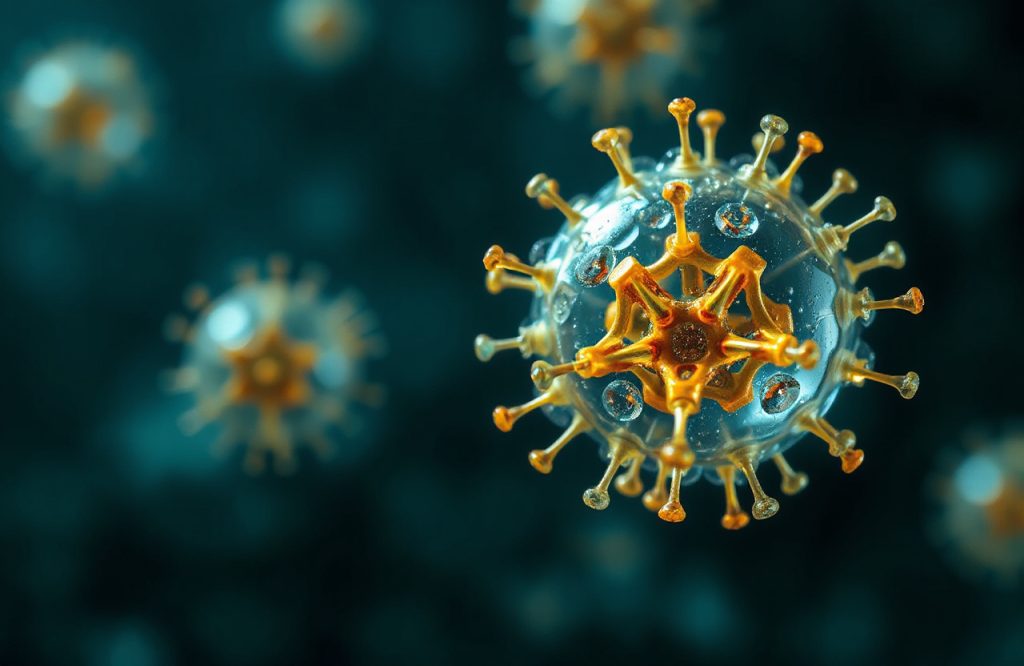
In recent years, researchers have been exploring innovative strategies for drug delivery to tumor sites. One notable approach leverages nanotechnology, which involves manipulating tiny synthetic particles known as nanoparticles.
Understanding Nanotechnology
Nanotechnology deals with particles at the nanoscale. To put this into perspective, the average thickness of a human hair is approximately 100 micrometers, which translates to 100,000 nanometers. By attaching drug molecules to these nanoparticles, scientists have initiated the field of nanomedicine, paving the way for a revolutionary drug delivery method in cancer treatment.
Potential and Limitations of Nanomedicine
Nanomedicine presents the opportunity to fight cancer while reducing side effects. Several nanoparticle-based drugs have received approval from the Food and Drug Administration (FDA). While these drugs show promise in reducing side effects, they have not yet demonstrated sufficient therapeutic efficacy when used independently due to various factors influencing nanoparticle penetration into tumors.
Challenges in Nanoparticle Penetration
A recent review published in WIREs Nanomedicine and Nanobiotechnology by researchers at Sun Yat-Sen University in China outlines key challenges in the application of nanomedicine for cancer treatment and proposes potential solutions. The authors categorize the factors affecting nanoparticle penetration into tumors into two main groups: the tumor microenvironment and nanoparticle properties.
The Tumor Microenvironment
Several characteristics of the tumor microenvironment complicate the ability of nanoparticles to penetrate effectively. Tumor cells are surrounded by irregularly organized blood vessels, which paradoxically both facilitate and hinder nanoparticle accumulation. While the leaky nature of these vessels allows nanoparticles to gather near tumors, it also results in inadequate fluid drainage from the tumor’s center, increasing its viscosity and impeding nanoparticle diffusion. Additionally, interstitial fluid pressure at the tumor periphery creates a force that pushes fluid away from blood vessels. Furthermore, nanoparticles encounter the extracellular matrix, a network of proteins that serves as a significant physical barrier to drug delivery.
Key Properties of Nanoparticles
Research in nanomedicine has identified that specific properties of nanoparticles significantly influence their effectiveness as drug delivery vehicles. Size is particularly important; studies suggest that nanoparticles measuring between 20 and 50 nanometers are most effective. Larger particles tend to diffuse poorly, while smaller particles are rapidly cleared from the body before reaching their target. The shape and charge of nanoparticles have also been analyzed, although results regarding their impact on performance remain inconclusive, necessitating further research.
Strategies for Enhancing Tumor Penetration
The authors of the review propose several strategies to improve nanoparticle penetration in solid tumors. The most promising methods involve harnessing natural biological stimuli, such as enzymatic reactions and local pH levels, to modify nanoparticle properties within the body. One potential approach involves synthesizing nanoparticles that can switch sizes, allowing them to remain in circulation longer before being broken down into smaller components upon reaching the tumor. This could be achieved through enzymes that cleave nanoparticles or by utilizing the acidic environment surrounding tumors. Additionally, modifying nanoparticles to carry enzymes may help degrade the extracellular matrix prior to delivery.
Future Challenges in Nanomedicine
Despite the promise of nanomedicine, several significant challenges remain. The balance between blood retention and tumor penetration complicates the design of effective nanoparticles. Current delivery methods rely on passive diffusion; however, more targeted and innovative strategies are needed for optimal nanoparticle design. While degrading the extracellular matrix may enhance penetration, it could also release mobile tumor cells, potentially promoting metastasis.
Conclusion
Although substantial work is still required, the future of medicine is likely to be significantly influenced by advancements in nanotechnology.
References
Zhang, Ya-Ru, et al. “Strategies to improve tumor penetration of nanomedicines through nanoparticle design.” Wiley Interdisciplinary Reviews: Nanomedicine and Nanobiotechnology (2018): e1519.
Related Topics
– Nanoparticle Technology as a New Pain Management Solution
– Advancements in Cancer Treatment Using Light Therapy
– The Role of Nanomaterials in Modern Medicine