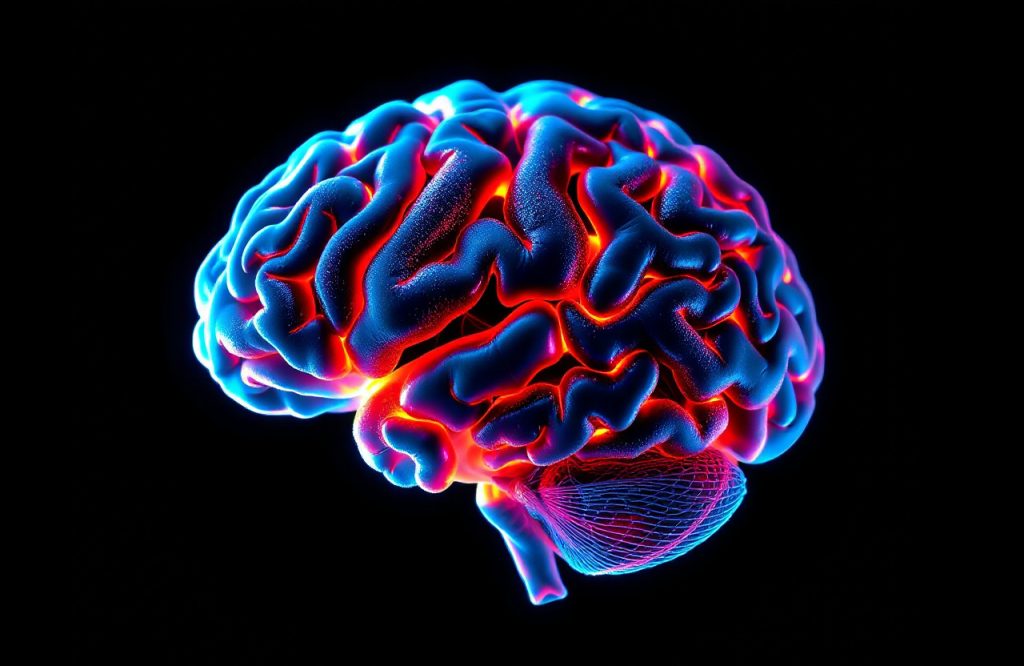
Introduction to Deep Brain Stimulation
Applications of DBS
Deep brain stimulation (DBS) is a treatment option for several intractable neurological disorders, including Parkinson’s disease, Tourette’s syndrome, and obsessive-compulsive disorder. Additionally, it has been explored in experimental trials for conditions such as major depression and stroke recovery. Despite its wide applicability, DBS can be invasive and costly, which may restrict its accessibility for certain patient populations.
Innovative Advances in DBS Techniques
A recent article published in *Cell* highlights a novel approach that has the potential to revolutionize the application of DBS. Various implementation methods exist, each presenting a unique set of advantages and disadvantages.
Methods of DBS Implementation
Surgical Electrode Placement
One approach involves surgically guiding an electrode into the specific area of the brain requiring stimulation. This method allows for precise targeting of specific neuronal cells.
Transcortical Stimulation
An alternative, less invasive technique positions the electrode at a more superficial site, resulting in transcortical stimulation. This method influences a broader range of non-target cells, which can lead to undesirable effects in certain situations. Consequently, there is often a trade-off between the invasiveness of the procedure and the accuracy of stimulation, which can significantly impact patient recovery and quality of life.
Temporal Interference: A New Method
Understanding Temporal Interference
Researchers have developed a technique known as temporal interference (TI) utilizing a mouse model and principles of physics. Previous studies indicated that certain neurons respond to specific electric stimulation frequencies, while others fall outside the responsive range.
When two electromagnetic fields with slightly different frequencies overlap, they create a third electromagnetic field with a lower frequency termed envelope modulation. This modulation frequency, dictated by the original frequencies, is capable of stimulating neurons. For example, while frequencies of 2 kHz and 2.01 kHz do not stimulate neurons, their interference produces an envelope modulation frequency of 0.01 kHz or 10 Hz.
Initial Testing and Findings
Researchers first applied this method to the mouse somatosensory and motor cortices, which are located close to the skull. By recording the activity of target neurons and analyzing biomarkers from nearby cells, they confirmed that TI effectively delivered stimulation to target cells while sparing surrounding non-target cells. Notably, there were no long-term effects observed on nearby non-target cells.
Exploring Deeper Brain Areas
Given that many neurological conditions, such as Parkinson’s disease, affect deeper brain regions, the research team investigated whether envelope modulation could be applied to the mouse hippocampus. By adjusting the electrode positions, they were able to manipulate the location, frequency, and amplitude of the envelope modulation. Remarkably, they found that altering the frequency and amplitude while keeping the electrodes stationary could shift the envelope modulation stimulation’s location, which is significantly less invasive than physically moving the electrodes.
Future Research Directions
Although further research is necessary to validate these findings and determine their applicability to the human brain, this breakthrough represents an exciting advancement in the evolution of DBS as a therapeutic option for various neurological disorders.
Conclusion
The development of temporal interference as a method for deep brain stimulation holds promise for enhancing treatment efficacy while reducing invasiveness. As research progresses, it may pave the way for more accessible and effective therapies for patients suffering from neurological illnesses.
Written By: Clifton Lewis