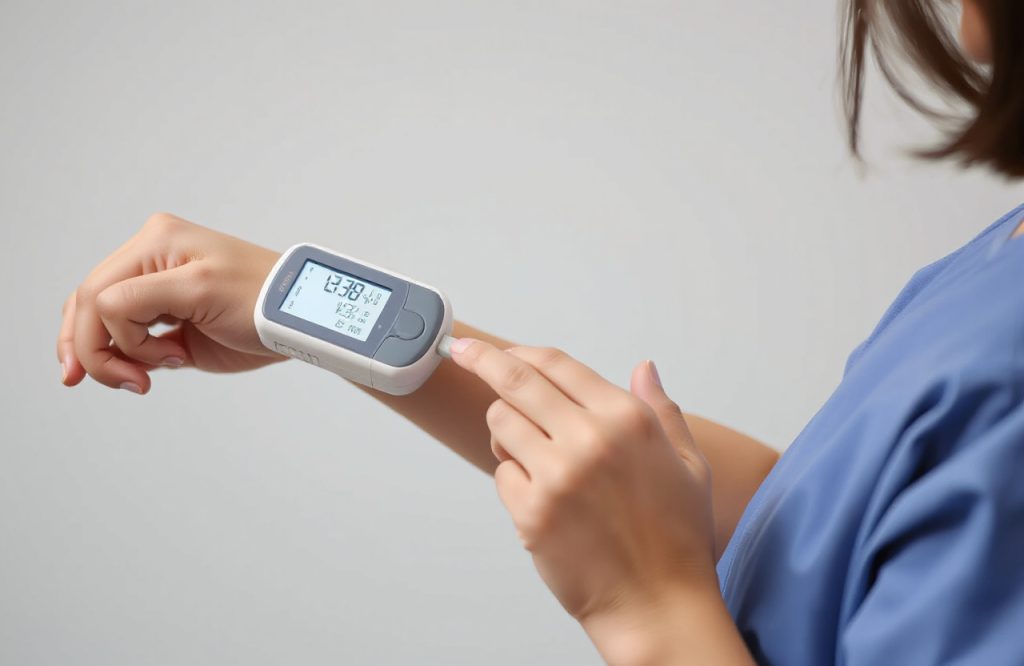
Understanding Type I Diabetes in Canada
Prevalence and Definition
Type I diabetes is a chronic condition affecting over 300,000 Canadians. It occurs when the pancreas fails to produce insulin, a hormone essential for regulating the storage and release of glucose in the bloodstream, which cells utilize for energy production.
Consequences of Untreated Type I Diabetes
Without appropriate treatment, Type I diabetes can lead to severe complications, including hyperglycemia, characterized by dangerously high blood sugar levels, and diabetic ketoacidosis, a condition where the body begins to burn fatty acids instead of glucose, resulting in harmful metabolic byproducts.
Advancements in Monitoring and Treatment
Fortunately, modern monitoring and treatment options significantly enhance the management of Type I diabetes. The outcomes largely depend on how effectively patients manage their condition.
Traditional Monitoring Methods
Historically, glucose levels have been monitored using external glucose meters that require a small blood sample. This method provides patients with an overview of their glucose levels at various times throughout the day.
Continuous Glucose Monitoring Technology
Recent advancements have introduced continuous glucose monitoring (CGM), which allows for more frequent tracking of blood sugar levels, typically every 5 to 10 minutes. This technology utilizes a small sensor implanted under the skin that relays glucose data to a compatible device, such as a smartphone. Alarms alert patients to dangerously high or low glucose levels, facilitating timely interventions.
Insulin Delivery Methods
For many individuals with Type I diabetes, multiple daily injections (MDI) of insulin are a routine part of life. Alternatively, continuous subcutaneous insulin infusion (CSII), commonly referred to as insulin pump therapy, offers a more sophisticated approach. Insulin pumps deliver precise doses of insulin throughout the day, responding to fluctuations in blood sugar levels, thus improving glycemic control.
Research on Insulin Delivery Methods
Study Overview
Medical researchers are keen to understand how different monitoring and treatment techniques influence glucose management in patients. Previous studies have compared MDI with CSII among adults without CGM and examined the benefits of CGM for those already using CSII. However, the current study uniquely evaluates the outcomes of insulin pump usage in patients who are already utilizing CGM.
Study Design and Methodology
Conducted in collaboration with multiple centers across the United States, this study was published in the Lancet Diabetes and Endocrinology in July. Researchers selected participants from a clinical trial involving adult Type I diabetes patients using MDI with CGM. They randomly assigned half of the participants to continue with MDI, while the other half transitioned to insulin pump therapy (CSII). Both groups received the necessary technology and training, with follow-up assessments at 6, 14, and 28 weeks to collect data.
Primary Outcomes and Results
The primary outcome measured was the change in CGM-monitored blood glucose levels within the range of 70-180 mg/dL from baseline. Results indicated that the insulin pump group experienced an increase of 78 minutes per day in this target range, while the injection group showed a decrease of 17 minutes. These findings were consistent across all follow-up assessments, suggesting that transitioning to an insulin pump enhances glycemic control.
Observations on Hypoglycemia
While the insulin pump group demonstrated improved control over average glucose levels and a lower incidence of hyperglycemia, an increase in hypoglycemic episodes was noted compared to the injection group. Researchers postulated that this may be attributed to potential over-administration of insulin due to improper use of the pump, reflecting the tighter glucose control achieved with this technology.
Limitations of the Study
As with all clinical trials, the results are influenced by the characteristics of the study population. The focus on adults with Type I diabetes already using CGM means these findings may not be applicable to all individuals with diabetes, including those under 18 or those starting monitoring and treatment simultaneously.
Conclusion
In conclusion, the research indicates that switching from insulin injections to an insulin pump can significantly enhance glycemic control for adults with Type I diabetes who are utilizing CGM. Patients considering this transition should be aware that proper training and device usage are crucial to minimize the risk of complications such as hypoglycemia.
Reference
Effect of initiating use of an insulin pump in adults with type 1 diabetes using multiple daily insulin injections and continuous glucose monitoring (DIAMOND): a multicenter, randomized controlled trial. Lancet Diabetes Endocrinology. Published online July 12, 2017. http://dx.doi.org/10/1016/s2213-8587(17)30335-8