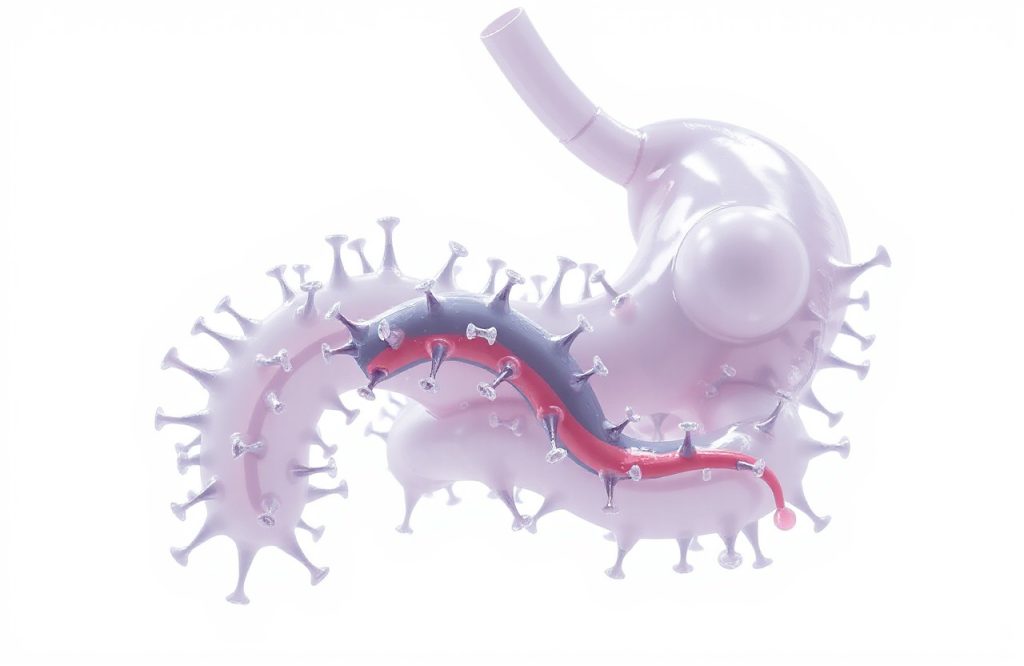
Insights on Fecal Microbiota Transplants as Treatment Interventions
Introduction to Fecal Microbiota Transplants
The use of fecal microbiota transplants (FMT) as a treatment option is gaining attention in the medical community. Recent articles published in *Cell Host and Microbiome* highlight the potential for FMT to address inflammatory bowel diseases such as ulcerative colitis and Crohn’s disease, as well as infections like C. difficile.
Understanding the FMT Approach
FMT operates on a straightforward premise: it aims to introduce beneficial gut bacteria into individuals experiencing gastrointestinal issues. This transfer of “good” bacteria is intended to restore the balance of the digestive system. In cases of C. difficile, patients who did not respond to conventional treatments have experienced positive outcomes following FMT, prompting further exploration of this method for other gastrointestinal disorders.
Barriers to Widespread Adoption of FMT
Despite its potential, the Food and Drug Administration (FDA) is taking a cautious stance on the broader implementation of FMT. Additional research, particularly involving human clinical trials, is necessary before it can become a mainstream treatment option.
Risks Associated with FMT
The gut contains a complex ecosystem of live bacteria, and introducing new bacteria without a thorough understanding of possible reactions can lead to adverse effects. Notably, in 2019, two immunocompromised patients died due to E. coli infections linked to FMT. Ongoing research into gut-bacteria interactions is essential to minimize these risks, alongside ensuring that the transplanted material is free from contaminants.
Sources of Fecal Microbiota Transplants
FMT can be sourced from various locations:
– **Self-donation**: Individuals can bank their own stool, which can be screened for harmful bacteria. However, long-term storage may become costly and impractical.
– **Family donors**: Close relatives may provide FMT, but this does not guarantee the presence of the same bacteria needed for effective treatment.
– **Stool banks**: These repositories offer screened FMT samples ready for transplantation. However, the variability among samples can complicate the search for the most effective option for each patient.
Challenges in FMT Implementation
A significant challenge in the field of FMT is the development of effective screening methods to ensure that the material is free from pathogens. The FDA is advocating for stricter protocols in this area. Additionally, the preservation of certain bacteria, which thrive in anaerobic environments, presents a logistical hurdle that researchers must address.
The Potential Impact of FMT in Medicine
If FMT can be successfully integrated into clinical practice, it has the potential to transform treatment outcomes for patients suffering from difficult-to-treat gastrointestinal diseases.
Conclusion
In summary, fecal microbiota transplants are emerging as a promising therapeutic option, but further research and regulatory oversight are necessary to ensure safety and efficacy.
References
– EurekAlert!. (2020). What would it take to make FMT mainstream? Two publications consider the opportunities. [online] Available at: https://www.eurekalert.org/pub_releases/2020-02/cp-wwi021220.php [Accessed 20 Feb. 2020].
– Markey, K., van den Brink, M. and Peled, J. (2020). Therapeutics Targeting the Gut Microbiome: Rigorous Pipelines for Drug Development. *Cell Host & Microbe*, 27(2), pp.169-172.
– Carlson, P. (2020). Regulatory Considerations for Fecal Microbiota Transplantation Products. *Cell Host & Microbe*, 27(2), pp.173-175.