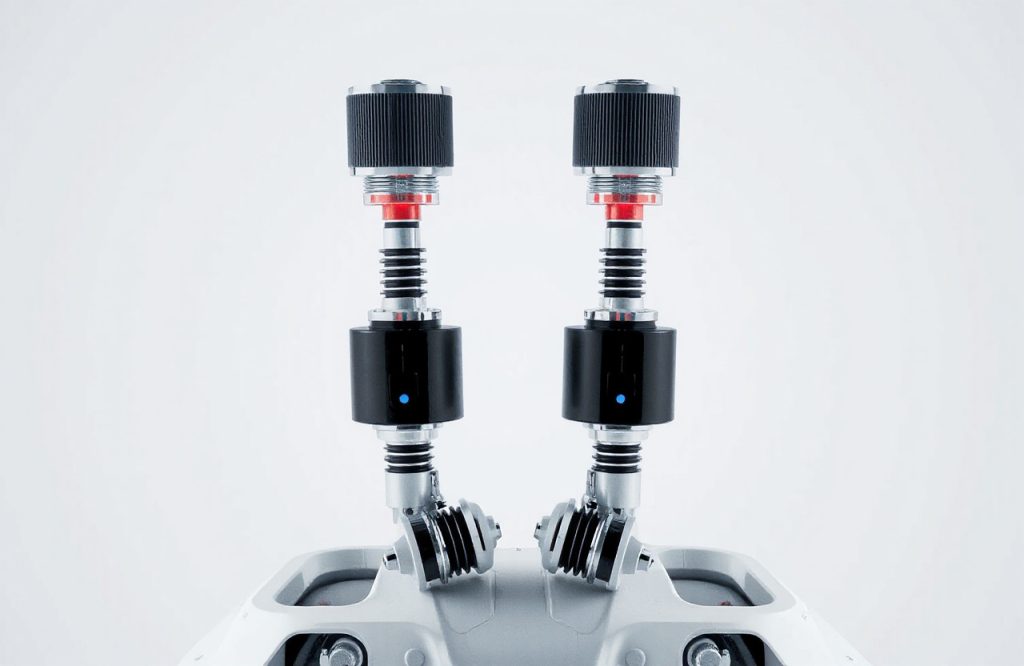
Robotic Implants: A Breakthrough in Tissue Regeneration
Introduction to Robotic Implants
Robotic implants represent a significant technological advancement that could offer a safe and reliable approach to tissue regeneration. Researchers have engineered and tested these implants to fit over the esophagus, aiming to assess their potential in promoting tissue growth and regeneration.
Advancements in Biomedical Engineering
Recent developments in biomedical engineering have revolutionized medical practices. Robotic implants have enabled stroke patients to regain movement through mechanical-assisted training, assisted amputees in restoring limb functionality with prosthetics, and have enhanced workplace safety through exoskeletal suits. These innovations highlight the vast potential of robotic implants in restoring and improving bodily functions.
Applications and Limitations of Robotic Implants
Current Focus on Restoration
Typically, the applications of robotic implants have concentrated on restoring capabilities for patients with disabilities or health conditions. While these devices have proven beneficial, they often serve as accessories that replace lost human functions rather than integrating into human health and physiology.
Robotics in Recovery
Research Overview
A recent study published in Science Robotics highlights an international collaborative effort involving scientists from the US, UK, Argentina, Japan, Italy, and Korea. This research aims to integrate robotics and biology to foster tissue growth and regeneration. The researchers designed a robotic implant that encases a tubular organ, such as the esophagus, applying gentle tension to encourage lengthening.
Mechanostimulation in Tissue Growth
The concept of mechanostimulation, which involves applying physical forces to stimulate tissue growth, has proven effective in clinical applications for bone and skin growth. This study explores the potential of robotics to assist in internal tissue growth without disrupting normal organ function.
Device Design and Testing
The robotic device, engineered to fit around a tubular organ, utilizes metal rings to grasp the organ at both ends. It applies continuous tension through a motor regulated by a potentiometer. A cord connecting to a wearable power supply allows for easy monitoring and reprogramming. The design prioritizes compactness and minimal obstruction during patient movement, addressing a common concern with robotic implants.
Safety Testing in Animal Models
To evaluate the safety of the device for human use, the research team conducted tests on pigs, which closely resemble human physiology. Eight pigs were divided into two groups: one underwent surgery to receive the implant, while the other group remained naïve. The robotic device was implanted in five pigs’ esophagi using minimally invasive techniques, with mechanostimulation initiated two days post-surgery to allow for recovery.
Effectiveness of Robotic Implants
Results of the Study
The findings over a 10-12 day period revealed that the section of the esophagus within the robotic device increased in length by 77%, compared to only a 10% increase in adjacent sections. This suggests that mechanostimulation effectively promoted esophageal lengthening. Despite the added strain from swallowing, no signs of discomfort were observed in the animals throughout the experiment.
Comparison of Esophageal Health
Comparative analysis of the esophagus from both groups indicated that both appeared healthy and had similar thicknesses, suggesting that mechanostimulation facilitated growth without overstretching the tissue. This was further corroborated by examining the cellular density in both groups, revealing no significant differences.
Understanding Mechanostimulation’s Role
Tissue Composition of the Esophagus
The esophagus primarily comprises muscle and collagen tissue. Muscle enables the esophagus to transport food from the mouth to the stomach, allowing for controlled swallowing, even in unconventional positions. Collagen provides structural support amidst muscle fibers.
Muscle and Collagen Growth Analysis
Researchers analyzed the muscle-to-collagen ratio in both groups, finding that the naïve group had a ratio of 93% muscle to 7% collagen, while the surgical group showed a ratio of 80% muscle to 20% collagen. This indicates that the observed lengthening of the esophagus resulted from 63% muscle growth and 37% collagen growth. Although the increase in collagen might suggest potential fibrosis, the functionality and structure of the esophagus remained intact.
Conclusion
Robotic implants hold great promise as a technological advancement for safe and effective tissue regeneration. The study demonstrated that using a robotic implant with mechanostimulation effectively lengthened esophageal tissue without hindering swallowing. Researchers aim to adapt this technology for other tubular organs, such as the intestines, to promote regeneration without complex tissue transplants. This research underscores the potential of robotic implants as a powerful tool for clinicians to enhance the body’s natural regenerative abilities alongside robotic advancements.
Reference
Damian, D. D. et al. In vivo tissue regeneration with robotic implants. Sci. Robot. 3, eaaq0018 (2018).