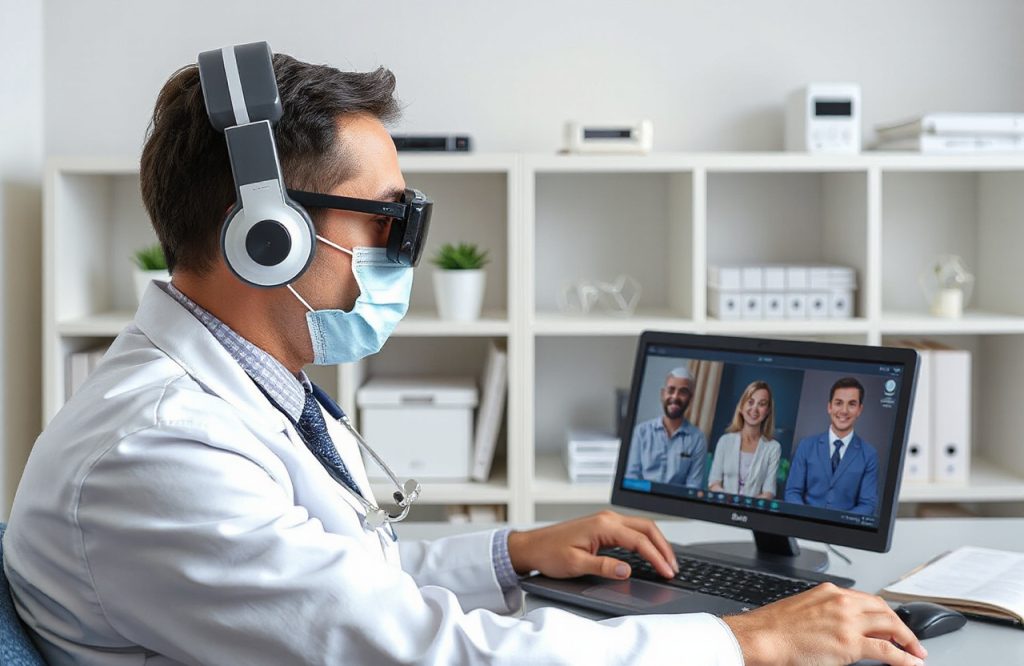
The Changing Landscape of Mental Health Care
Introduction to Tele-Therapy
The field of mental health is evolving rapidly. Traditionally, accessing psychiatric care involved anxiety-filled hours spent in waiting rooms, numerous phone calls, and the fear of societal judgment. Today, a significant shift is occurring, as tele-therapy has emerged as a new means of connecting with therapists, psychiatrists, and psychologists. This transformation is not merely a trend; it reflects changes in quality, accessibility, and patient confidence.
Barriers to Mental Health Treatment
Systemic Challenges
Mental health care has long been hindered by invisible barriers such as cost, inconvenience, long waiting periods, and stigma. According to the National Alliance on Mental Illness, over half of adults with mental health disorders in the U.S. do not receive treatment, with numbers even higher in specific communities. In major cities, waiting lists often extend for months.
The Rise of Virtual Psychiatry
Virtual psychiatry offers a solution by allowing patients to connect with their doctors via secure video calls from the comfort of their homes. This flexibility not only makes appointments easier to manage but also reduces costs. As noted by Jennifer Robinson, founder of Integral Psychiatric and Recovery Services, virtual sessions have eliminated logistical barriers for many patients. “I had a patient who used to miss every other appointment because she couldn’t find childcare,” Robinson explained. “When we switched to virtual sessions, she never missed another one.”
Advantages of Virtual Psychiatry
Geographic Accessibility
Virtual psychiatry transcends geographical limitations, enabling a patient in a rural area to consult a specialist in an urban center. This accessibility is particularly beneficial for marginalized groups who may feel misunderstood in traditional settings. As Dr. Robinson mentioned, one of her patients waited three years to find a psychiatrist who understood her background. Virtual care made that connection possible within a week.
Reducing Stigma
Engaging in teletherapy can feel less intimidating than visiting a clinic, significantly reducing the fear of being seen as someone seeking help. A 2022 report from Mental Health America indicated that 74% of online therapy users cited privacy as a primary reason for seeking care, helping to diminish the social pressure surrounding mental health issues.
Challenges of Virtual Psychiatry
Access and Technological Barriers
Despite its advantages, virtual psychiatry is not without challenges. Approximately 15% of U.S. households lack reliable internet access, posing significant hurdles for low-income families. Dr. Robinson emphasized the importance of flexibility in care, stating, “We’ve learned to match the method to the person. For some, virtual care is life-changing. For others, it’s a bridge until they’re ready to meet in person.”
Innovative Technology
Modern virtual psychiatry platforms offer more than just video chat capabilities. Features such as real-time mood tracking, medication reminders, secure messaging, and AI-based symptom analysis enhance the patient experience. Dr. Robinson shared a case of a patient with seasonal depression, stating, “Using the app, we followed his symptoms every week. His mood scores fell three weeks running, so I rang immediately to alter the treatment situation before it could get any worse.”
The Human Element in Virtual Care
Building Connections
Effective psychiatrists recognize that a screen should serve as a window rather than a barrier. Dr. Robinson notes the significance of personal touches during sessions, such as acknowledging pets or children that may appear onscreen. “These moments create warmth and connection,” she remarked, emphasizing that virtual psychiatry retains its humanity.
Wide-ranging Benefits
Virtual psychiatry caters to various patient demographics, including:
– Parents balancing work and family responsibilities
– College students adapting to new environments
– Veterans dealing with PTSD
– Individuals with chronic conditions facing mobility challenges
The Future of Mental Health Care
Emergence of Hybrid Care
As the field of psychiatry evolves, a hybrid approach is becoming more prevalent. This model allows for both in-person and online sessions, accommodating patients’ needs. A recent Harvard Health study predicts that by 2030, 60% of psychiatric practices may operate in this hybrid fashion. Dr. Robinson stated, “Hybrid care gives us the best of both worlds. We can meet patients wherever they are, literally and emotionally.”
Guidelines for Engaging in Virtual Care
For those considering virtual psychiatry, the following steps may be beneficial:
– **Find Qualified Providers**: Ensure that your psychiatrist or therapist is licensed in your area and that the platform is HIPAA-compliant.
– **Test the Technology**: Check your camera and microphone before your first session to build confidence.
– **Create an Ideal Environment**: Choose a quiet space for your sessions, which may include a parked car if needed.
– **Communicate Your Preferences**: If you prefer in-person meetings, be clear about your needs.
– **Maintain Consistency**: Regular sessions yield the best results, even as you begin to feel better.
Conclusion: A New Era of Mental Health Care
Virtual psychiatry represents a transformative shift in mental health care, bridging access gaps and reducing stigma. Through video consultations, patients from diverse backgrounds are discovering new avenues for support. As Dr. Robinson emphasizes, the essence of innovation lies in empathy and the belief that care should not be constrained by distance. Ultimately, the most profound connection in healthcare remains the human one—now just a click away.