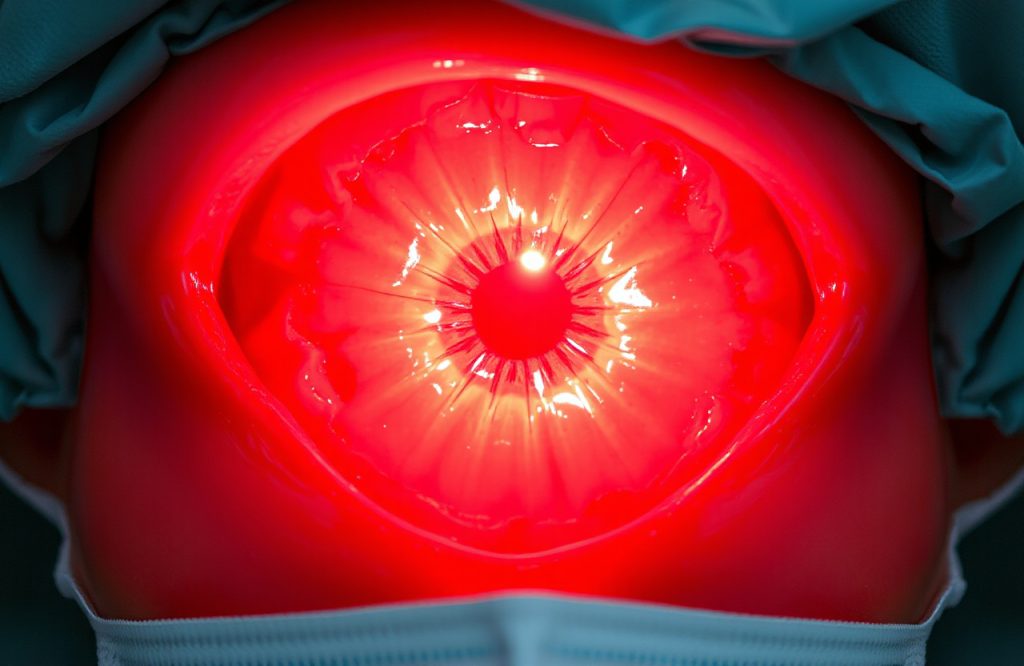
Advancements in Ocular Surgery
Emergence of New Techniques
The field of ocular surgery is undergoing significant transformations. Many eye surgeons are leveraging innovative techniques, such as the Prokera cryopreserved amniotic membrane, which is effective in treating various conditions, including keratitis. Consequently, PROKERA for Patients has gained traction among numerous ocular surgeons.
Importance of Ocular Surface Optimization
One of the most notable advancements is ocular surface optimization, aimed at enhancing patient outcomes during surgical procedures. With an aging population, procedures like laser eye surgery and cataract surgery are becoming more prevalent. To ensure the best results for patients, it is crucial to implement ocular surface optimization.
Understanding Ocular Surface Optimization
Definition and Significance
Ocular surface optimization refers to the preparation of the eye for surgical interventions, such as cataract surgery. The ocular surface serves as the eye’s initial reflective layer, playing a vital role in accurate intraocular lens (IOL) power calculations and biometric measurements. By optimizing the ocular surface before surgery, healthcare providers can significantly enhance patient outcomes.
Benefits of Optimization
Preparing the ocular surface properly can lead to improved clarity of vision post-surgery. Ensuring optimal conditions before cataract surgery is essential for patient satisfaction.
Challenges Addressed by Ocular Surface Optimization
Identifying Potential Issues
It is crucial to conduct thorough pre-surgery examinations to assess the readiness of the eyes. Even in the absence of reported problems, underlying issues may still exist that need addressing prior to the procedure.
Common Ocular Conditions
Patients may experience dry eye disease, which can adversely affect visual quality during surgery. Additionally, conditions like ocular surface disease can complicate surgical procedures, potentially leading to less favorable results. Central corneal staining and abnormal tear osmolarity are other concerns that can impact postoperative vision.
Consequences of Neglecting Ocular Surface Optimization
Potential Surgical Complications
Failing to optimize the ocular surface before surgery can result in several complications, including:
– Inaccurate IOL calculations, leading to the implantation of incorrect lenses and impaired post-surgical vision.
– Unfavorable outcomes, with patients potentially developing new symptoms during recovery.
– Deterioration of visual quality and acuity, exacerbated by unaddressed ocular surface diseases.
Impact on Surgical Results
Issues such as tear film irregularities can compromise retinal image quality, resulting in patient dissatisfaction following cataract surgery. To avoid these complications, investing in ocular surface optimization is essential before procedures.
Recognizing Signs of Ocular Surface Disease
Key Indicators
Identifying ocular surface disease is vital for successful surgical outcomes. Key signs to watch for include:
– Elevated osmolarity in ocular fluid, indicating ionic concentration issues that need resolution.
– Astigmatism and epithelial abnormalities in the cornea that should be addressed prior to surgery.
– Significant corneal staining, which must be treated to ensure optimal conditions for surgery.
Utilizing Advanced Tools
Incorporating the latest tools and best practices can significantly enhance patient outcomes, positioning them for success in their surgical journey.
Conclusion: Optimizing Ocular Surface for Cataract Surgery
To ensure the best results for patients preparing for cataract surgery, it is crucial to focus on ocular surface optimization. Alongside comprehensive patient assessments, utilizing advanced materials can greatly improve surgical outcomes and restore clear vision for patients.