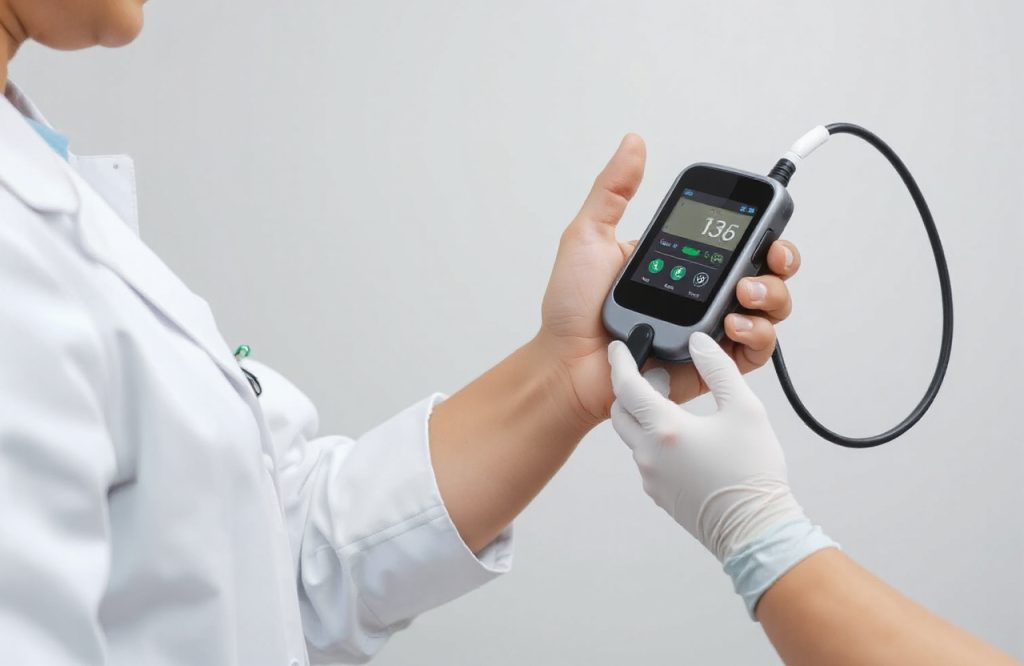
Understanding Type 1 Diabetes and Insulin Treatment
The Nature of Type 1 Diabetes
Type 1 diabetes is a serious medical condition characterized by the body’s insufficient production of insulin, a hormone that plays a critical role in regulating blood glucose levels. Without appropriate treatment, individuals with this metabolic disorder face numerous health risks, including severe complications such as vision impairment and amputations. To maintain blood glucose stability, patients typically rely on lifelong subcutaneous injections of synthetic insulin, particularly after meals.
Challenges with Manual Insulin Injections
While insulin injections are effective in managing type 1 diabetes, their success hinges on various factors, including dosage accuracy, timing, and the patient’s level of organization and motivation. These demands can adversely affect the quality of life (QOL) for those living with the condition. In response to these challenges, insulin pumps have been introduced to automate the delivery of insulin, potentially enhancing both diabetes management and patients’ QOL.
Research Findings from the Repose Study Group
Study Overview
A consortium of researchers in the UK, known as the Repose study group, conducted a study to evaluate the comparative effectiveness of insulin pumps versus manual injections in managing blood glucose levels for type 1 diabetes patients. The study included 248 participants who had no preference for either treatment method. Of these, 128 were assigned to use insulin pumps, while 120 continued with manual injections. Notably, both groups underwent a five-day educational program designed to enhance their understanding and management of insulin therapy.
Methodology and Metrics
The effectiveness of the treatments was assessed using glycated hemoglobin (HbA1c) levels, which offer a long-term view of blood glucose control by reflecting the average glucose levels over the lifespan of red blood cells. Additionally, various secondary outcomes such as quality of life, episodes of hypoglycemia, and diabetic ketoacidosis were measured at six, 12, and 24 months post-treatment initiation.
Study Results
The findings from the study raise questions regarding the advantages of insulin pumps. Although a slight reduction in HbA1c levels was observed in insulin pump users after 24 months, the difference was not significant enough to yield substantial medical benefits. Interestingly, there was a threefold increase in ketoacidosis incidents among insulin pump users, although the overall occurrence was low in both groups. While many quality of life measures favored insulin pump users, the perceived improvements were not substantial enough to significantly enhance overall patient well-being.
Implications and Further Considerations
Limitations of the Study
Despite the findings, there are limitations to consider. Users of insulin pumps had higher HbA1c levels prior to starting insulin treatment, which may influence the interpretation of the results. However, it seems unlikely that this factor would drastically alter the overall conclusions. Additionally, while the individual contributions of quality of life measures appeared minor, their cumulative psychological benefits may still provide a compelling argument for the use of insulin pumps.
Future Research Directions
Given these insights, there is a need for further studies focusing on health economics and outcomes to determine whether the modest psychological and medical benefits of insulin pumps justify the associated costs of this technology.
Conclusion
In summary, the Repose study group’s research casts doubt on the overall efficacy of insulin pumps for type 1 diabetes management. While the pumps may offer certain benefits, additional investigation is required to fully understand their impact compared to traditional injection methods.