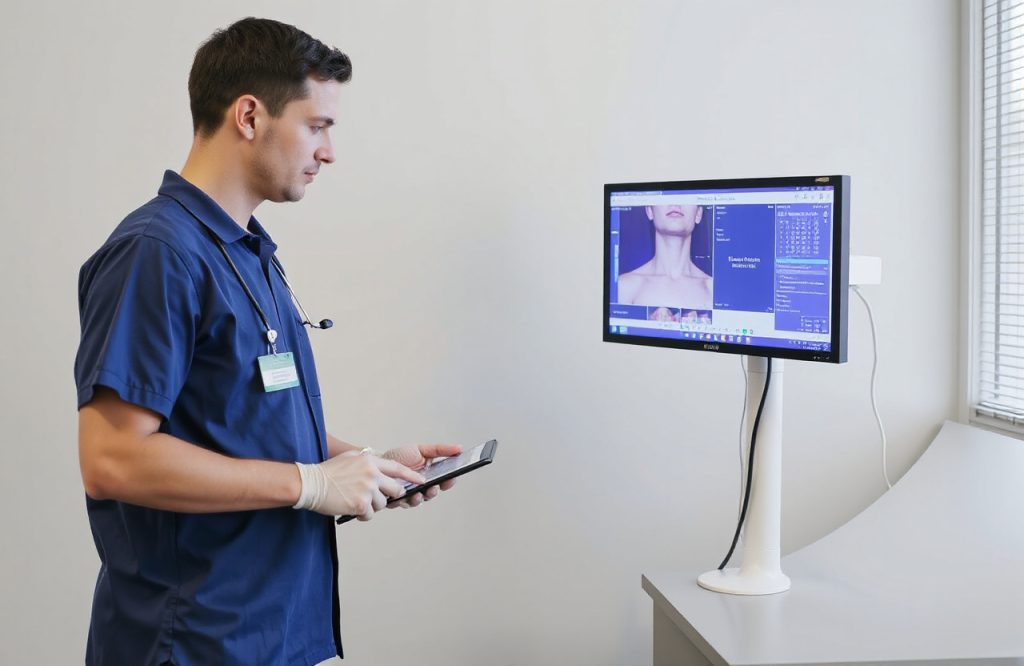
Urgent Care Centers Prepare for Intense Respiratory Season
Rising Patient Volumes in Urgent Care
This year, urgent care centers across the nation are gearing up for another challenging respiratory season, with a significant increase in patient volumes anticipated. In 2022, urgent care visits surpassed 206 million, far exceeding the 131 million visits to emergency departments. These centers have established themselves as the frontline in managing respiratory illnesses.
Challenges in Diagnostic Accuracy
During recent meetings of urgent care associations—including CALUCA, NERUCA, and SERUCA—participants discussed a pressing issue: how to ensure diagnostic accuracy and optimal patient outcomes amid a surge in patient numbers. New solutions are essential to navigate the upcoming flu season effectively, addressing patient bottlenecks, diagnostic uncertainties, and optimizing treatment.
The Core Challenges Facing Urgent Care
Managing Patient Volume Surges
Urgent care facilities in the United States face significant strain during the respiratory illness season. Each year, the holiday period sees a substantial rise in patient volumes, leading to longer wait times and increased staff burnout. The Centers for Disease Control and Prevention (CDC) has indicated that resource pressures are expected to continue in the 2026 respiratory season, mirroring previous peak hospitalizations.
Addressing Diagnostic Ambiguity
Research indicates that over 37% of emergency department patients leave without a clear diagnosis, underscoring the diagnostic uncertainties prevalent in healthcare settings. For urgent care clinicians, distinguishing between various respiratory infections remains a critical challenge, even with technological advancements. Common conditions like influenza, RSV, COVID-19, strep throat, and the common cold often present similar symptoms, complicating accurate diagnosis. Consequently, antibiotics are frequently overprescribed, exacerbating the spread of illness.
Improving Treatment Pathways
Urgent care providers must make rapid, accurate decisions under significant time constraints. Diagnostic ambiguity in respiratory conditions directly affects treatment selection, leading to unnecessary healthcare utilization and suboptimal patient outcomes. This confusion impacts providers and patients alike, highlighting the necessity for fast and accurate diagnostics. Correctly identifying pathogens is crucial for selecting appropriate treatment options and avoiding defensive medicine.
The Diagnostic Imperative
The Need for Speed and Precision
Traditional diagnostic methods, such as rapid antigen tests and culture-based diagnostics, often fail to provide the quick and definitive answers required in busy urgent care environments. Rapid antigen tests may miss early infections or low-viral-load cases, resulting in false negatives. Meanwhile, culture-based diagnostics, despite their specificity, can take days for results, delaying important care decisions during peak respiratory seasons. In these critical times, swift results and accurate diagnoses are essential.
Transformative Solutions with Advanced Molecular Diagnostics
Advanced molecular diagnostics, especially Polymerase Chain Reaction (PCR) testing, offer a revolutionary approach to disease detection. PCR excels by identifying genetic material, providing excellent accuracy and sensitivity in pathogen detection. Many modern systems can test for multiple respiratory pathogens using a single sample, streamlining the process and allowing for quicker, more accurate conclusions.
HealthTrackRx: A Strategic Partner for Urgent Care Resilience
Next-Morning Results at Scale
HealthTrackRx has addressed the challenge of rapid diagnostics with an innovative model that delivers next-morning PCR results at scale. This approach is crucial for both patients and clinicians. “We’re redefining infectious disease diagnostics,” stated Martin Price, CEO of HealthTrackRx, during remarks to Jane King at the New York Stock Exchange. The emphasis on quick turnaround times is vital for alleviating diagnostic uncertainty and enabling clinicians to make informed treatment decisions swiftly.
Scalable Infrastructure and Nationwide Access
The logistics of rapid diagnostics extend beyond technology; they involve infrastructure as well. HealthTrackRx has invested $45 million in a state-of-the-art lab at UPS LabPort in Louisville, Kentucky. This 60,000-square-foot facility, operational since September 2025, treats diagnostic samples as time-sensitive, ensuring that samples from rural clinics receive the same next-morning turnaround as those from urban areas.
Enhancing Patient Management through Precision
When diagnostic uncertainty leads to unnecessary prescriptions, it negatively impacts all parties involved. Patients may receive suboptimal care, treatment resistance can increase, and healthcare costs may soar. HealthTrackRx’s precision molecular diagnostics aim to break this cycle by providing definitive pathogen identification overnight. This allows clinicians to confidently prescribe targeted antivirals for influenza, avoid unnecessary antibiotics for viral infections, and make faster, evidence-based decisions.
According to a comprehensive provider survey conducted by HealthTrackRx, 80% of clinicians reported that next-morning results influenced their antibiotic prescribing decisions. Additionally, 76% noted a faster path to accurate treatment, while 52% experienced fewer return visits, and 48% reported a reduction in recurring infections.
The Future of Urgent Care Diagnostics
The tools necessary to transform urgent care diagnostics are already available. However, the crucial element has been the infrastructure needed to deliver accurate, precision testing rapidly and at scale. Advanced molecular diagnostics can enhance patient care, improve operational efficiency, and eliminate diagnostic uncertainty. These tools are only effective when results reach physicians promptly enough to inform initial treatment decisions. HealthTrackRx’s model, which provides next-morning results, signifies a shift from defensive guessing to evidence-based precision, accessible nationwide. The pressing question now is not whether these rapid molecular tests can work, but whether urgent care systems will adopt them in time to address future challenges.