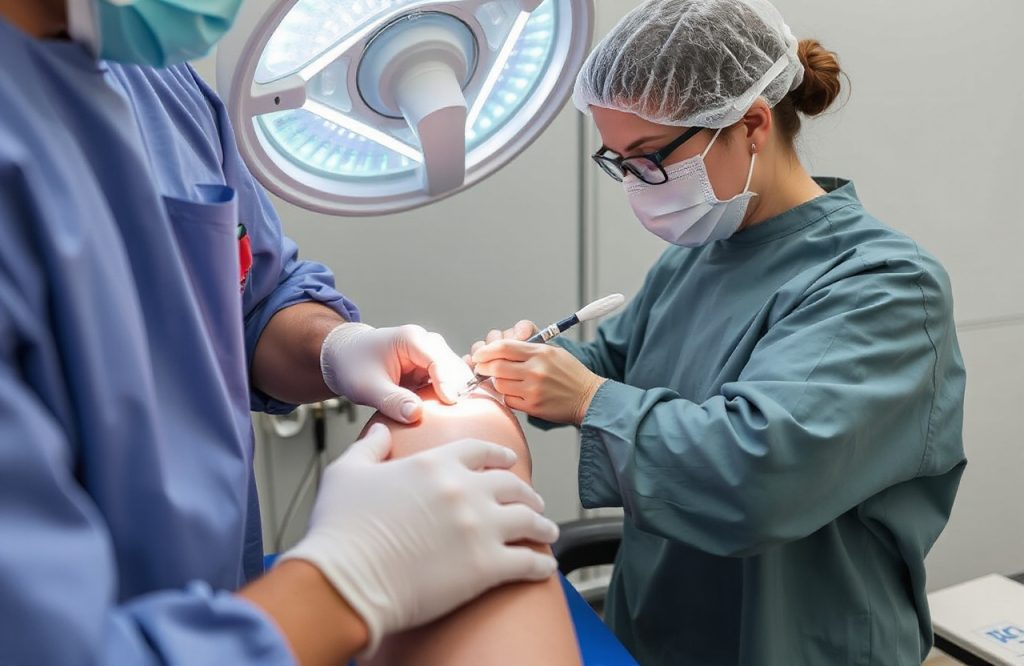
Advancements in Vascular Care: A Transformative Era
The Evolution of Treatment Approaches
Vascular care has emerged as one of the most rapidly advancing sectors in medicine over the past two decades. Traditionally, disorders such as varicose veins and chronic venous insufficiency required surgical interventions that often involved lengthy recovery periods. Today, these conditions can now be treated using minimally invasive techniques, significantly reducing recovery times and associated risks. The vascular care specialty has embraced patient-centered care by integrating innovative treatments, including endovenous thermal ablation, ultrasound-guided therapies, and pharmacological options, which have become dominant in this field. The advancements in vascular treatments are evident in Venous Treatments clinics across Bucks County and similar facilities, showcasing broad access to cutting-edge surgical techniques for managing venous disorders.
Transition from Surgical Vein Stripping to Minimally Invasive Methods
Vein stripping procedures were once the primary method for treating severe varicose veins. While effective for some, these surgeries required general anesthesia, involved the traumatic removal of veins, and were associated with considerable discomfort, scarring, and extended recovery times. The risks inherent in vein stripping led to a shift towards minimally invasive vein therapies. Modern treatment methods focus on closing off ineffective veins, allowing the body to naturally reroute blood flow. This shift has resulted in significant safety improvements, with procedures taking less than an hour, utilizing only local anesthesia, and enabling patients to return to normal activities immediately.
The Role of Technology in Contemporary Vein Procedures
Today’s vascular care is distinguished by the integration of advanced imaging and precision-guided technologies. For instance, ultrasound technology plays a crucial role in diagnosing and treating venous disorders, providing real-time imaging that helps physicians visualize obstructed veins and assess blood flow. Common thermal techniques such as endovenous laser treatment (EVLT) and radiofrequency ablation (RFA) use controlled internal heating to collapse and seal vein walls, with high success rates and minimal pain during the heating process. The latest innovation in vascular care is adhesive closure systems, which employ medical-grade glue to seal veins without the need for heating, making them an attractive option for patients averse to needles or anesthesia. Foam sclerotherapy also enhances treatment options for previously inaccessible veins, further prioritizing patient-centered care by tailoring procedures to individual anatomy and treatment preferences.
Enhancing Patient Comfort and Reducing Recovery Times
Minimally invasive procedures have become the new standard in vascular treatments due to significant improvements in patient experiences. Traditional surgeries often required patients to take days or weeks off from their normal routines. In contrast, modern vein treatments allow patients to walk immediately after procedures and resume daily activities the same day. Additionally, these techniques result in less discomfort through smaller incisions or needle use, eliminating the need for stitches and reducing infection risks. Many patients report substantial symptom relief within days, particularly regarding leg heaviness, swelling, and pain associated with venous insufficiency. Consequently, modern procedures not only provide effective medical outcomes but also enhance quality of life.
Advancements in Diagnostic Tools Leading to Early Intervention
Early diagnosis is crucial for preventing complications associated with conditions like leg ulcers, blood clots, and chronic venous disorders. Advanced diagnostic technologies enable specialists to identify issues that may be mild or asymptomatic, as well as those that could be overlooked. Duplex ultrasound imaging combines traditional imaging with Doppler flow analysis, allowing physicians to examine both the structure of the venous system and the blood flow. This knowledge facilitates earlier detection and diagnosis of venous dysfunction, improving prognoses and encouraging patients to seek timely medical attention, knowing effective treatments are available without the need for invasive surgical procedures.
The Aesthetic and Practical Outcomes of Modern Vein Care
Patients often seek varicose vein treatment for cosmetic reasons; however, venous diseases like venous insufficiency are genuine medical issues that can lead to emotional distress, pain, discomfort, swelling, chronic fatigue, and reduced mobility. Modern interventions address both the cosmetic and functional aspects of lower extremity health. Minimally invasive techniques not only enhance aesthetic outcomes but also restore leg functionality and circulation, alleviating chronic pain and discomfort. Improved mobility and appearance also boost patient confidence, making it easier to engage in daily activities. This dual benefit underscores the preference for contemporary vascular care over traditional surgical approaches, as improved health and appearance facilitate more favorable treatment decisions.
Expanding Access to Innovative Vein Therapies
As minimally invasive procedures become the norm, specialized centers have expanded their offerings to meet patient demands. Clinics dedicated to vascular and venous care can conduct comprehensive diagnostic assessments and develop personalized treatment plans tailored to individual needs. Facilities providing vein treatment in Bucks County represent a growing network of specialized, accessible care, ensuring that modern venous treatments are available to populations requiring effective management of venous disease. The trend of relocating advanced vascular procedures from costly hospital operating rooms to convenient outpatient settings has enhanced patient comfort and individualized care while lowering overall healthcare costs.
The Future of Vascular Care
With ongoing technological innovation and research, the future of vein treatments holds the promise of even greater precision and comfort. Developments in imaging, robotics, biomaterials, and nanotechnology are expected to lead to less invasive procedures, quicker recovery times, and more targeted therapies. Researchers will continue to refine vein closure methods, improving durability and minimizing recurrence rates. Additionally, artificial intelligence and medical software will analyze venous flow patterns to identify subtle irregularities, enhancing the precision and effectiveness of vascular care.
Conclusion: The Evolution of Vein Treatments
The advancements in vascular medicine have transformed the patient experience regarding diagnosis and treatment. Today, managing vascular conditions is safer and more comfortable than ever before. The shift towards minimally invasive procedures has positively disrupted traditional surgical practices, offering improved recovery times, enhanced aesthetic outcomes, and a better overall quality of life for patients. As more individuals benefit from personalized vascular care, the future of vein treatment continues to look promising.