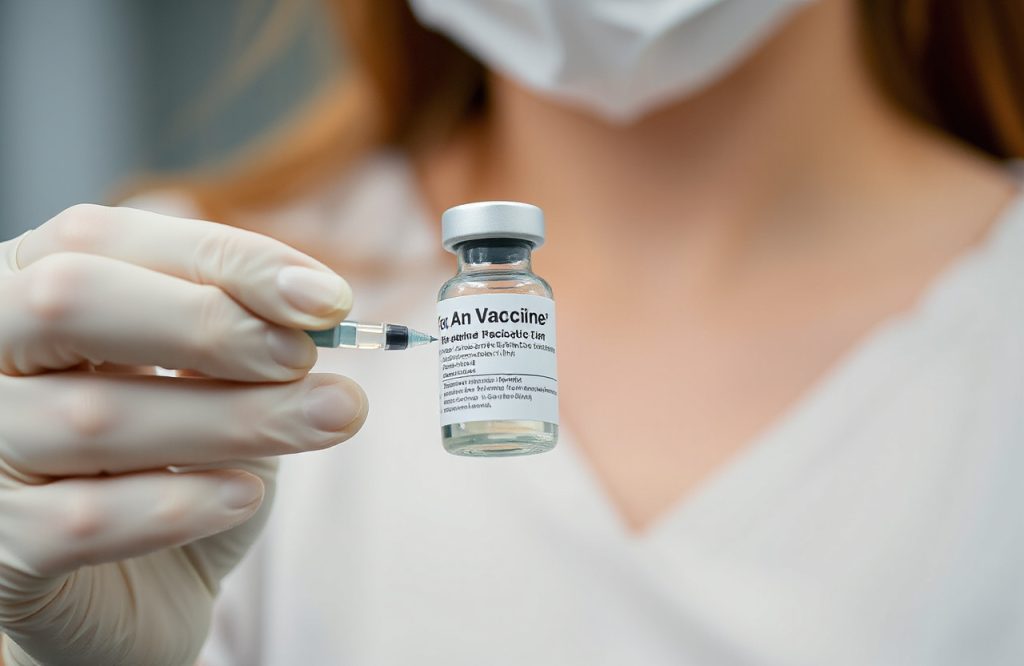
Rotavirus Vaccine and Its Potential Link to Type 1 Diabetes
Understanding Rotavirus
Rotavirus is a leading cause of severe diarrhea in infants and children between 6 to 24 months. Initial symptoms typically include fever and vomiting, followed by severe diarrhea within 24 to 48 hours. A major concern associated with this infection is dehydration. The Canadian Paediatric Society reports that nearly all unvaccinated Canadian children will experience at least one episode of diarrhea linked to rotavirus.
Type 1 Diabetes Overview
Unlike type 2 diabetes, type 1 diabetes is not caused by lifestyle or dietary factors and is not preventable. This condition occurs when the pancreas fails to produce insulin, hindering the body’s ability to regulate blood glucose levels. The exact cause of type 1 diabetes remains unknown.
Impact of Rotavirus Vaccination
Following the introduction of the rotavirus vaccine, a notable decline in rotavirus cases has been observed. Interestingly, there has also been a global 15% reduction in type 1 diabetes cases, leading to the hypothesis that the rotavirus vaccine may contribute to this decrease. Lead researcher Leonard C. Harrison discussed this correlation in an article published in the journal PLOS Pathogens.
Research Findings
Harrison’s research began by examining the link between islet antibodies (found in the pancreas) and rotavirus infections. In a study involving 360 children, he discovered that several children with elevated islet antibodies also had heightened rotavirus antibodies. Although still in preliminary stages, Harrison viewed these findings as significant in supporting his hypothesis.
Building on earlier studies that indicated rotavirus infects islet cells in NOD mice and other species, Harrison conducted in-vitro experiments by infecting mouse islets with rotavirus. Initially, the pancreatic islet cells displayed reduced size, irregularity, and insulin production, but no signs of rotavirus were present. Days later, the infection was detected, causing mild hyperglycemia—a potential indicator of type 1 diabetes. The timing of the infection emerged as a critical factor; exposure to rotavirus during the neonatal period appeared to decrease the likelihood of developing type 1 diabetes, whereas infections in older individuals or those already diagnosed accelerated the disease’s progression.
Population-Level Data Analysis
To strengthen their hypothesis, Harrison and his team analyzed population-level data from a 16-year period, which showed a 15% decrease in type 1 diabetes cases following the rotavirus vaccine’s introduction. Additionally, another study revealed a 41% reduction in type 1 diabetes among U.S. children vaccinated against rotavirus compared to those who were not.
Conclusion and Future Implications
Harrison emphasizes that the current study is in its early stages and does not yet establish a definitive causal relationship between rotavirus infections and type 1 diabetes. However, it offers valuable insights into the mechanisms of both diseases and opens avenues for future research aimed at potentially reducing the incidence of type 1 diabetes. He concludes, “Vaccination against rotavirus may have the additional benefit in some children of being a primary prevention for type 1 diabetes.”
References
Harrison, L. C., Perrett, K. P., Jachno, K., Nolan, T. M., & Honeyman, M. C. (2019). Does rotavirus turn on type 1 diabetes? PLOS Pathogens, 15(10). doi: 10.1371/journal.ppat.1007965
Harrison, L. (2019, October 10). Rotavirus infection may turn on type 1 diabetes. Retrieved from https://www.eurekalert.org/pub_releases/2019-10/p-rim101019.php
Rotavirus – Caring for Kids. (2015, August). Retrieved from https://www.caringforkids.cps.ca/handouts/rotavirus
Image by Angelo Esslinger from Pixabay