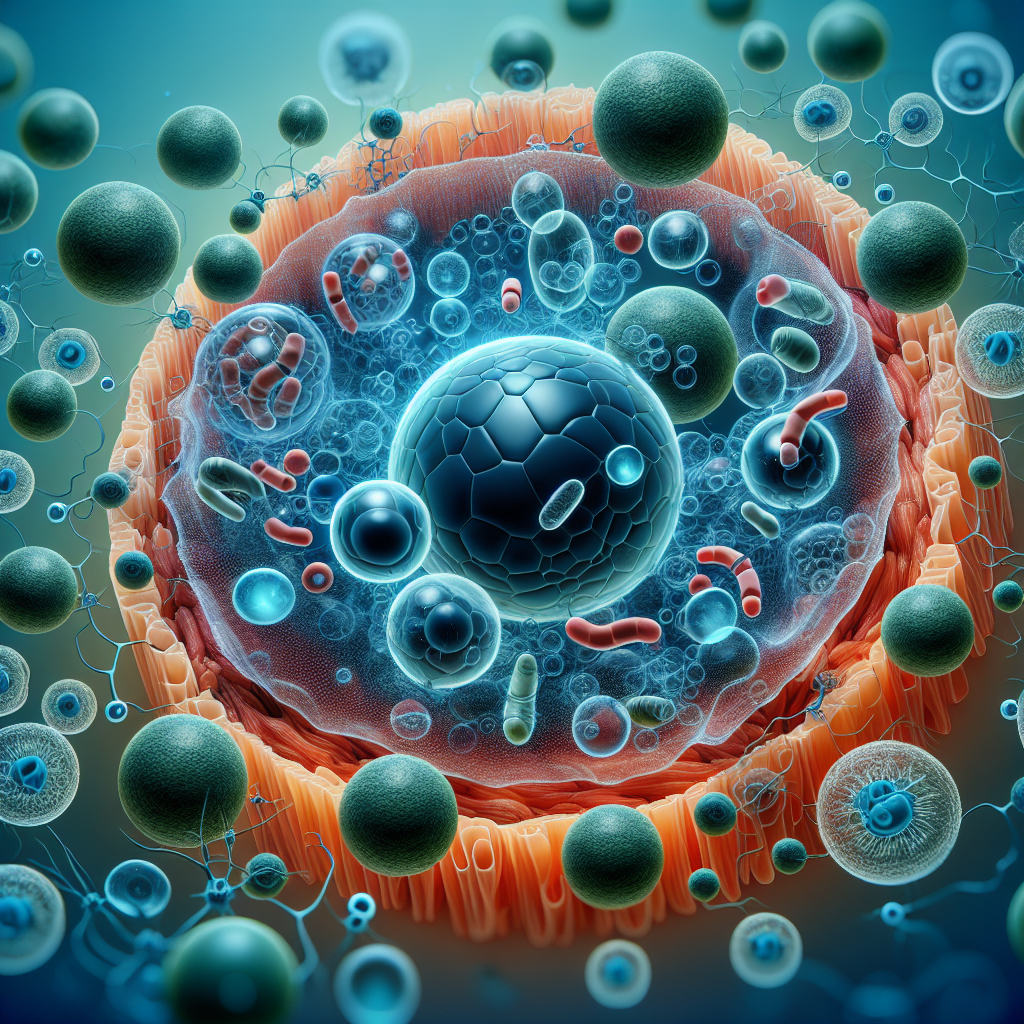
In the process of mature adipocyte development, a particular protein complex plays a vital role in stimulating the growth of lipid droplets.
Adipocytes, also known as fat cells, are critical components of our body’s energy storage system. During their maturation process, these cells undergo significant transformations, one of which involves the expansion of lipid droplets. Lipid droplets are essentially tiny storage units that hold excess fat molecules within the adipocyte. This expansion is crucial to the cell’s ability to store energy in the form of fat.
A protein complex has been identified as the driving force behind this expansion of lipid droplets. Acting as a catalyst, this complex enables the transformation process, ensuring that lipid droplets grow and mature adipocytes effectively store energy.
This discovery is particularly significant in the field of biochemistry, as it offers new insights into the cellular mechanisms that control fat storage in our bodies. Understanding these mechanisms is key not only to advancing our knowledge of cell biology but also to developing potential therapeutic strategies for conditions related to abnormal fat storage, such as obesity and diabetes.
For instance, if we can manipulate how this protein complex functions, we might be able to control how much fat is stored in adipocytes. This could potentially offer a new approach to managing obesity, a global health issue affecting millions of people.
In conclusion, this protein complex’s role in promoting the expansion of lipid droplets during the formation of mature adipocytes underscores its importance in energy storage within our bodies. Further study of this complex and how it functions could open the door to new strategies for managing fat storage and tackling obesity and other related health conditions.