Understanding Oxygen Saturation and Its Importance
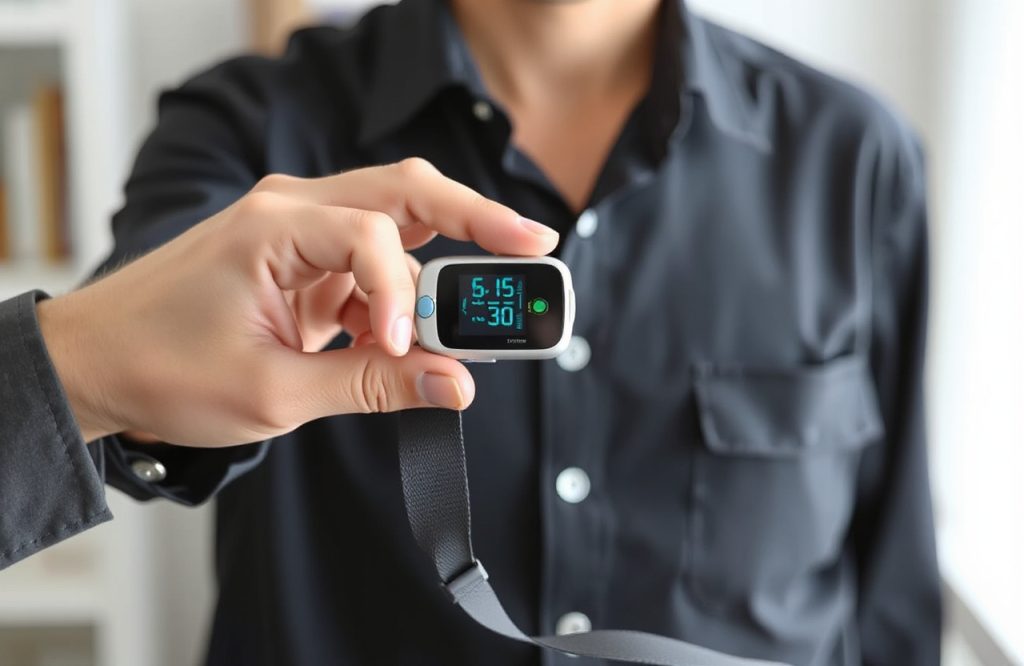
Measuring oxygen saturation levels with a fingertip pulse oximeter allows for the assessment of whether the heart and lungs supply an adequate amount of oxygen to the body. Low blood oxygen levels, known as hypoxemia, can be linked to various health conditions; however, it can be challenging to detect hypoxemia until oxygen saturation falls below 80%. Therefore, early identification using a pulse oximeter can facilitate timely healthcare interventions, such as oxygen supplementation. For critically ill patients with oxygen saturation levels of 94% or lower, prompt oxygen delivery may help reduce mortality rates associated with hypoxemia.
A home fingertip pulse oximeter can be particularly beneficial for patients with conditions like pneumonia, anemia, asthma, chronic obstructive pulmonary disease (COPD), a history or risk of heart attack, or lung cancer, allowing them to monitor their oxygen saturation alongside regular medical care and professional advice.
Conditions Monitored by Fingertip Pulse Oximeters
Pneumonia
Pneumonia is an infection and inflammation of the lungs caused by various pathogens, including bacteria, viruses, fungi, or parasites. It ranks as the sixth leading cause of death in the United States and the primary infectious cause of mortality. Symptoms often include high fever, cough, fatigue, and difficulty breathing. Hypoxemia is a frequent complication of pneumonia and increases the risk of mortality. Treatment typically involves antibiotics, rest, and fluids, while more severe cases may necessitate monitoring oxygen saturation and providing supplemental oxygen, which has been shown to reduce hospital stay duration. A fingertip pulse oximeter can aid in the early diagnosis of pneumonia or track its progression during home care.
Anemia
Anemia is characterized by a deficiency in red blood cells necessary for maintaining normal oxygen levels in the body, often due to nutritional deficiencies. Iron deficiency is the most prevalent cause, as iron is essential for hemoglobin production, the protein responsible for oxygen transport. Symptoms include fatigue, shortness of breath, and irregular heartbeats. An oxygen saturation monitor can help in the early detection and management of iron deficiency anemia by tracking blood oxygen levels, particularly in teenagers and pregnant women. In cases of anemia, fingertip pulse oximeters can provide valuable oxygen saturation readings, even in severe instances.
Asthma
Asthma involves reversible inflammation and obstruction of the airways, with bronchial asthma being the most common type. Acute asthma attacks may resolve naturally or require medical intervention. Given that hypoxemia is a common complication of asthma, pulse oximetry serves as a useful tool for assessing the severity of attacks, particularly in children, and determining the adequacy of oxygen therapy when saturation levels drop below 92%.
Chronic Obstructive Pulmonary Disease (COPD)
COPD is a chronic lung disease characterized by persistent airflow restriction. Patients with COPD often experience low oxygen saturation, especially at night, with values below 92% indicating respiratory failure. Hypoxemia can worsen with the severity of COPD and is associated with decreased quality of life and increased risks of complications and mortality. A wearable fingertip pulse oximeter allows patients to monitor their oxygen saturation and pulse rate during stable periods and exacerbations, helping them decide when to seek emergency care or require oxygen supplementation.
Heart Attack Patients
Pulse oximeters can play a role in monitoring heart attack patients, as heart attacks result from prolonged interruptions in oxygenated blood flow to the heart. Oxygen supplementation via nasal cannulas or face masks is a common treatment. Monitoring heart rate and oxygen saturation is crucial for evaluating cardiovascular health. Using a home pulse oximeter can assist in diagnosing and assessing the severity of heart disease, particularly for individuals at risk of heart attacks.
Lung Cancer
Lung cancer is the most prevalent cancer globally, with many patients diagnosed at advanced stages and facing poor prognoses. Symptoms such as changes in breathing, chest pain, cough, and loss of appetite significantly affect patients’ quality of life. Oxygen delivery is often prescribed for advanced lung cancer patients due to the likelihood of hypoxemia and dyspnea. A fingertip pulse oximeter can assist in diagnosing hypoxemia in lung cancer patients, enhancing the management of symptoms and improving palliative care by providing valuable insights into lung function and pathology.
Conclusion
While a home pulse oximeter cannot diagnose or treat health issues, it can serve as an important tool for detecting hypoxemia, a common symptom across many conditions. This capability allows for effective remote monitoring and can streamline the process from diagnosis to treatment. Patients should be aware of the potential for inaccurate readings due to factors such as poor signal strength or labored breathing and should consult a healthcare provider with any concerns.
References
1. Lee, H., Ko, H., & Lee, J. (2016). Reflectance pulse oximetry: practical issues and limitations. Ict Express, 2(4), 195-198.
2. Jubran, A. (2015). Pulse oximetry. Critical Care, 19(1), 272.
3. Zhang, Y., et al. (2012). Oxygen therapy for pneumonia in adults. Cochrane Database of Systematic Reviews, (3).
4. Ginsburg, A.S., et al. (2012). Oxygen and pulse oximetry in childhood pneumonia: a survey of healthcare providers in resource-limited settings. Journal of Tropical Pediatrics, 58(5), 389-393.
5. Soundarya, N., & Suganthi, P. (2017). A review on anemia – types, causes, symptoms, and their treatments. Journal of Science and Technology Investigation, 1(1).
6. Miller, J.L. (2013). Iron deficiency anemia: a common and curable disease. Cold Spring Harbor Perspectives in Medicine, 3(7).
7. Meznar, M., Pareznik, R., & Voga, G. (2009). Effect of anemia on tissue oxygenation saturation and the tissue deoxygenation rate during ischemia. Critical Care, 13(1).
8. El-Sberbihy, R.R., et al. (2018). Pulse oximetry in comparison to arterial blood oxygen saturation in children with bronchial asthma coming to the emergency room. Tanta Medical Journal, 46(2), 93.
9. Krishnan, S.G., et al. (2020). Oximetry-detected pulsus paradoxus predicts severity in pediatric asthma. Archives of Disease in Childhood, 105(6), 533-538.
10. Buekers, J., et al. (2019). Wearable finger pulse oximetry for continuous oxygen saturation measurements during daily home routines of patients with chronic obstructive pulmonary disease (COPD) over one week: an observational study. JMIR mHealth and uHealth, 7(6).
11. Dalbak, L.G., Straand, J., & Melbye, H. (2015). Should pulse oximetry be included in GPs’ assessment of patients with obstructive lung disease? Scandinavian Journal of Primary Health Care, 33(4), 305-310.
12. Cabello, J.B., et al. (2016). Oxygen therapy for acute myocardial infarction. Cochrane Database of Systematic Reviews, (12).
13. Jahan, E., Barua, T., & Salma, U. (2014). An overview of heart rate monitoring and pulse oximeter system. Int. J. Latest Res. Sci. Technol, 3, 148-152.
14. Walter, F.M., et al. (2015). Symptoms and other factors associated with time to diagnosis and stage of lung cancer: a prospective cohort study. British Journal of Cancer, 112(1).
15. Martins, S.J., et al. (2005). Lung cancer symptoms and pulse oximetry in the prognostic assessment of patients with lung cancer. BMC Cancer, 5(1), 72.
16. Tiep, B., et al. (2013). Oxygen for end-of-life lung cancer care: managing dyspnea and hypoxemia. Expert Review of Respiratory Medicine, 7(5), 479-490.
17. US Food and Drug Administration. (2013). Pulse oximeters – premarket notification submissions: guidance for industry and food and drug administration staff. US Department of Health and Human Services.