Research on Monitoring Blood Pressure with Smartphone Cameras
Prevalence of High Blood Pressure
Nearly 50 percent of American adults are affected by high blood pressure, with many unaware of their condition. High blood pressure, or hypertension, can stem from various factors, including stress, excessive alcohol consumption, a high-fat diet, and health issues such as kidney disease and diabetes. If left untreated, chronic hypertension can strain the heart and blood vessels, potentially leading to cardiovascular disease.
Challenges in Blood Pressure Measurement
Many individuals are unaware of their high blood pressure due to infrequent testing. Traditional blood pressure measurement is conducted using a cuff, which, while accurate, may be uncomfortable. Additionally, most people only check their blood pressure once, rather than the multiple assessments recommended by the American Heart Association. Accessing clinics or pharmacies for testing can be inconvenient, especially for those with limited health insurance or transportation options.
Innovative Research at the University of Toronto
Researchers at the University of Toronto have explored the use of transdermal optical imaging to measure blood pressure by assessing visual blood flow changes in the face. This Canadian study, published in the journal Circulation: Cardiovascular Imaging, aimed to evaluate the effectiveness of this technology.
Study Methodology and Findings
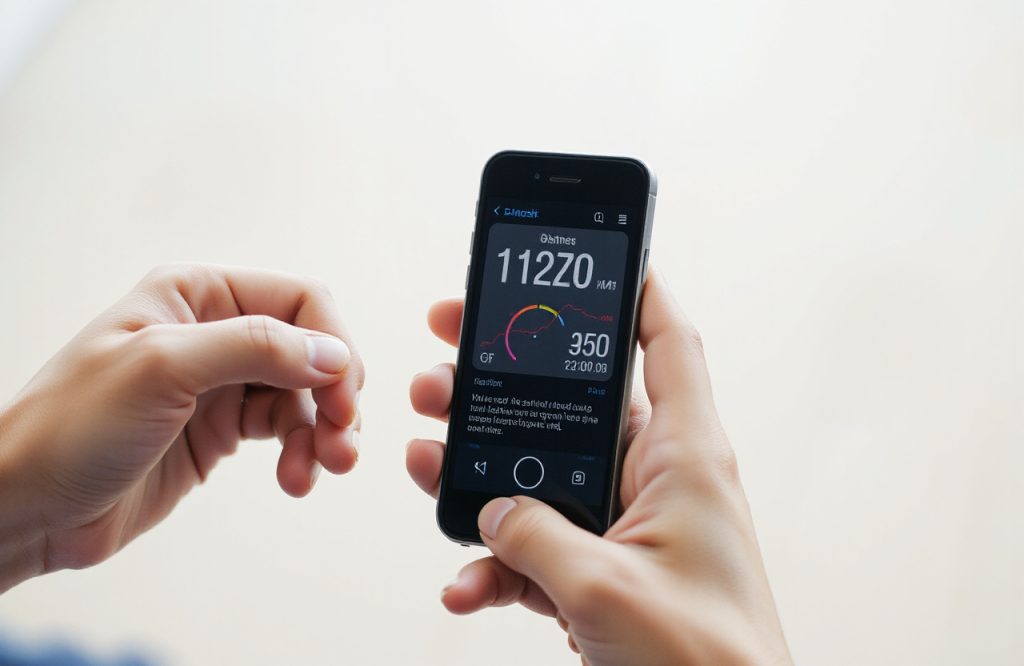
To conduct the study, researchers recorded two-minute videos of 1,328 Canadian and Chinese adults with normal blood pressure using an iPhone equipped with transdermal optical imaging software. The results for systolic and diastolic blood pressure, as well as pulse pressure, were compared to measurements obtained through traditional cuff-based tests. The findings indicated that transdermal imaging technology was 95 percent accurate in predicting systolic blood pressure and 96 percent accurate for diastolic blood pressure—aligning with international standards and offering a more accessible alternative to conventional testing.
Limitations and Future Research
Despite these promising results, the videos were captured under controlled lighting conditions, prompting the need for further research to establish if similar accuracy can be achieved in diverse home environments. Additionally, the study did not include participants with varying skin tones, which may influence the results.
Conclusion and Recommendations
This research suggests the potential for smartphone-based blood pressure monitoring, which, with further development and testing, could provide a more accessible option than traditional cuff-based methods. Until a viable alternative is available, it remains crucial for individuals to have their blood pressure checked regularly using conventional methods and to maintain a healthy lifestyle to prevent hypertension.
Related Topics of Interest
– New blood pressure guidelines may lower mortality rates in stroke patients
– New guidelines improve the detection of high blood pressure during pregnancy
– Antidepressants may increase the risk of high blood pressure during pregnancy
– Does high blood pressure increase the risk of miscarriage?
– Can a common blood pressure drug improve ovarian cancer treatment?
– Could blood pressure treatment be harmful to older seniors?
– Is poor oral health linked to worse blood pressure control?
References
– Blood pressure monitoring may one day be easy as taking a video selfie. (2019, August 6). Retrieved August 6, 2019, from https://www.eurekalert.org/pub_releases/2019-08/aha-bpm080119.php
– Felman, A., & Spriggs, B. B., MD, MPH, FACP. (2019, July 22). Hypertension: Causes, symptoms, and treatments. Retrieved August 6, 2019, from https://www.medicalnewstoday.com/articles/150109.php
– Image by TeroVesalainen from Pixabay