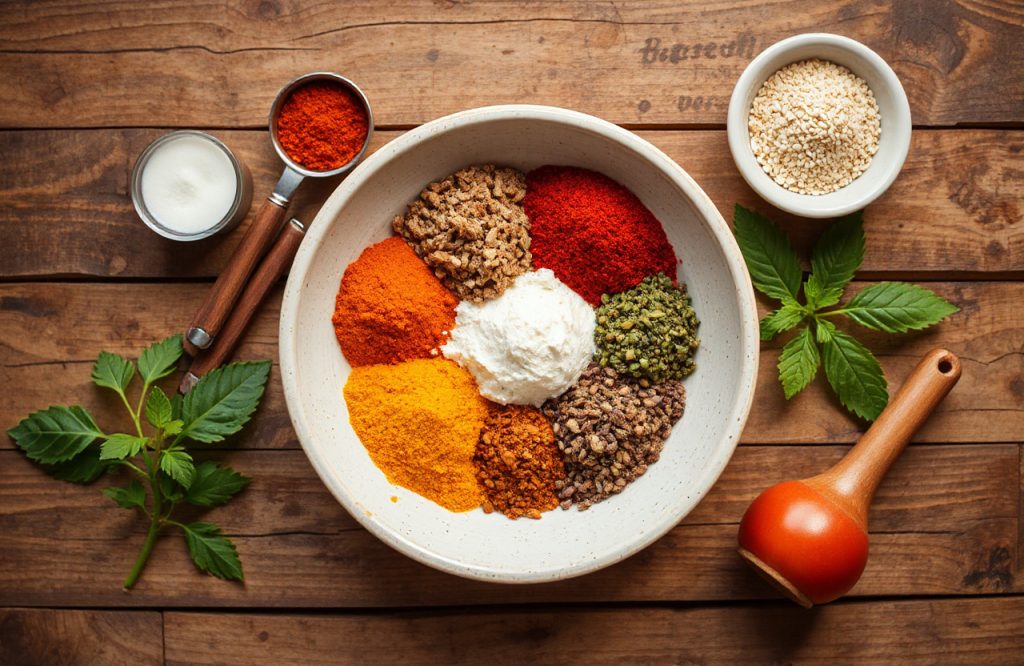
Impact of Herbs and Spices on Blood Pressure
Study Overview
Recent research published in The American Journal of Clinical Nutrition indicates that incorporating herbs and spices into meals may not only enhance flavor but also positively influence 24-hour ambulatory blood pressure. This study particularly highlights the potential benefits for individuals with cardiometabolic diseases.
Health Benefits of Herbs and Spices
Previous studies have established that herbs and spices can lower high blood sugar levels, reduce cholesterol, and alleviate oxidative stress, which can harm body cells. However, the specific advantages of these ingredients for individuals with cardiometabolic conditions remain underexplored. This study aimed to clarify the impact of herbs and spices on people suffering from disorders such as type 2 diabetes, heart disease, and stroke.
Study Methodology
To investigate the effects of herbs and spices on blood pressure, the researchers created three distinct dietary plans, varying in the amounts of herbs and spices included: low (0.5 grams), medium (3.2 grams), and high (6.5 grams) dosages per day. Each diet consisted of 2,100 calories, based on what is referred to as a “non-ideal” U.S. diet, which still contained sodium and other less healthy components. A total of 24 different herbs and spices were utilized, with the highest concentrations being cinnamon, coriander, ginger, cumin, and parsley.
The study involved 71 participants from Penn State University, all of whom were at risk for cardiometabolic diseases. Each participant followed one of the three diets for four weeks, with a minimum two-week wash-out period before transitioning to a different diet. By the conclusion of the study, all participants had experienced each dietary plan.
Results
The findings revealed that the high herb and spice diet led to significant improvements in 24-hour ambulatory blood pressure when compared to both the medium and low spice/herb diets. This measure provides a continuous assessment of blood pressure, including during sleep.
Implications for Dietary Practices
Traditionally, individuals with cardiometabolic diseases have been advised to lower sodium intake as a means of reducing blood pressure. However, adhering to a low-sodium diet can be challenging due to the flavor-enhancing properties of salt. This study’s outcomes suggest that herbs and spices could serve as a beneficial alternative for improving flavor without the need for additional sodium, sugar, or saturated fat. Penny Kris-Etherton, a professor of Nutritional Sciences at Evan Pugh University, emphasized, “Adding herbs and spices to your food is a great way to add flavor without adding extra sodium, sugar, or saturated fat.”
While the study did not aim to reduce sodium levels in the diets, the researchers propose further studies to explore the combined effects of herbs and spices with low-salt, high-vegetable diets to better understand optimal nutrition for those at risk of cardiometabolic diseases.
Related Topics for Further Exploration
– How common is high blood pressure in children?
– What is the relationship between alcohol and blood pressure?
– Could blood pressure medications have potential as treatments for Alzheimer’s disease?
– Understanding the blood pressure myth.
– Effective strategies for lowering high blood pressure.
– The role of immune cells in managing high blood pressure.
– Do nitrate-rich vegetables help reduce high blood pressure?
References
Petersen, K.S. et al. (2021). Herbs and spices at a relatively high culinary dosage improves 24-hour ambulatory blood pressure in adults at risk of cardiometabolic diseases: a randomized, crossover, controlled-feeding study. The American Journal of Clinical Nutrition; nqab291. doi:10.1093/ajcn/nqab291.
Bohn, K. (2021). Adding herbs and spices to meals may help lower blood pressure. EurekAlert! Accessed on Nov. 11, 2021. Retrieved from https://www.eurekalert.org/news-releases/934137.
Image by Ulrike Leone from Pixabay.