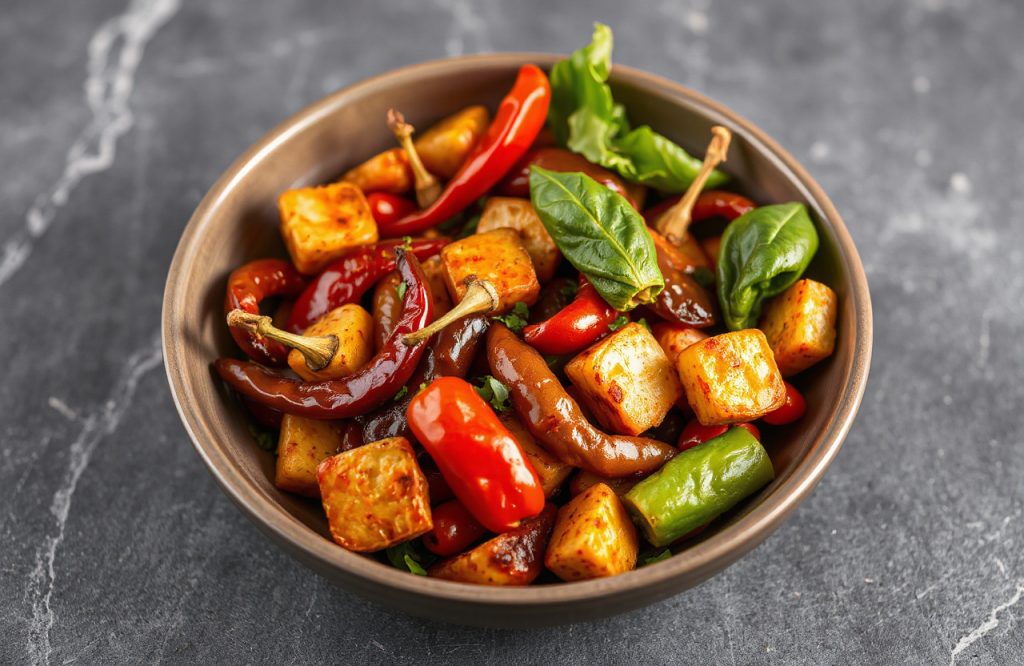
Spicy Food Consumption and Cardiovascular Health
Research Findings
Recent research indicates that both the frequency and quantity of spicy food intake are inversely related to the LDL-cholesterol to HDL-cholesterol ratio. This suggests that including spicy foods in one’s diet may serve as a viable method for reducing the risk of cardiovascular disease (CVD).
The Impact of Cardiovascular Disease
Cardiovascular disease remains the leading cause of death globally. Dyslipidaemia, characterized by abnormal lipid levels in the bloodstream, is a significant risk factor for developing CVD. This condition is typically marked by high levels of LDL-cholesterol and triacylglycerols (TAGs), along with low HDL-cholesterol levels. In Asian countries like China, the most common forms of dyslipidaemia usually present as elevated LDL levels and reduced HDL levels.
As China’s socioeconomic landscape evolves, there has been a notable increase in the prevalence of dyslipidaemia over the past decade. If not addressed, this trend could lead to a corresponding rise in CVD cases, placing significant strain on the healthcare system in the future.
Previous Studies on Dyslipidaemia
Earlier research has identified specific foods and their bioactive components that can improve dyslipidaemia in certain individuals. Notably, the capsicum species, widely used as natural colorants, spices, and in traditional medicine, has shown promise. In China, chillies from the capsicum family are commonly used in preparing spicy dishes.
Capsaicinoids, the active compounds in chillies, have been shown in previous studies to enhance energy expenditure, promote fat reduction, and improve lipid metabolism. The lipid-lowering effects of capsicum species have been documented in various animal studies and smaller population research.
Current Study Overview
A recent study published in the British Journal of Nutrition aimed to explore the relationship between spicy food consumption and serum lipid levels, extending previous findings to a larger and more geographically diverse population of Chinese adults.
Data for this study were collected from the 2009 phase of the China Health and Nutrition Survey, involving a sample size of 6,774 healthy adults aged 18 to 65. Participants self-reported their spicy food consumption frequency and intensity, with regular intake assessed through three consecutive 24-hour recalls. Fasting blood samples were analyzed to determine levels of total cholesterol, TAG, LDL-cholesterol, and HDL-cholesterol.
Results and Implications
The findings revealed that both the frequency and average quantity of spicy food consumption were inversely associated with LDL-cholesterol levels. This means that higher consumption of spicy foods correlates with lower levels of “bad” cholesterol. Additionally, the study found an inverse relationship between spicy food intake and the LDL-cholesterol:HDL-cholesterol ratio, a more comprehensive measure of an individual’s lipid profile. This result supports the idea that spicy foods could be an alternative approach to lowering CVD risk.
Researchers suggest that the benefits observed may stem from capsaicinoids or a synergistic effect with other phytochemicals found in chillies. However, the study also noted a positive association between spicy food consumption and increased serum levels of TAG, which could result from the additional energy and oil often present in spicy dishes.
Conclusion
To maximize the health benefits of spicy foods, it is advisable to include chillies in your diet while being mindful of additional oils and overall calorie intake.
Written by Rebecca Yu
Source: Xue, Y., He, T., Yu, K., Zhao, A., Zheng, W., Zhang, Y., & Zhu, B. (2017). Association between spicy food consumption and lipid profiles in adults: a nationwide population-based study. British Journal of Nutrition, 1-10.