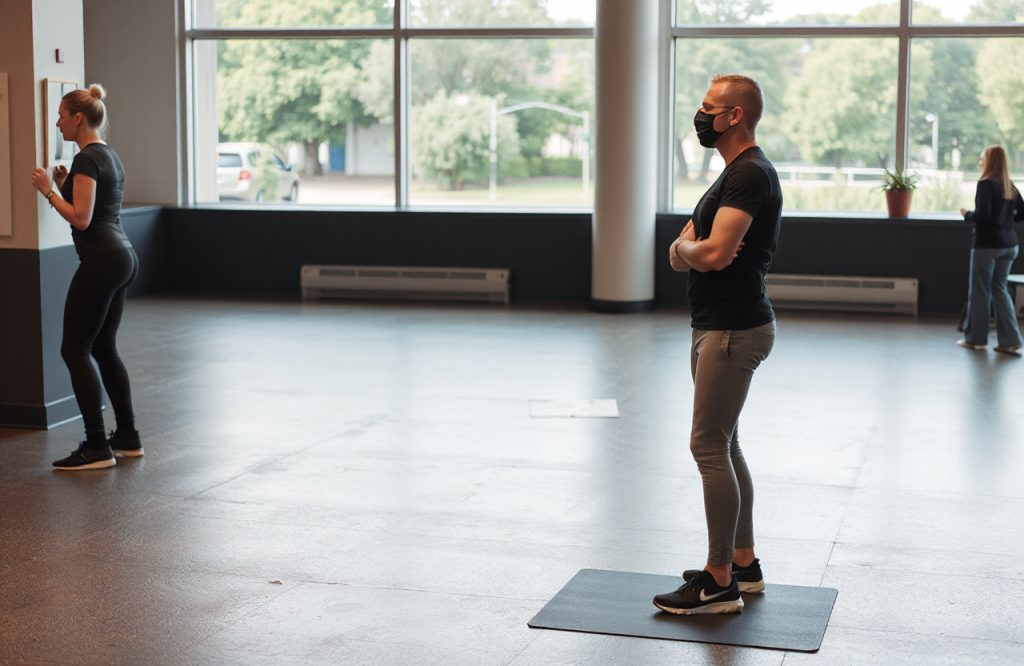
Study on Standing and Insulin Sensitivity in Adults with Metabolic Syndrome
Overview of the Research
A Finnish collaborative study examines the relationship between standing and insulin sensitivity in adults diagnosed with metabolic syndrome, who face an elevated risk of developing type 2 diabetes. Insulin, a hormone secreted by the pancreas, plays a crucial role in regulating blood glucose levels and energy metabolism. Various factors, including genetics, a sedentary lifestyle, and excess body weight, can impair normal insulin function. Reduced insulin sensitivity may lead to type 2 diabetes, a condition prevalent among adults, where cells do not respond adequately to insulin, resulting in elevated blood sugar levels that can cause serious health complications such as vision loss and kidney disease.
Study Design and Methodology
The findings of this research, published in the Journal of Science and Medicine in Sport, are based on a sample of 64 middle-aged sedentary adults aged between 40 and 65 years. The participants’ sedentary behavior, breaks in sedentary time, and levels of physical activity were monitored over a four-week period using hip-worn accelerometers. These devices track the frequency and intensity of human movement. To evaluate insulin sensitivity, the researchers employed the hyperinsulinaemic-euglycaemic clamp technique, along with fasting blood sampling analyzed through the Homeostatic Model Assessment for Insulin Resistance (HOMA-IR).
Impact of Standing on Insulin Sensitivity
The results indicate a positive association between standing and whole-body insulin sensitivity markers, regardless of physical activity levels, sitting duration, fitness levels, or body fat. These findings suggest that standing could enhance insulin sensitivity among inactive adults at risk of developing type 2 diabetes. According to the researchers, this improvement in insulin sensitivity may result from muscle contractions associated with standing, which aid in overall glucose disposal.
Limitations of Standing Alone
However, the study also highlights that for healthy populations, merely standing is insufficient to enhance insulin metabolism; insulin sensitivity does not improve when standing replaces sitting. The data imply that physical activity is vital for improving overall body composition, which in turn influences insulin function. The interplay between physical activity, fitness, and sedentary behavior significantly affects insulin metabolism through its impact on body fat percentage.
Conclusion and Recommendations
The researchers emphasize the importance of maintaining a healthy body weight as a critical factor in metabolic health and the prevention of type 2 diabetes in adults.
Reference
Taru Garthwaite, Tanja Sjöros, Mikko Koivumäki, Saara Laine, Henri Vähä-Ypyä, Maria Saarenhovi, Petri Kallio, Eliisa Löyttyniemi, Harri Sievänen, Noora Houttu, Kirsi Laitinen, Kari Kalliokoski, Tommi Vasankari, Juhani Knuuti, Ilkka Heinonen. Standing is associated with insulin sensitivity in adults with metabolic syndrome. Journal of Science and Medicine in Sport, 2021; DOI: 10.1016/j.jsams.2021.08.009
Image by StockSnap from Pixabay