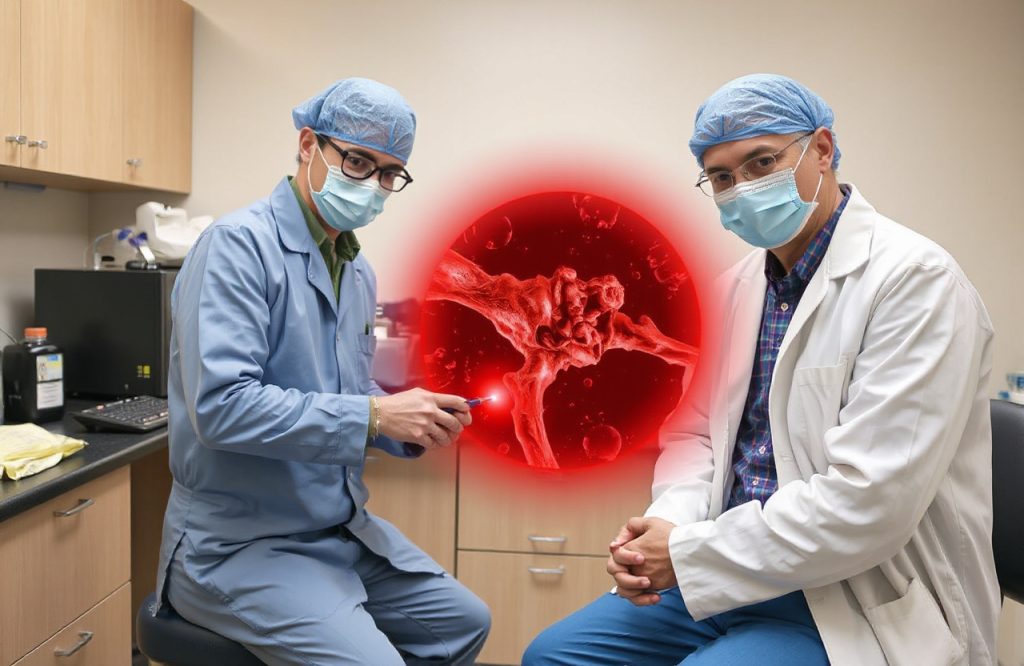
New Technique Utilizing Stem Cells for Bone Healing
Advancements in Stem Cell Research
Researchers have made significant strides in the field of medicine by developing a novel technique that harnesses stem cells to enhance the healing process of large bone defects. This innovative approach involves the application of mechanical forces to fracture sites, promoting bone regeneration. Stem cells, known for their remarkable potential in medical advancements, can be sourced from either embryos or adult humans. When placed under suitable conditions, these cells can differentiate into various specialized cell types, tissues, and organs.
Research Findings Published
A recent study published in Science Translational Medicine by a collaborative team from the University of Illinois and the University of Pennsylvania outlines this new technique. Their research suggests that applying stem cells to fracture sites can significantly accelerate the healing process of bones.
Challenges with Current Bone Implants
Large bone defects, which may arise from accidents, diseases, or tumor removals, present considerable challenges for recovery. Despite ongoing efforts involving growth factors and gene therapy, the successful repair of substantial gaps in long bones remains a daunting clinical issue. Presently, bone grafts are the primary substitutes used for repairing these extensive defects; however, their effectiveness is often limited due to poor osteoinductivity, which can compromise the surrounding soft tissue and host bone.
Promoting Bone Healing with Stem Cells
Recent experiments indicate that the combination of stem cells and flexible implants can facilitate the healing of significant fractures. This technique allows stem cells at the fracture sites to experience mechanical stress, akin to what occurs during embryonic development. Such mechanical forces may encourage stem cells to differentiate into cartilage and bone, while also stimulating the regeneration of other bone cells.
Experimental Methodology and Results
To investigate how mechanical forces within bone defects influence bone generation, researchers introduced specially engineered stem cells into bone defects in rodents using a flexible fixator that applies adjustable pressure. After a four-week implantation period, the researchers noted enhanced healing and improved mechanical performance in the treated bones compared to control rats that underwent traditional fixator treatments. The applied mechanical load also fostered cartilage persistence, blood vessel formation, and overall bone regeneration.
Future Research Directions
The research team intends to conduct further preclinical studies to explore the potential clinical applications of this technique.
Reference
McDermott, A.M. et al. Recapitulating bone development through engineered mesenchymal condensations and mechanical cues for tissue regeneration. Science Translational Medicine, 2019;11(495):eaav7756. DOI: 10.1126/scitranslmed.aav7756.
Author Information
Written by Man-tik Choy, Ph.D.