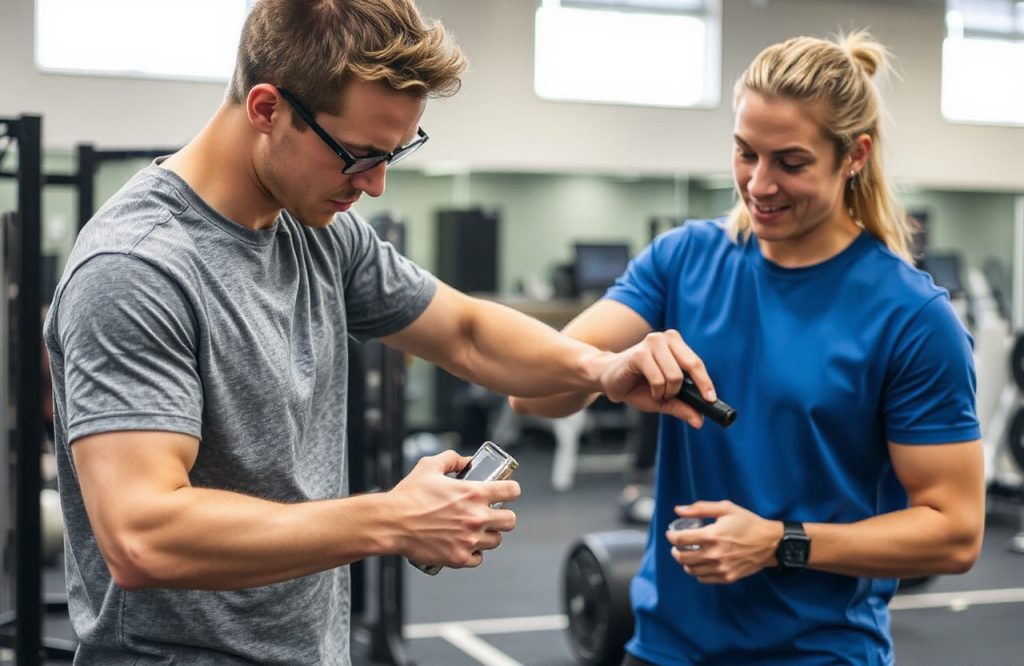
Swiss Study on Sports Watches: Accuracy in Measuring Energy Expenditure
Overview of the Sports Watch Market
The demand for sports watches has surged in recent years. These devices are not only affordable but also align perfectly with the active lifestyles of many individuals.
Comparison of Leading Brands
A recent Swiss study investigated the accuracy of three prominent sports watches: the Suunto Ambit2, Garmin Forerunner 920XT, and Polar V800. The research focused on how well these watches measure energy expenditure, a critical metric for both athletes and individuals managing obesity and other health issues. The findings were published in the journal BMC Sports Science, Medicine and Rehabilitation.
Study Methodology
The study involved 19 athletes, all of whom were recreational or competitive runners. Participants performed two sets of treadmill exercises; the first set was conducted without the watches to establish a baseline measurement of energy expenditure using indirect calorimetry. In the second set, each athlete wore all three watches simultaneously—two on the left wrist and forearm, and one on the right wrist alongside a heart monitor. The positioning of the devices was randomized for each runner. During this second phase, the participants completed three runs designed to evaluate the watches under varying intensities: low, moderate, and high.
Findings on Low and Moderate Intensity Running
For low and moderate intensity runs, both the Garmin Forerunner 920XT and Polar V800 provided acceptable measurements of energy expenditure when compared to the baseline method. Notably, the Polar V800’s readings closely matched the baseline across all low and moderate intensity stages. In contrast, the Suunto Ambit2 significantly overestimated energy expenditure during these same conditions.
High-Intensity Running Results
In the high-intensity running phase, all three watches were found to significantly underestimate energy expenditure. The researchers noted a trend: as running intensity increased, the accuracy of the watches’ measurements decreased. They concluded that the algorithm used for energy expenditure estimation in each watch was a crucial factor affecting measurement accuracy.
Limitations of the Study
The researchers acknowledged some limitations in their study. Since the participants only engaged in running, it remains uncertain whether these sports watches would accurately measure energy expenditure in other types of exercise or sports.
Implications for Athletes
The findings suggest that sports watches may not provide accurate energy expenditure readings during high-intensity activities, and therefore should not be solely relied upon by athletes to gauge their exertion levels in such scenarios. However, for recreational and casual athletes participating in low to moderate activities, these watches may offer a reliable method for tracking energy expenditure.
Reference
Roos L., Taube W., Beeler N., Wyss T. Validity of sports watches when estimating energy expenditure during running. BMC Sports Science, Medicine and Rehabilitation (2017) 9:22.