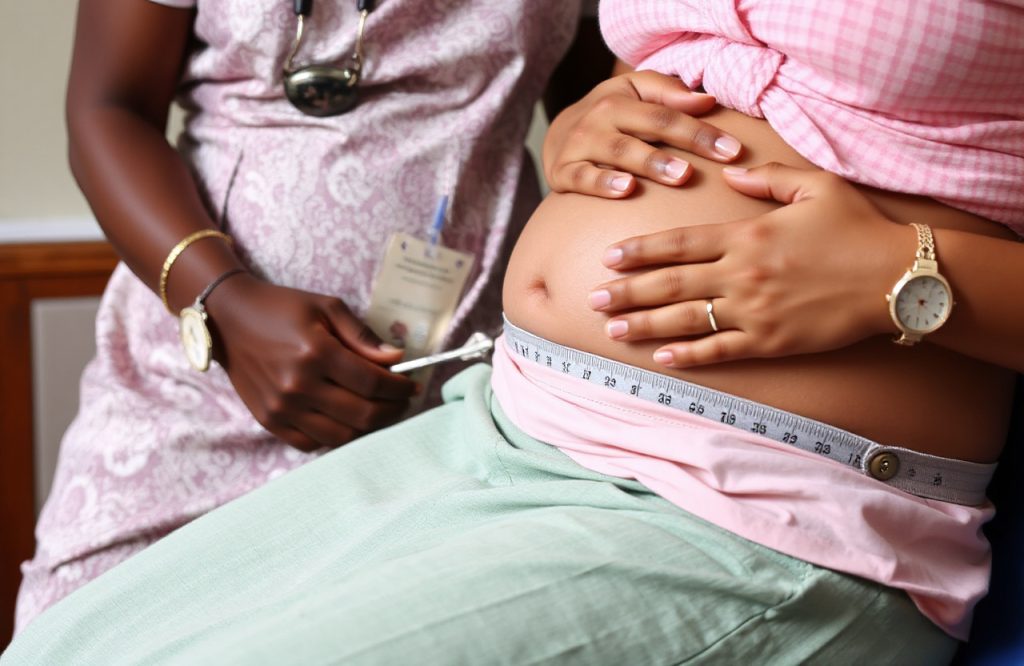
Preeclampsia Risk Linked to Pre-Pregnancy BMI in Tanzanian Women
Study Overview
Recent research from Tanzania indicates a significant correlation between pre-pregnancy body mass index (BMI) and the likelihood of developing preeclampsia. Women with a BMI exceeding 30 prior to conception are nearly twice as likely to experience this serious pregnancy complication compared to those with a BMI below 25. The exact cause of this relationship remains uncertain, with possibilities including the influence of overall body size relative to heart size or the impact of excess fat on circulatory function. Consequently, it is advisable for women planning to become pregnant to aim for a BMI below 25, or at least under 30, to reduce their risk of preeclampsia.
Preeclampsia: A Global Concern
Preeclampsia is characterized by high blood pressure during pregnancy, often accompanied by protein in the urine. This condition affects approximately 2-8% of pregnancies worldwide and contributes to at least 9% of maternal fatalities in Africa. Given the severity of preeclampsia and its role in increasing maternal mortality rates in low-income countries, effective prevention and management strategies are critical.
Research Methodology
The study, published in BMC Pregnancy and Childbirth, aimed to investigate the relationship between pre-pregnancy BMI and the risk of preeclampsia among Tanzanian women. Researchers utilized birth registry data from the Kilimanjaro Christian Medical Centre (KCMC), covering records from July 2000 to May 2013. They also examined how factors such as maternal high blood pressure, diabetes, and heart disease might explain this association.
Interviews were conducted with women 24 hours following delivery, utilizing a standardized questionnaire. The study excluded those with multifetal pregnancies and women referred for medical reasons, ultimately including 17,738 women with no more than one prior pregnancy. Preeclampsia was defined by the onset of gestational high blood pressure of at least 140/90 on two separate occasions, alongside protein in the urine.
Findings on BMI and Preeclampsia
The data revealed that women over 35 years old exhibited higher BMI levels, as did those classified as obese. Conversely, teenage mothers were more frequently categorized as underweight. Women with pre-existing conditions such as diabetes or high blood pressure had a higher prevalence of obesity compared to those without these health issues. Of the participants, 500 were diagnosed with preeclampsia, with the risk increasing alongside pre-pregnancy BMI. Specifically, obese women were 1.8 times more likely to develop preeclampsia than those with a normal BMI, while underweight women demonstrated a lower risk.
Study Strengths and Limitations
The study’s strengths include its large participant pool and the comprehensive data collected over a 13-year period, allowing for a thorough examination of potential confounding factors related to maternal health. However, one limitation is the reliance on self-reported weight, which may introduce bias. Additionally, dietary habits and nutrition could influence both BMI and preeclampsia risk, potentially skewing the results.
Conclusion
The findings suggest a clear association between pre-pregnancy BMI and the risk of developing preeclampsia among Tanzanian women, which aligns with similar observations in developed nations. Continuous monitoring of blood pressure throughout pregnancy is essential, particularly for overweight and obese women, to mitigate the risks associated with preeclampsia.
Written by Kimberly Spencer B.Sc. (Hons)
References: Mrema, D., Lie, R., Østbye, T., Mahande, M., & Daltveit, A. (2018). The association between pre-pregnancy body mass index and risk of preeclampsia: a registry-based study from Tanzania. BMC Pregnancy And Childbirth, 18(1).