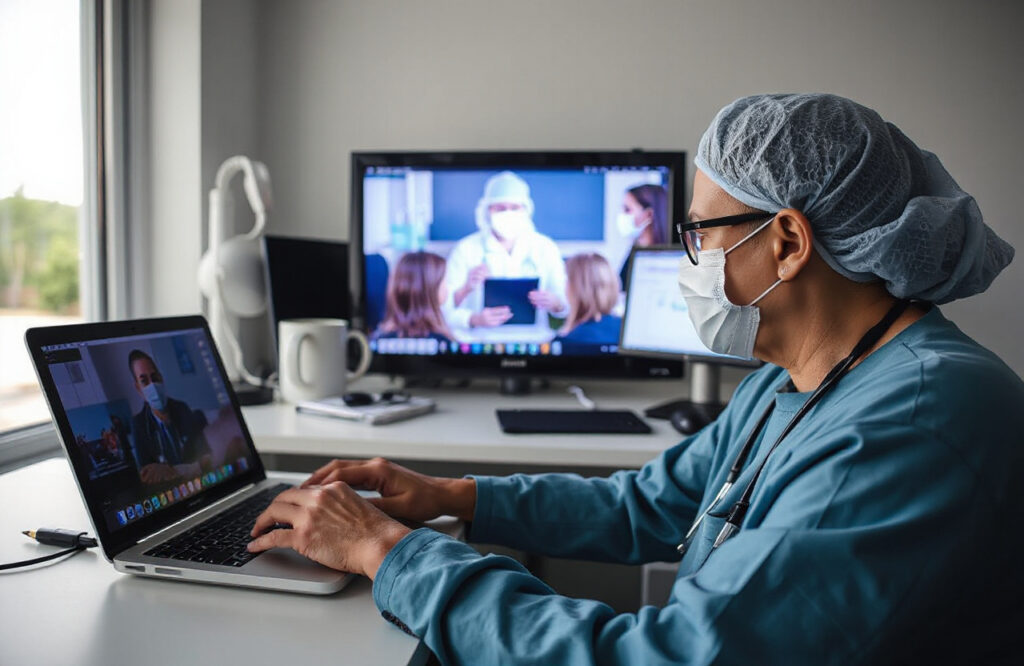
Utilizing Telemedicine During the Coronavirus Outbreak
Accessing Healthcare from Home
If you suffer from allergies or other minor health issues, you can still consult a healthcare professional from the comfort of your home during the coronavirus pandemic. U.S. health officials, clinics, hospitals, and insurance companies are encouraging individuals to utilize telemedicine for conditions such as ear infections, rashes, and earaches, instead of visiting a doctor’s office. This approach also provides a means to get screened for COVID-19 if you exhibit symptoms. The primary goal is to prevent the virus from spreading, especially among vulnerable populations, including the elderly, infants, and individuals with pre-existing health conditions.
The Importance of Telemedicine
Rather than waiting days for a traditional doctor’s appointment, virtual care has become a viable solution for many Americans. Although the adoption of telemedicine has been slow, the current circumstances present an opportunity to embrace this technology for our health needs.
Understanding Telemedicine
What is Telemedicine?
Telemedicine refers to the ability to connect with a healthcare professional using a smartphone, tablet, or computer. It is often referred to as telehealth or virtual visits. This service allows patients to consult with healthcare providers, such as doctors or therapists, remotely through secure communication channels. Patients typically use an application to connect with their providers, and some telemedicine platforms may even offer text-based consultations for those who cannot engage in video calls.
While telemedicine is primarily utilized for diagnosing and treating new health problems, it also serves long-term patients, such as those with chronic illnesses or diabetes. In addition to managing ongoing conditions, doctors can issue prescriptions for medications like antibiotics, allergy treatments, or dietary supplements following a virtual visit.
Where to Access Telemedicine
Telemedicine services are available through various providers, including individual practices and hospitals. During the pandemic, many healthcare providers are encouraging patients to utilize telehealth options. To find suitable telemedicine services, you can contact your local hospital or conduct an online search for reputable telehealth companies.
The federal government has made efforts to support individuals with Medicare, particularly citizens aged 65 and older, as well as younger individuals qualifying due to disabilities. These initiatives extend to state levels, urging local governments to enhance telemedicine access for Medicaid recipients and low-income individuals. Historically, Medicare coverage for telemedicine was limited to rural areas lacking nearby healthcare facilities, but many Medicare Advantage plans are now offering telemedicine support.
Cost of Telemedicine Services
The cost of telemedicine services can vary. However, many companies are waiving fees as part of the initiative to encourage the use of telehealth. It is advisable to check with your insurance provider or employer to determine if telemedicine is included in your health plan. Coverage may differ, particularly concerning specialty services like virtual therapy sessions.
For those without insurance, some telemedicine providers offer out-of-pocket payment options, with prices varying by provider. Regardless of the provider, all communications regarding diagnoses and treatments are secured under HIPAA regulations.
Conditions Managed Through Telehealth
Telemedicine can effectively address a range of conditions, including sinus infections, seasonal flu, minor injuries, and fevers. It can eliminate the need for in-person visits to a doctor’s office or pharmacy. Dermatologists can assess and treat issues like moles, warts, acne, and blisters through telemedicine. Additionally, therapists can provide support for patients experiencing anxiety, depression, or stress during the pandemic.
In cases of flu-like symptoms, cyber consultations can be particularly beneficial, as providers can administer preprogrammed questions to evaluate the patient’s health and prescribe appropriate remedies.
Limitations of Telemedicine
While telemedicine offers numerous benefits, there are limitations to consider. Virtual consultations cannot address medical emergencies, such as chest pains, fractures, or wounds requiring stitches. Additionally, virus testing cannot be conducted through telehealth services.
Adapting to Telemedicine
The integration of technology into healthcare has been developing for some time, but the COVID-19 pandemic has accelerated its use. This shift may have lasting implications for the future of healthcare, with patients who experience positive outcomes likely to advocate for its continued use.
Patients may initially be hesitant to try telemedicine, especially if it does not involve their regular healthcare provider. However, increasing awareness and promoting routine telemedicine use post-pandemic could significantly improve access to care where it is most needed.