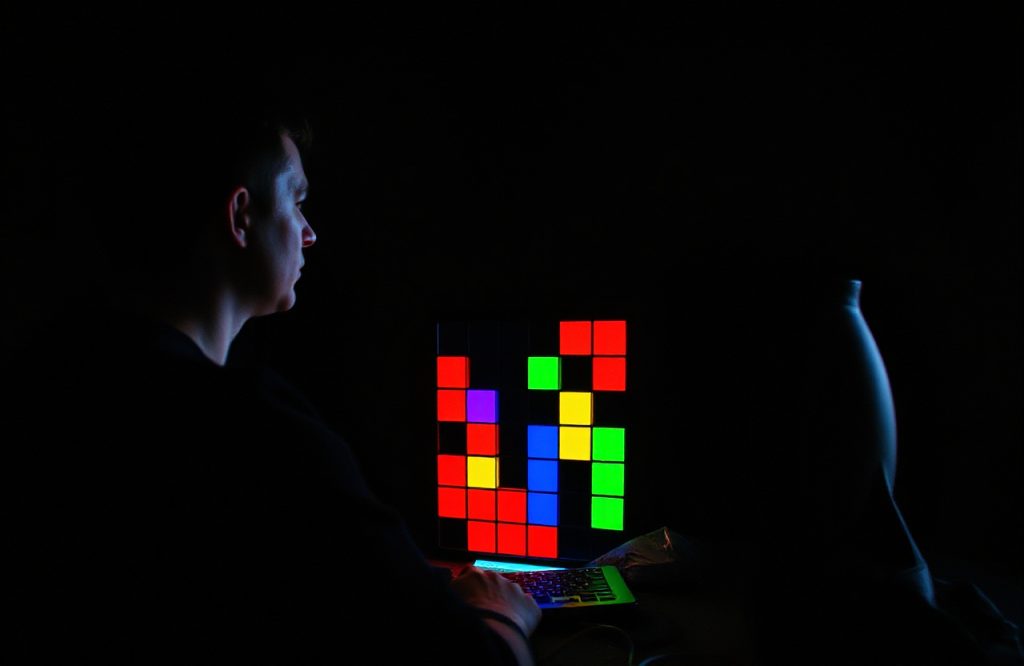
Tetris as a Potential Treatment for PTSD Flashbacks
Understanding PTSD and Flashbacks
Post-traumatic stress disorder (PTSD) is characterized by involuntary flashbacks, which are recurring visual memories of distressing experiences. These flashbacks can significantly affect the quality of life for individuals suffering from PTSD.
Research Findings from the Karolinska Institute
A study published in the Journal of Consulting and Clinical Psychology by researchers from the Karolinska Institute in Sweden indicates that playing Tetris, a popular puzzle game, may help alleviate PTSD symptoms. This approach offers a potential alternative to conventional therapeutic methods, which are often limited and difficult to access.
Study Methodology
The researchers, led by Kessler and colleagues, aimed to determine whether Tetris could replicate therapeutic benefits previously observed in PTSD patients. A decade earlier, they had found that flashbacks triggered by horror films were suppressed in a healthy population, prompting them to explore if similar outcomes could be achieved with PTSD patients.
The study involved 20 patients with complex cases of PTSD who participated in a unique intervention session alongside traditional group therapy during a five-to-ten week hospital stay. During the weekly sessions, patients visually recorded a stressful memory on paper and then shredded it without verbal acknowledgment. Subsequently, they played Tetris silently for 25 minutes.
Results of the Intervention
The results were significant. When patients targeted the content of their recorded memories, the frequency of corresponding flashbacks decreased by an average of 64% over time. In contrast, when the memories were not specifically targeted, the decrease in flashbacks was only 11%. A majority of the participants, 16 out of 20, responded positively to the intervention.
Implications of the Findings
Kessler and his team suggest that these results may stem from the brain’s visuospatial processing interference. Engaging in both the visualization of a stressful memory and playing Tetris demands similar cognitive resources, resulting in a conflict that temporarily destabilizes the memory trace, thereby reducing the likelihood of flashbacks when the memory is reactivated.
Kessler expressed hope that this research could lead to self-administered treatments for individuals who lack access to conventional therapy. While this intervention is not intended to replace more complex therapeutic approaches to trauma, the researchers are optimistic about the potential outcomes as their study progresses.
Future Research Directions
The current findings are preliminary, and the researchers emphasize the need for larger studies to validate the effectiveness of this innovative method. Successfully confirming its potential could pave the way for new strategies to address the core symptoms of PTSD.
References
Weiler, J. (2019). Alleviating flashbacks by playing Tetris. Retrieved from https://news.rub.de/english/press-releases/2019-01-08-post-traumatic-stress-disorder-alleviating-flashbacks-playing-tetris
Kessler, H., Holmes, E. A., Blackwell, S. E., Schmidt, A. C., Schweer, J. M., Bücker, A., … & Kehyayan, A. (2018). Reducing intrusive memories of trauma using a visuospatial interference intervention with inpatients with posttraumatic stress disorder (PTSD). Journal of consulting and clinical psychology, 86(12), 1076.