The Importance of Fiber in a Healthy Diet
Recommended Daily Intake
Fiber plays a crucial role in maintaining a healthy diet, with current guidelines suggesting that women should consume at least 25 grams and men should aim for 35 grams of fiber each day. For individuals with diabetes, higher fiber intake is often recommended.
Benefits of Oats
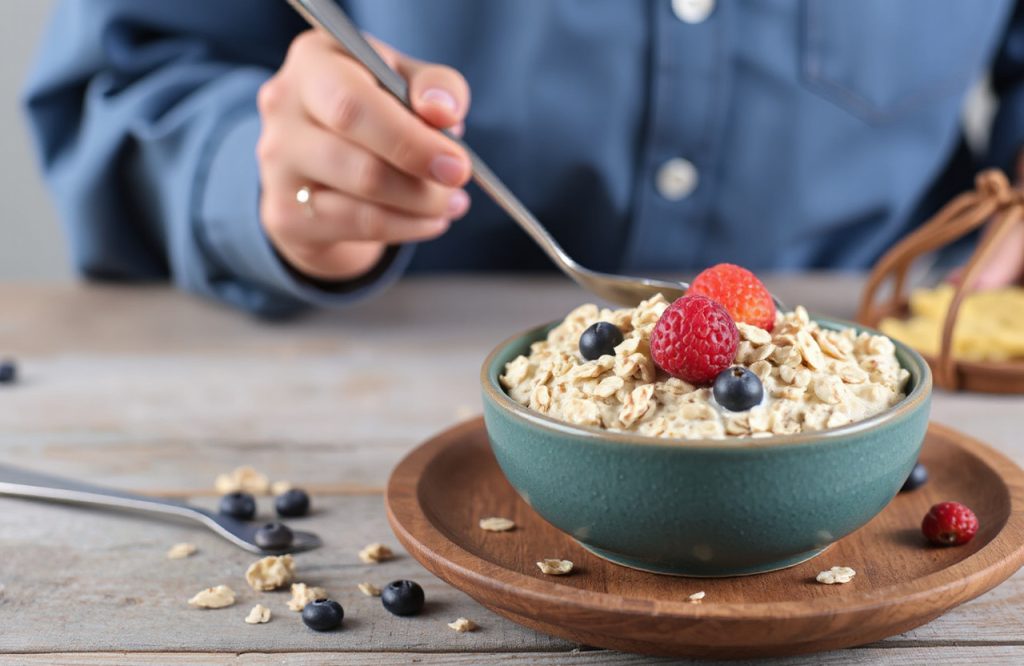
Oats are an excellent source of fiber, particularly a type known as beta-glucan, which is advantageous for diabetes management. Additionally, oats are gluten-free and rich in protein, vitamins, minerals, and antioxidants.
Health Benefits of Oatmeal for Diabetics
Lowers Cholesterol and Heart Disease Risk
Diabetes is closely linked to an increased risk of heart disease due to the damage high sugar levels can inflict on blood vessels and heart tissue. The fiber in oats possesses anti-inflammatory properties that may reduce the likelihood of developing heart complications over time. Furthermore, oat fibers can lower levels of LDL, or “bad” cholesterol, contributing to improved heart health and reduced blood pressure.
Controls Blood Sugar Levels
Managing high blood sugar is essential for individuals with diabetes. Oats can aid in this endeavor. Despite being high in carbohydrates, oatmeal has a low glycemic index (GI), meaning it does not cause rapid spikes in blood sugar levels. The fiber in oats helps slow down sugar absorption, promoting better blood glucose regulation.
Aids in Weight Management
Many individuals with diabetes struggle with overweight issues. Fiber is energy-dense and promotes feelings of fullness. The beta-glucan in oats keeps you satisfied for longer, helping to reduce overall calorie intake and assist with weight management.
Reduces Inflammation
While inflammation is a natural bodily response, excessive inflammation can negatively impact health. Type 2 diabetes often triggers chronic inflammation, leading to further complications. Oats contain a compound called avenanthramide, known for its anti-inflammatory properties, which may help mitigate the effects of inflammation and prevent the progression of diabetes.
Ways to Incorporate Oats into Your Diet
Types of Oats
Oats can be a beneficial addition to a diabetes-friendly diet. Here are various forms of oats and their characteristics:
Quick Oats
Quick oats are steamed oat groats that cook rapidly, making them a convenient meal option. However, their high glycemic index can lead to blood sugar spikes, making them less suitable for diabetes management.
Slow-Cooked Oats
Also referred to as rolled oats, these are created by steaming and flattening oat grounds. Although they are a good source of fiber, their glycemic index is still relatively high.
Steel-Cut Oats
Steel-cut oats, or Irish oats, are coarser and require a longer cooking time. They are the least processed type of oats and are considered the best option for individuals with type 2 diabetes.
Porridge
Porridge is made by cooking oat grounds in liquid until smooth. While oatmeal can be a nutritious breakfast, it’s important for diabetics to avoid adding excessive sugar, which can significantly elevate blood glucose levels.
Making Oatmeal Healthy
There are numerous methods to enhance the flavor of oatmeal while keeping it healthy. Consulting with a healthcare provider or a registered dietitian can help determine the best oat options and dietary practices tailored to individual needs.