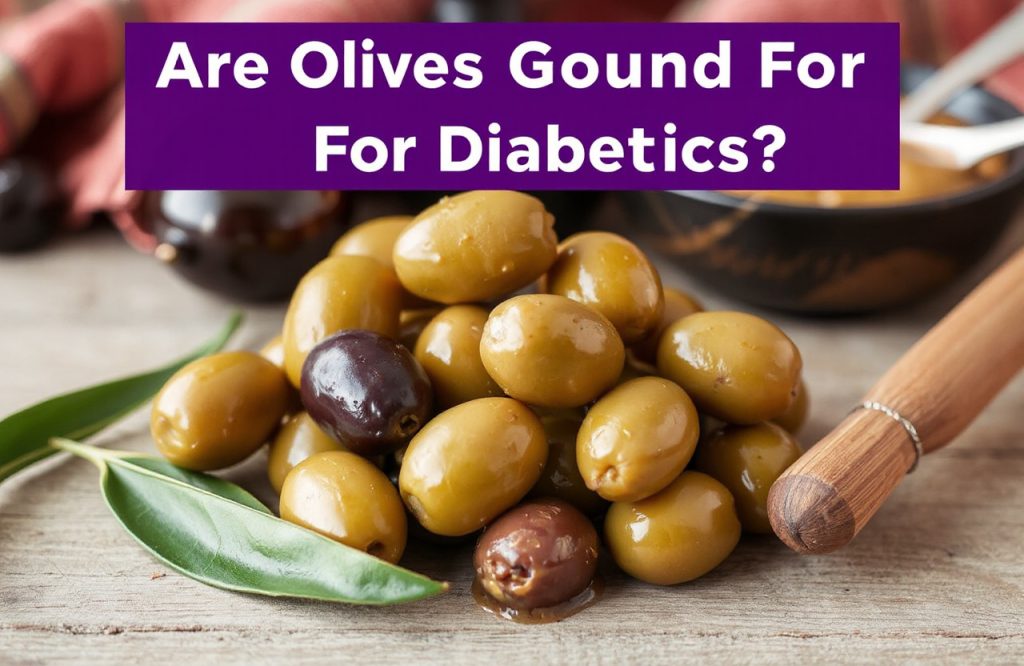
Understanding the Link Between Olives and Type II Diabetes
The Benefits of Olives for Heart Health and Diabetes
While olives are often praised for promoting heart health, they may also play a role in preventing type II diabetes. If you’re interested in how olives, olive leaves, and olive oil affect blood sugar and glucose control, continue reading to discover the connection between olives and diabetes.
Key Insights on Olives and Diabetes
This guide primarily focuses on type II diabetes, which is a chronic metabolic condition influenced by genetics and lifestyle choices. Unlike type I diabetes, which necessitates insulin injections due to pancreatic damage, type II diabetes can often be avoided or reversed through dietary modifications and increased physical activity.
The Mediterranean Diet and Its Impact
Olives and olive oil are integral parts of the Mediterranean diet, which is associated with the lowest risk of developing type II diabetes and cardiovascular diseases. This diet emphasizes the consumption of legumes, nuts, vegetables, fish, whole grains, and olive oil.
Oleuropein: A Key Compound in Olives
Olives contain oleuropein, a compound known to aid in insulin regulation and blood glucose control. However, it should not be regarded as a substitute for diabetes medication. Additionally, olive oil may help reduce obesity, a significant risk factor for type II diabetes.
GLP-1 Secretion and Blood Sugar Control
Olives can stimulate the secretion of GLP-1, a hormone that assists in blood sugar management. Extra virgin olive oil, in particular, may help mitigate post-meal blood sugar spikes for individuals with type I diabetes, but it is not a replacement for insulin therapy.
The Importance of Moderation
While olives can be beneficial, moderation is crucial. Overconsumption may negate the positive effects on glucose management. A balanced diet that includes olives can enhance overall health, but excessive intake can be counterproductive.
The Evidence Supporting Olive Consumption
The Mediterranean Effect
Numerous studies have highlighted the advantages of the Mediterranean diet for individuals with type II diabetes. The Prevención con Dieta Mediterránea (PREDIMED) trial, which commenced in 2003, involved over 7,000 participants and aimed to determine if adherence to this diet would lower the risk of developing type II diabetes. After four and a half years, those who followed the Mediterranean diet were found to be half as likely to develop diabetes compared to those who maintained a standard diet. Additionally, adherence to this diet was linked to a lower incidence of obesity and cardiovascular disease.
Understanding Olive Oil’s Role
Clinical trials examining oleuropein indicate that olives may assist the pancreas in regulating insulin levels. However, these effects are modest and cannot replace prescribed medication. While insulin production is vital, addressing insulin resistance is crucial for managing diabetes. Including olives in a healthy, low-calorie diet may help reduce insulin-resistant cells, improving the efficacy of the insulin produced by the pancreas.
Oleuropein and Its Effects
The high levels of oleuropein in olives can lower blood sugar by stimulating insulin secretion. Insulin is essential for maintaining normal blood sugar levels and ensuring the body’s internal equilibrium. Additionally, oleuropein enhances glucose transport and increases insulin sensitivity, which can help prevent hyperglycemia.
Clinical Research on Oleuropein
Preclinical studies suggest that oleuropein may have a preventative effect against diabetes, although further research is needed to confirm these findings. Clinical studies are also underway to evaluate the optimal intake and exposure duration of oleuropein for effective results and its suitability for diabetics.
Additional Health Benefits of Oleuropein
Beyond its diabetic benefits, oleuropein possesses antioxidant, anti-inflammatory, and anti-cancer properties. Its antioxidant capacity combats oxidative stress, which is significant since oxidative stress can contribute to insulin dysfunction.
Incorporating Olives into Your Diet
Here are some simple ways to add olives to your daily meals:
– Sliced olives in salads, sandwiches, or pasta dishes
– Olives as toppings for flatbreads or pizzas
– Olives combined with cheese and dried fruit for a snack
– Using olive oil instead of other cooking oils
Conclusion
For those managing diabetes, adopting lifestyle changes is essential for controlling blood sugar levels and maintaining overall health. Whether through increased physical activity or dietary adjustments, these strategies can significantly impact diabetes management. Always consult with your healthcare provider before making any changes to your diet or lifestyle.