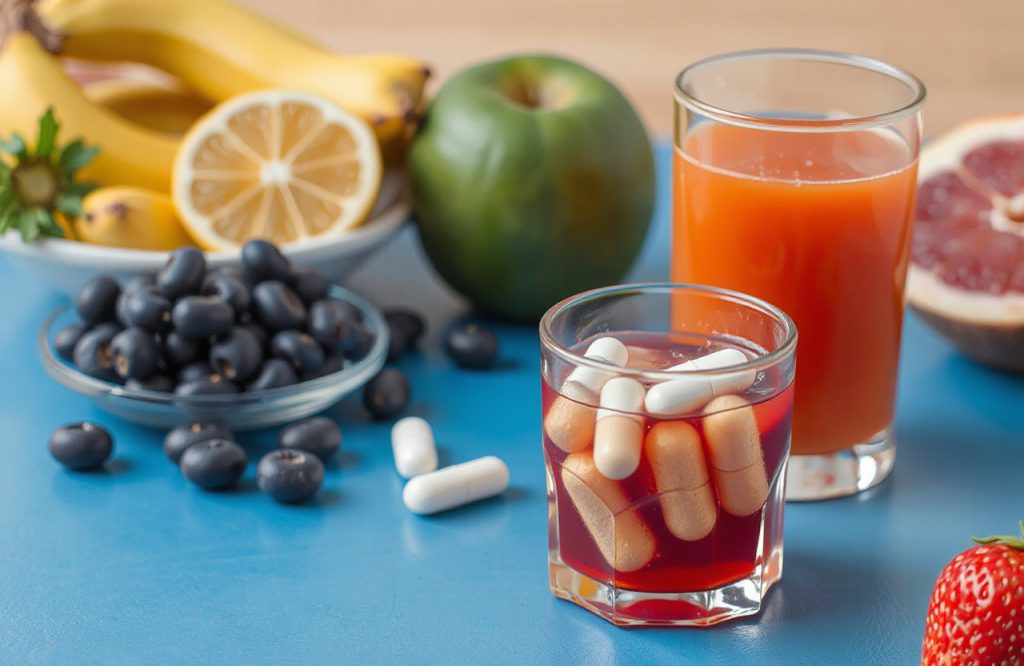
Fruit Juice and Drug Interactions: A Growing Concern
Introduction to Fruit Juice Interactions with Medications
Research over the past few years has indicated that certain blood pressure medications can have different effects when taken with grapefruit juice. In some instances, this combination has resulted in serious adverse effects. Increasing case reports suggest that numerous prescription medications may also interact dangerously with grapefruit juice.
Impact of Grapefruit Juice on Drug Levels
Studies have demonstrated that consuming as little as 200 ml of grapefruit juice can significantly elevate drug levels in the body, by 2 to 3 times. In addition to grapefruit, recent findings indicate that other fruit juices might also interfere with drug absorption.
Understanding Drug Interactions
A drug interaction is deemed clinically significant if it alters the therapeutic response of a medication. The primary clinical consequences of food-drug interactions include treatment failure, toxicities, or the emergence of effects that are not produced by either the drug or the food independently.
Clinical Relevance of Fruit Juice-Drug Interactions
Numerous studies have aimed to explore the mechanisms behind fruit-drug interactions. A recent review by Chinese researchers assessed various randomized controlled trials focused on the biochemical and physiological impacts of fruit juices, excluding grapefruit juice. The review, published in the Journal of Food and Drug Analysis, analyzed 46 trials and identified 22 juice-drug combinations with potential clinical significance.
Positive and Negative Effects of Juice-Drug Combinations
Fruit juices contain active components that may influence drug metabolism and transport. Positive interactions can enhance the absorption and bioavailability of certain medications. For example, beneficial interactions were noted between orange juice and the iron supplement ferrous fumarate, as well as lemon juice with Tc-tetrofosmin for cardiac imaging.
Conversely, adverse interactions can hinder the body’s ability to absorb a drug, reducing its bioavailability and potentially leading to toxic effects. Notable harmful combinations include apple juice with the antihistamine fexofenadine and orange juice with antihypertensive medications.
Mechanisms Behind Fruit Juice-Drug Interactions
Three key mechanisms govern these interactions:
1. **Organic Anion Transporting Polypeptides (OATP)**: These proteins facilitate drug absorption into cells. Certain substances in fruit juices can inhibit OATP, diminishing drug absorption.
2. **CYP3A4 Enzyme Activity**: This enzyme is crucial for drug metabolism. Some fruit components can inhibit or induce CYP3A4, affecting drug clearance and leading to serious reactions.
3. **Permeability Glycoprotein (P-gp)**: This protein regulates drug distribution and bioavailability. Food components that inhibit P-gp can elevate plasma drug levels.
Research indicates that apple and orange juices have less impact on CYP3A4 and P-gp compared to grapefruit juice, but they can still inhibit drug absorption through OATP.
Factors Influencing the Strength of Juice-Drug Interactions
The type and quantity of juice consumed significantly affect the strength of drug interactions. Moreover, factors such as the variety of fruit, the timing of juice consumption relative to drug intake, and individual characteristics like age and genetics can influence these interactions.
Whole Fruits and Their Interactions
Previously conducted studies have shown that both grapefruit juice and whole grapefruit can cause similar interactions with medications. Although there is limited direct comparison for other fruits, it is suggested that similar interactions may apply to whole fruits.
At-Risk Populations
Adolescents and young adults, who often self-medicate with over-the-counter and prescription drugs alongside high fruit juice consumption, may face increased risks of juice-drug interactions. Additionally, elderly individuals, who frequently take multiple medications, may also be vulnerable when consuming fresh fruits.
Conclusion and Recommendations
Research indicates that fruit juices, including orange and apple juice, can alter drug absorption, similar to grapefruit juice. While this review did not identify severely detrimental interactions aside from those involving grapefruit juice, it highlights the importance of educating patients to mitigate potential adverse effects. Greater research is warranted to further explore this clinically significant issue.
Reference
Meng Chen et al. Food-drug interactions precipitated by fruit juices other than grapefruit juice: An update review. Journal of Food and Drug Analysis 26 (2018) SS61-SS71. Doi.org/10.1016/j.jfda.2018.01.009