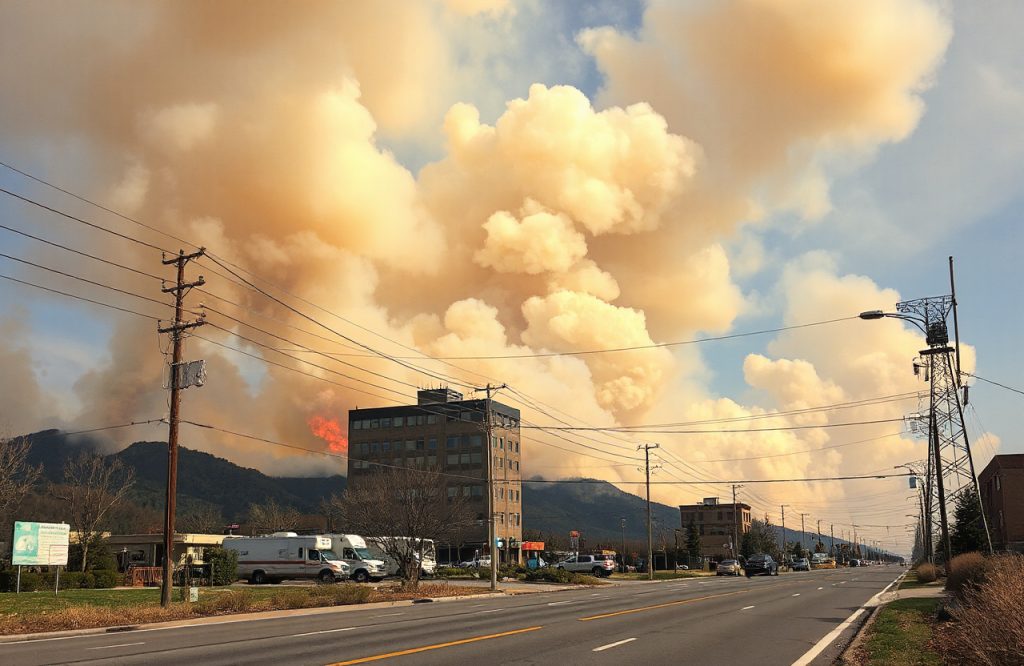
Impact of January 2025 Wildfires on Public Health in Los Angeles
Understanding Urban Smoke Hazards
The wildfires that swept through Los Angeles in January 2025 have sparked significant discussions regarding the public health risks posed by urban smoke. Unlike wildfires in remote areas, urban fires threaten air quality in ways that can result in serious long-term health consequences. Healthcare professionals, including general practitioners and nursing students, recognize that smoke and ash from these fires can lead to both immediate and chronic health issues.
The Dangers of Smoke Exposure
Smoke, regardless of its source, is hazardous for multiple reasons. It contains fine particulate matter (PM2.5) that can infiltrate deep into the lungs and even enter the bloodstream. This exposure can result in lung inflammation and severe damage to vital organs. Prolonged inhalation of smoke can lead to respiratory ailments, cardiovascular diseases, and even cancer.
Additionally, smoke emits various toxic gases, with carbon monoxide (CO) being particularly dangerous. Invisible and odorless, CO can diminish the blood’s oxygen-carrying ability, leading to symptoms such as headaches, dizziness, and in extreme cases, death. Emerging research is also examining the potential neurological impacts of smoke inhalation, with links to Alzheimer’s disease and other serious conditions.
Why the Los Angeles Fires Are Particularly Hazardous
The recent wildfires in Los Angeles are notably more perilous than typical fires due to several factors. Smoke can affect individuals even if the fire is located hundreds of miles away. Current estimates indicate that millions in the L.A. area are being exposed to wildfire smoke.
The danger escalates when fires burn through urban structures, releasing toxic chemicals from materials like furniture, paints, and electronics. Alongside common pollutants like PM2.5 and CO, residents may also inhale harmful substances such as dioxins, hydrogen chloride, and polycyclic aromatic hydrocarbons. A 2023 study highlighted that urban smoke contains heavy metals such as lead, chromium, and arsenic, which can detrimentally affect various bodily systems, including the brain and liver.
Moreover, environmental factors such as temperature inversions worsen the air quality by trapping smoke, further exacerbating the health risks associated with these wildfires.
Factors Contributing to Increasing Wildfire Incidents
Trends in Wildfire Areas
Statistics reveal a troubling trend: the areas burned by wildfires in the United States have been steadily increasing since 1985. The annual acreage affected is on the rise, with high-severity fires becoming more frequent.
Key Contributing Factors
Several elements contribute to this alarming trend. Climate change is a primary factor, as rising temperatures lead to increased fire risks. Higher temperatures also accelerate moisture evaporation, drying out vegetation and making it more susceptible to combustion.
Additionally, population growth and the expansion of the wildland-urban interface (WUI)—the zone where urban areas meet wild landscapes—further facilitate the spread of fires into populated regions.
Staying Safe Amidst Urban Smoke
Protective Measures for Communities
If you reside in an area affected by urban smoke, there are several steps you can take to safeguard your health and that of your loved ones:
– Monitor daily air pollution forecasts. Utilize color-coded indicators to determine when air quality is hazardous in your community. A reliable resource is the government tool available at https://www.airnow.gov/.
– Limit outdoor activities as much as possible. If you must go outside, wear a mask to reduce exposure.
– Invest in an air purifier to help remove smoke particles from your indoor environment.
– Keep windows and doors closed to prevent smoke from infiltrating your home.
– If feasible, stay with friends or family who live outside of the affected areas.
– For individuals with pre-existing respiratory conditions, such as asthma, consult your doctor for tailored advice on managing health during wildfire events.
Additional Safety Tips
During wildfire situations, remain attentive to your body’s signals. If you experience symptoms of smoke inhalation—such as coughing, wheezing, or trouble breathing—seek medical attention promptly. Stay informed by enabling alerts for updates on wildfires and air quality from local news outlets or the Environmental Protection Agency.
Preparation is crucial; stock up on essentials in case you need to remain indoors for an extended period. Wildfires and the associated smoke are serious threats, so taking necessary precautions is vital for your safety and well-being. Always adhere to guidance from local authorities regarding health and safety measures.
Disclaimer
The editorial team of Medical News Bulletin did not participate in the creation of this article. The opinions expressed herein are those of the advertiser and do not reflect the views of Medical News Bulletin. The organization does not accept responsibility for any losses or damages arising from the use of products or services mentioned in this sponsored content, nor does it endorse any of the products, services, or links featured.