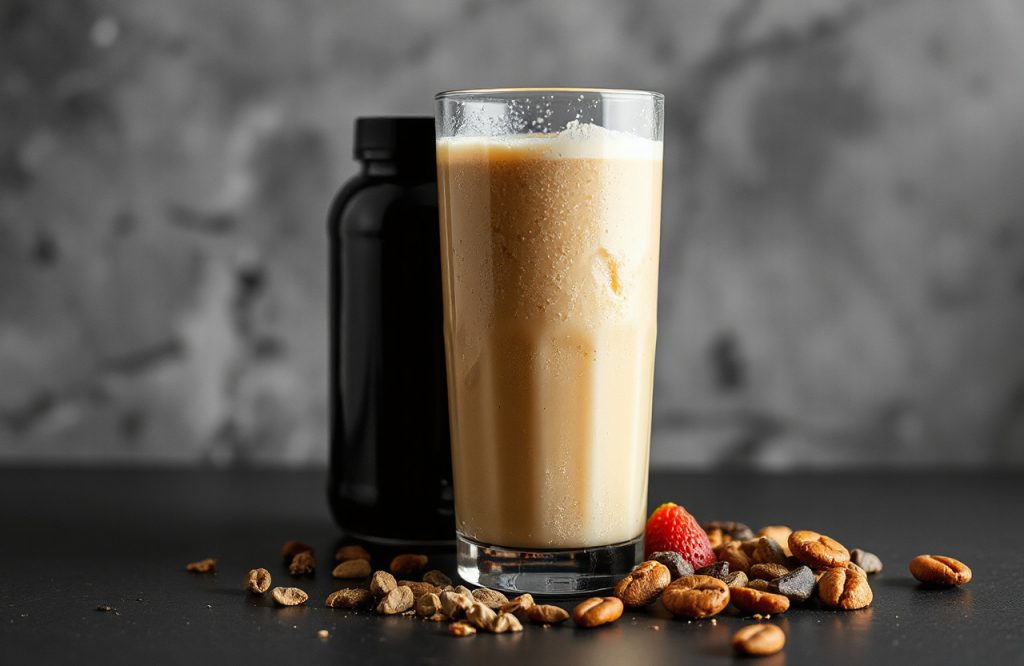
Study Investigates Protein Shakes and Muscle Soreness
Importance of Protein in Diet
It is well-established that protein plays a crucial role in the structure of bones, muscles, skin, and blood. Over the years, protein supplements, including protein powders and shakes, have gained popularity as effective means to increase dietary protein intake. Many fitness enthusiasts consume protein shakes post-workout, believing that protein aids in repairing muscle tissue.
Research Overview
However, the efficacy of protein shakes in preventing muscle soreness is under scrutiny. A recent study conducted by researchers at the University of Lincoln in the UK, published in the Journal of Human Kinetics, examined the effects of protein shakes on muscle pain after exercise.
Study Design and Methodology
The study involved thirty male participants, each with a minimum of one year of resistance training experience. They were divided into three groups and underwent a resistance training session comprising four sets of eight repetitions of various exercises, including squats, bench presses, deadlifts, military presses, and bench pulls, using 75% of their one-rep maximum weight.
Post-exercise, one group consumed a whey protein and dextrose drink, the second group had a milk-based drink, while the third group received a dextrose-only drink. Each beverage contained approximately 530 kilocalories of energy, with the dextrose drink offering only carbohydrates. The other two drinks provided around 32 grams of protein and 98 grams of carbohydrates.
Results of the Study
Participants rated their muscle soreness levels 24 and 48 hours after the workout on a scale from 0 (no soreness) to 200 (maximum soreness). They also underwent strength assessments to evaluate muscle function.
All groups reported increased muscle soreness post-exercise, with a mean soreness level exceeding 90, compared to approximately 20-25 prior to the workout. Additionally, all groups experienced a decrease in muscle strength following the session. Notably, there was no significant difference in muscle soreness or strength loss among the three groups.
Conclusions and Implications
These findings indicate that there may be no substantial difference in muscle recovery among the groups, suggesting that protein shakes might not be as crucial for recovery as commonly believed. Further research is necessary to explore the effectiveness of protein shakes in muscle recovery.
Reference
Gee, T. I., Woolrich, T. J., & Smith, M. F. (2019). Effectiveness of Whey Protein Hydrolysate and Milk-Based Formulated Drinks on Recovery of Strength and Power Following Acute Resistance Exercise. Journal of Human Kinetics, 68, 193–200. doi: 10.2478/hukin-2019-0066 (2019, September 2). Protein shakes may not be the answer for post-gym muscle pain. Retrieved from https://www.eurekalert.org/pub_releases/2019-09/uol-psm090219.php
Image by 5132824 from Pixabay.