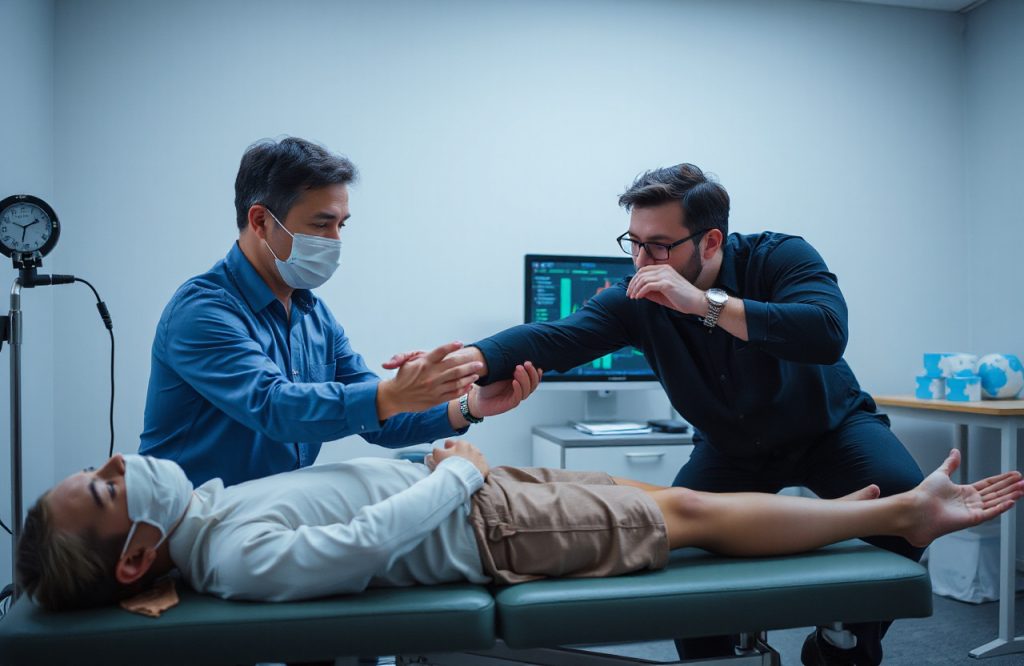
Research on Virtual Physical Therapy Post-Knee Replacement
Introduction to the Study
Recent research has compared the effectiveness of virtual physical therapy to traditional in-person therapy following total knee replacement surgery. The rate of total knee replacements has surged in recent years and is projected to continue rising. Post-surgery, physical therapy is essential for patients to fully rehabilitate and utilize their new knee joints. However, the high cost of therapy and insurance limitations on visit numbers can pose challenges for patients. Additionally, a shortage of physical therapists is anticipated, particularly affecting those in rural areas who often lack access to such services.
Details of the Study
Researchers from Duke University conducted a study to evaluate a virtual physical therapy program’s effectiveness and cost-saving potential for patients. Their findings were published in The Journal of Bone & Joint Surgery. The study involved adult patients scheduled for total knee replacement surgeries between November 1, 2016, and November 23, 2017. Prior to surgery, patients in the virtual therapy group had the necessary equipment installed in their homes and were provided with recommended exercises for postoperative care.
The study included 306 participants, divided randomly into two groups: one receiving traditional physical therapy and the other engaging in virtual therapy. After surgery, researchers measured patients’ pain levels, gait speed, and instances of falls during inpatient care.
Virtual Therapy Process
Patients in the virtual therapy group connected with their virtual physical therapist weekly and had the flexibility to engage in as much therapy as they wished. They also attended in-person follow-up appointments at two and six weeks post-surgery. Conversely, the traditional therapy group followed their doctors’ recommendations for in-person visits with physical therapists.
At the six-week mark, all patients returned to the clinic for assessments of their gait speed and knee flexion/extension, with the study concluding 12 weeks after the surgery. Researchers evaluated the costs incurred by both groups based on Medicare reimbursement rates.
Cost and Outcome Comparisons
The findings revealed that the expenses for patients undergoing virtual therapy were significantly lower—nearly two-thirds less than those receiving traditional therapy. Specifically, the average cost for virtual therapy was $1,050, compared to $2,805 for traditional therapy. Additionally, patients utilizing virtual therapy logged more therapy days per week, experienced fewer rehospitalizations, and reported less difficulty with knee function during sports activities compared to their traditional therapy counterparts. Both groups exhibited similar results in gait speed and knee flexion/extension; however, the virtual therapy group recorded a higher incidence of falls.
Conclusion and Implications
This study indicates that virtual physical therapy is as safe and effective as traditional physical therapy following total knee replacement surgery. However, it does not address the anticipated shortage of physical therapists in the future, highlighting a significant area for further exploration.
Reference
Prvu Bettger J, Green C, Holmes D et al. Effects of Virtual Exercise Rehabilitation In-Home Therapy Compared with Traditional Care After Total Knee Arthroplasty. The Journal of Bone and Joint Surgery. 2020;102(2):101-109. doi:10.2106/jbjs.19.00695