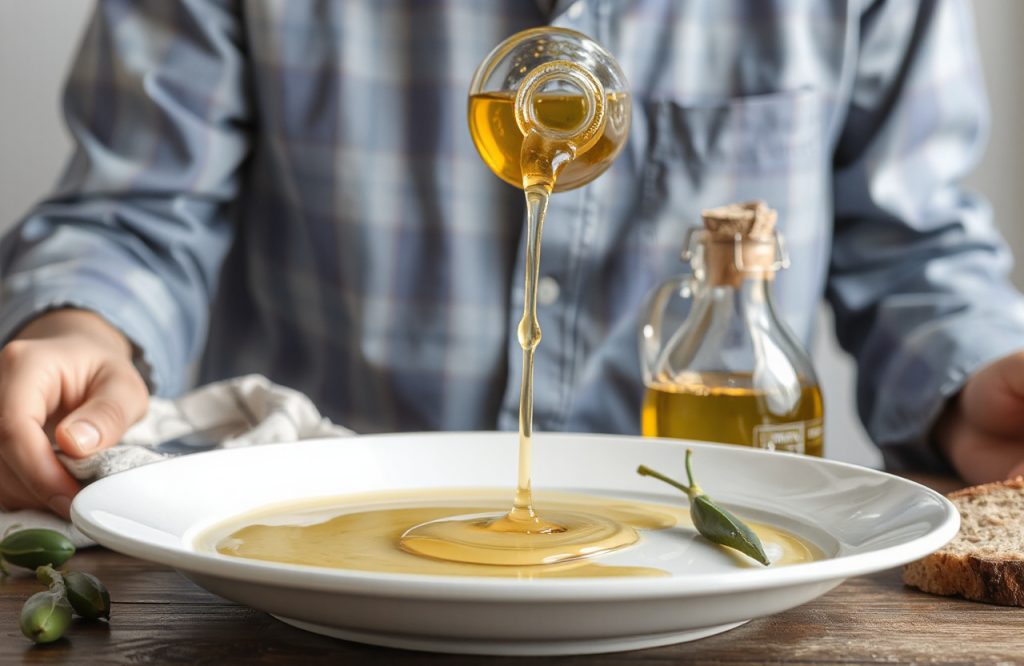
Health Benefits of Extra Virgin Olive Oil Even When Cooked at High Temperatures
Study Insights on Extra Virgin Olive Oil
Recent research published in the journal Antioxidants highlights that extra virgin olive oil (EVOO) remains a healthy choice for cooking, even at elevated temperatures. EVOO is rich in fatty acids, antioxidants, and polyphenols, which are primarily responsible for its numerous health benefits.
Health Benefits of Polyphenols
Previous studies have demonstrated that polyphenols can offer protection against various health conditions, including cancer, cardiovascular diseases, neurodegeneration, and diabetes. Additionally, antioxidants play a crucial role in preventing the formation of harmful cholesterol.
Research Methodology and Domestic Cooking Context
Earlier research investigating EVOO often took place in controlled environments, such as laboratories or microwaves, which may not accurately reflect typical cooking practices at home. In everyday cooking, EVOO is frequently utilized not only as a salad dressing but also for high-temperature cooking methods, including deep-frying, pan-frying (sautéing), roasting, and stir-frying. Concerns have been raised about whether high heat could lead to the degradation of polyphenols, potentially reducing the oil’s health benefits.
Experimental Findings on Polyphenol Degradation
To better understand the effects of high temperatures on EVOO, researchers simulated a home kitchen environment by sautéing EVOO at two distinct temperatures: 120°C and 170°C. They assessed cooking durations of 30 and 60 minutes at 120°C and 15 and 30 minutes at 170°C. A mass spectrometer was employed to measure the degradation of polyphenols.
The results indicated a significant reduction in polyphenol content post-cooking. Specifically, at 120°C, polyphenol levels decreased by 40%, while at 170°C, the reduction was 75%. Interestingly, the duration of cooking did not appear to significantly impact overall polyphenol degradation.
EVOO’s Health Status Despite High-Temperature Cooking
Despite the breakdown of some polyphenols at high temperatures, EVOO still retained sufficient levels of polyphenols and antioxidants to be deemed healthy according to the European Union’s standards. The EU classifies oil as healthy if it can inhibit the formation of bad cholesterol.
Incorporating EVOO into Your Cooking
The Mediterranean diet, known for its abundance of fruits, vegetables, nuts, beans, and grains, has been linked to improved metabolic and cardiovascular health in a large 2011 study. This diet prominently features EVOO as a primary cooking fat. To maximize the health benefits of EVOO, adopting Mediterranean cooking practices may be beneficial.
Conclusion
In summary, while high-heat cooking can affect the polyphenol content of extra virgin olive oil, it still offers significant health benefits, making it a valuable addition to a balanced diet.