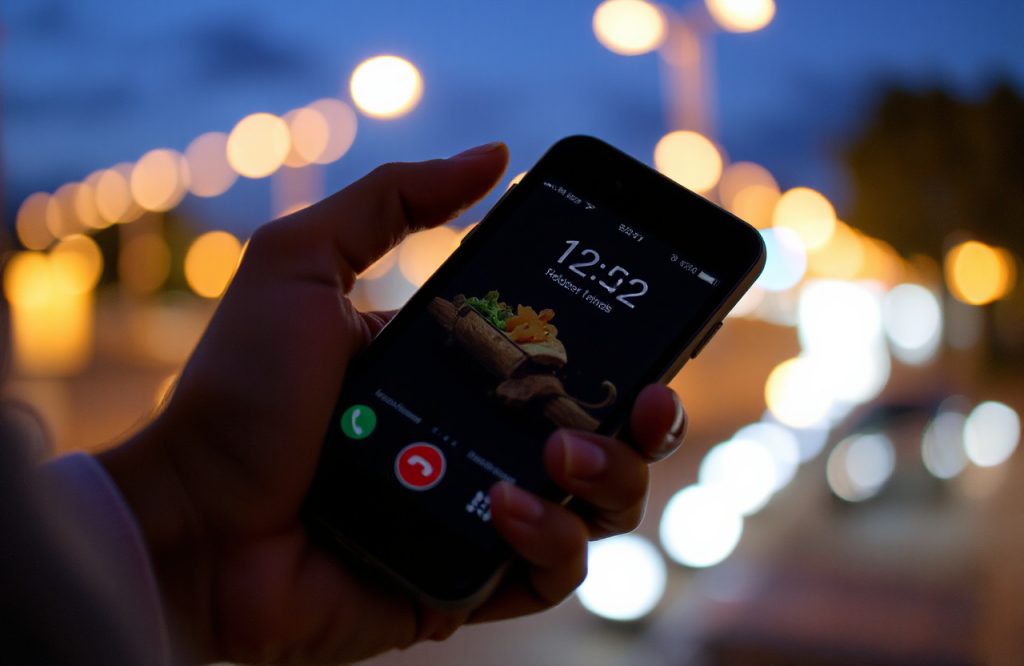
Impact of Smartphones on Sleep Patterns and Health
Study Overview
A recent study has examined how smartphone usage affects sleep patterns and overall health. The findings suggest that smartphones may not be significantly worse than other devices. However, the impact of smartphones on sleep quality can be quite harmful.
Effects on Sleep Quality
Being awakened during sleep can diminish sleep quality and lead to adverse effects on both mental and physical health. Smartphones are known to disrupt “slow-wave” sleep, which is the deepest phase of rest. Disruptions in this stage can result in poor sleep quality and, subsequently, negative health consequences.
Research Limitations
While studies on smartphones and sleep are not new, many rely on self-reported data from individuals and often focus on younger adults or teenagers, which may skew results.
Objective Investigation
One study aimed to objectively investigate the influence of smartphone usage on sleep by monitoring participants overnight. Published in PLOS One, the research involved 815 individuals who were provided smartphones equipped with software to continuously track their activity during sleep.
Key Findings
The researchers discovered that about one-third of participants used their phones within the first two hours of sleep. Additionally, 12-15% of individuals were active on their phones during the night, primarily engaging in text messaging. Notably, 41% of participants experienced at least one night of disrupted sleep due to smartphone activity, resulting in less than six hours of uninterrupted rest.
Health Implications
The study indicated that frequent interruptions from smartphone use were linked to poorer health outcomes, including an increased likelihood of being overweight. Despite this correlation, no significant mental or physical health issues were associated with sleep interruption, which contrasts with other research that often connects poor sleep with depression.
Conclusions and Considerations
The findings raise concerns about the relationship between smartphone use and weight gain, suggesting that sleep loss could contribute to metabolic dysfunction. However, the study does not establish a direct causal link between smartphone usage and the observed health effects. It is possible that participants who were already awake used their phones to alleviate boredom. Additionally, other devices, such as televisions, may also impact sleep quality.
Reference
Rod NH, Dissing AS, Clark A, Gerds TA, Lund R (2018) Overnight smartphone use: A new public health challenge? A novel study design based on high-resolution smartphone data. PLOS ONE 13(10): e0204811. https://doi.org/10.1371/journal.pone.0204811