Impact of Dietary Patterns on Hyperuricemia: A Chinese Study
Introduction to Hyperuricemia and Gout
A recent study from China, published in the British Journal of Nutrition, explored the relationship between dietary habits and hyperuricemia, a significant contributor to gout. Diet and nutrition play essential roles in overall health, with prior research indicating that specific foods may be linked to various metabolic diseases. Hyperuricemia occurs when uric acid levels in the blood are excessively high, leading to gout, a type of arthritis characterized by uric acid crystals forming in the joints. Factors influencing high uric acid levels include sex, age, genetics, and dietary choices.
Study Overview
The researchers investigated the dietary patterns of Chinese adults recently diagnosed with hyperuricemia. The study involved 1,422 adults with elevated uric acid levels and an equal number with normal levels, with findings published in the British Journal of Nutrition.
Methodology
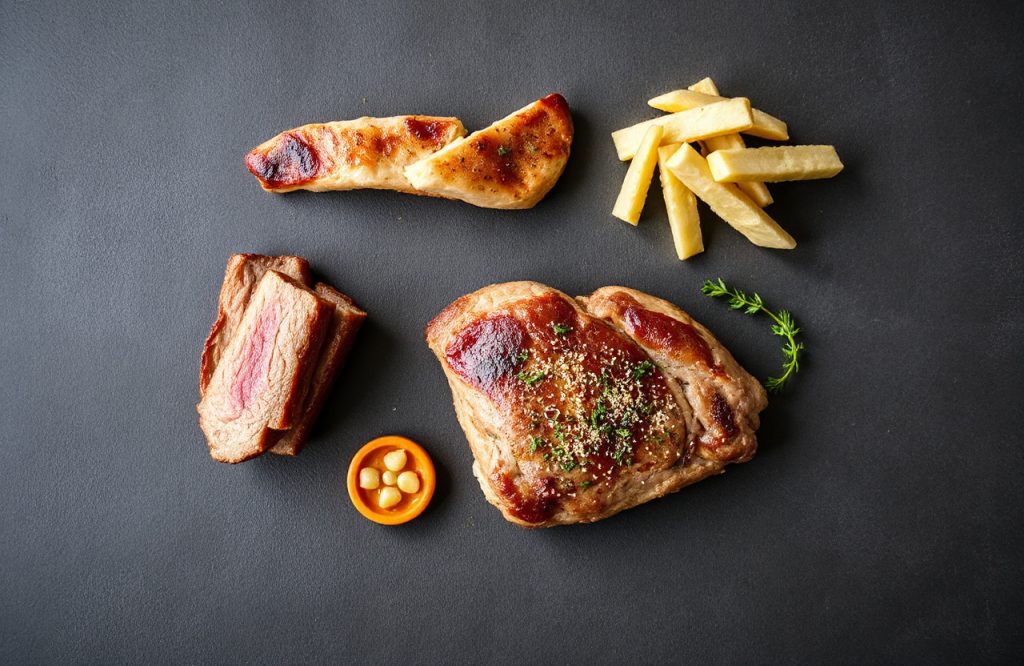
Using a food frequency questionnaire that encompassed 100 food items, researchers assessed participants’ dietary patterns. They identified three primary dietary patterns: “sweet,” “vegetable,” and “animal foods.” The “sweet” pattern was characterized by high consumption of candied fruits, cookies, cakes, and ice cream. The “vegetable” pattern included frequent intake of vegetables, whole grain cereals, and soya products. Meanwhile, the “animal foods” pattern was defined by the presence of seafood, animal organs, and processed meats.
Participants also provided socio-demographic information (including sex, age, and education) and lifestyle details (such as smoking and drinking status, sleep habits, and exercise frequency). Basic health measurements, including blood pressure and cholesterol levels, were recorded. Individuals who reported significant lifestyle changes in the past five years were excluded from the analysis.
Findings
After adjusting for various demographic and lifestyle factors, the study revealed that participants newly diagnosed with hyperuricemia were more likely to adhere to the “animal foods” dietary pattern. Additionally, those who consumed substantial amounts of sugary drinks and sweet snacks had a higher likelihood of the condition.
Conclusion
By considering numerous behavioral, socio-demographic, and lifestyle factors, this study emphasizes the significant impact diet has on elevated uric acid levels. A dietary intake rich in seafood and processed meats correlates with increased uric acid levels, whereas a vegetable-rich diet appears to have no association with hyperuricemia.
Written by Cindi A. Hoover, Ph.D.
Reference: Xia Y et al. A dietary pattern rich in animal organ, seafood, and processed meat products is associated with newly diagnosed hyperuricaemia in Chinese adults: a propensity score-matched case-control study. 2018. British Journal of Nutrition 119:1177-1184. doi:10.1017/S0007114518000867