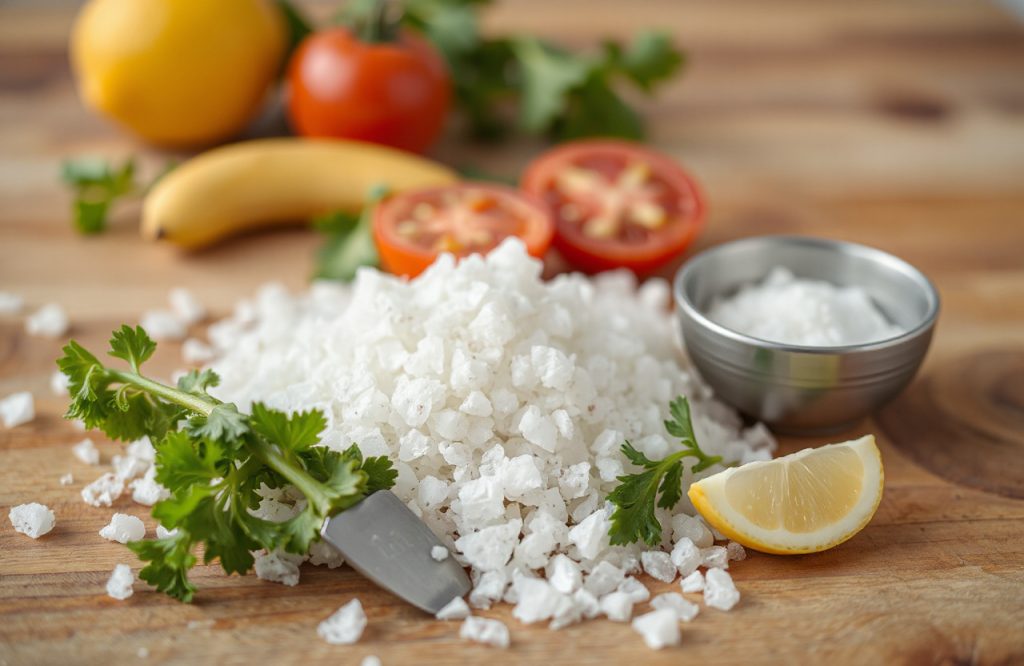
Investigating the Link Between Salt Intake and Obesity
The Role of Salt in Our Diet
Many individuals have been advised by healthcare professionals to reduce their salt consumption. While salt plays a crucial role in our bodily functions and culinary practices, excessive intake has been linked to high blood pressure. This issue is particularly prevalent among those following a Western diet, where the use of salt in food preparation is often more pronounced.
New Research Findings
Recent research from the University of Colorado has shed light on an additional potential consequence of high salt consumption: the development of obesity. The findings, published in the Proceedings of the National Academy of Sciences of the United States of America, suggest that excessive salt intake may contribute to weight gain.
Understanding the Mechanism
It has long been established that high salt consumption leads to increased blood pressure, as the kidneys work to eliminate excess salt, triggering a hormonal response that constricts blood vessels. However, salt may also impact obesity through a different mechanism.
Animal studies indicate that elevated salt intake can disrupt liver enzymatic functions. Carbohydrates consumed must be converted into usable sugars, but when salt interferes with this process, the liver compensates by producing these sugars independently. Researchers observed elevated fructose levels in subjects consuming higher salt diets.
The Implications of Fructose Production
The liver’s production of sugars in the form of fructose is significant, given that fructose has been linked to insulin resistance. This resistance affects how blood sugar is utilized, leading to increased appetite and eating behaviors in individuals with impaired glucose metabolism. Such patterns can result in ongoing weight gain and obesity and may contribute to a cycle of unhealthy eating and metabolic syndrome.
Quality of Diet Over Quantity
These findings suggest that weight gain may not solely be a matter of caloric intake but also the quality of the diet. Thus, maintaining a healthy lifestyle requires awareness of both the quantity and the nature of food consumed. In particular, reducing salt intake may lead to less flavorful dishes but could promote healthier living.
Reference
Lanaspa, et al. “High salt intake causes leptin resistance and obesity in mice by stimulating endogenous fructose production and metabolism.” 2018: Proceedings of the National Academy of Sciences of the United States of America (115): 12. www.pnas.org/lookup/suppl/doi:10.107/pnas.1713837115.