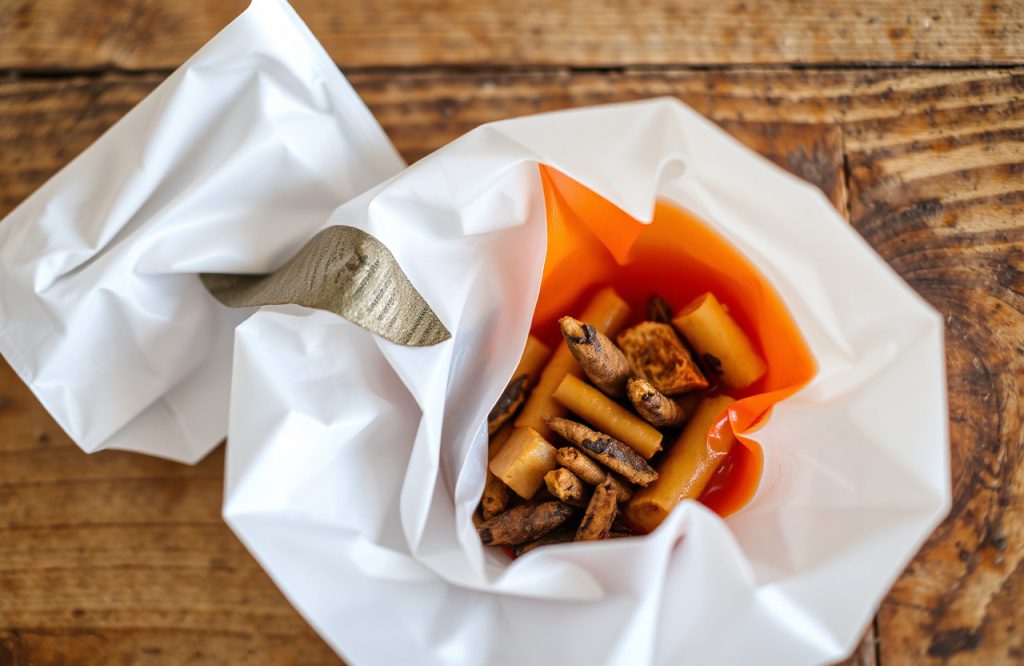
Plastic Tea Bags Found to Release Micro and Nanoparticles
Health Risks Associated with Tea Consumption
A recent study from Canada raises concerns about the health risks associated with drinking tea. Conducted by Laura M. Hernandez and her team at McGill University’s Department of Chemical Engineering in Montreal, the research investigates whether plastic tea bags release micro and nanoparticles into water during boiling, in comparison to non-plastic tea bags.
Study Findings on Particle Release
The study revealed that boiling plastic tea bags resulted in the release of micro and nanoparticles into the water. Specifically, researchers identified an astonishing 11.6 billion microparticles and 3.1 billion nanoparticles, primarily composed of nylon and polyethylene terephthalate, in a single cup of tea.
Impact on Aquatic Life
In the second phase of their research, the team explored the interaction of these particles with living organisms. They used a small planktonic crustacean known as Daphnia magna for this purpose. The crustaceans were divided into two groups: one exposed to water containing micro and nanoparticles from plastic tea bags and the other in a control environment. After assessing their body size with a stereomicroscope and conducting CT scans along with 3D reconstructions, the researchers found plastic particles within the intestines of Daphnia magna exposed to contaminated water.
Implications for Human Health
This experiment underscores the potential for micro and nanoparticles from plastic tea bags to be ingested by microorganisms. However, the implications for human health require further investigation to fully understand the risks involved.
The Broader Context of Plastic Pollution
The study comes at a time when plastic pollution is gaining significant attention in research. In 2015 alone, global plastic production reached 407 million tons, with about 150 million tons entering the oceans. This growing concern highlights the urgent need to address the environmental and health impacts of plastic waste.
References
1. Hernandez, L., Xu, E., Larsson, H., Tahara, R., Maisuria, V., & Tufenkji, N. (2019). Plastic Teabags Release Billions of Microparticles and Nanoparticles into Tea. Environmental Science & Technology.
2. Ebert, D. (2005). Ecology, Epidemiology and Evolution of Parasitism in Daphnia. National Center for Biotechnology Information (US).
3. Rhodes, C. (2018). Plastic Pollution and Potential Solutions. Science Progress, 101(3), 207-260.
4. Bouwmeester, H., Hollman, P., & Peters, R. (2015). Potential Health Impact of Environmentally Released Micro- and Nanoplastics in the Human Food Production Chain: Experiences from Nanotoxicology. Environmental Science & Technology, 49(15), 8932-8947.
Image by congerdesign from Pixabay.