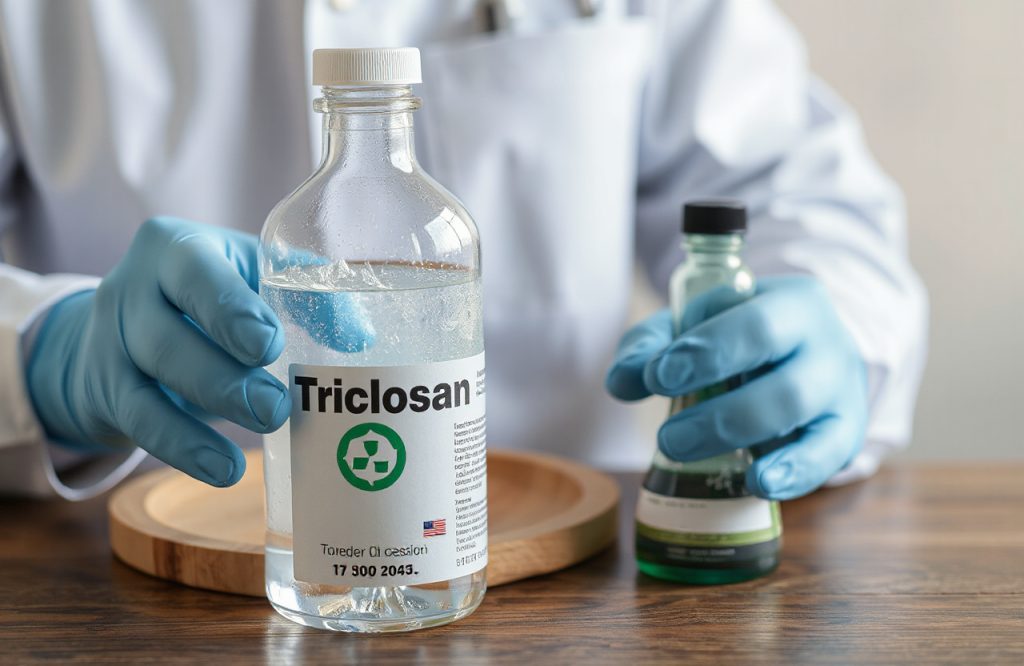
New Research Uncovers Risks of Triclosan
Overview of Triclosan
A recent study published in *Science Translational Medicine* reveals concerning health risks associated with triclosan, a widely used antimicrobial agent found in many household products. While regulations limit exposure to potentially carcinogenic chemicals—substances that can cause cancer at low levels—ongoing research into their effects is crucial for informing future health policies and protecting consumer wellbeing.
Triclosan is an antimicrobial compound commonly utilized in various products, such as toothpaste, cosmetics, and toys. It is estimated that almost the entire U.S. population encounters this chemical at different life stages. Additionally, triclosan ranks among the most prevalent environmental pollutants. Although high exposure levels are known to be harmful, the impact of triclosan at lower doses remains largely unexplored.
Investigating Health Risks
A research group from the U.S. aimed to assess the potential health risks of prolonged exposure to triclosan using animal models. Their findings were recently published in *Science Translational Medicine*.
Inflammatory Effects of Triclosan
The study began with a brief exposure of mice to low doses of triclosan, which resulted in colonic inflammation and exacerbated conditions in models of colon cancer. Researchers discovered that triclosan alters the composition of healthy gut bacteria, leading to increased inflammation. To further explore the mechanisms behind this inflammatory response, the scientists utilized genetically modified mice lacking TLR4, a crucial protein involved in immune signaling. These modified mice did not exhibit colon inflammation, indicating that TLR4 signaling plays a significant role in the adverse effects of triclosan.
The findings of this study highlight that even at low doses, triclosan can have detrimental health impacts in animal models. The researchers pinpointed the involvement of gut bacteria and TLR4 signaling in the inflammatory responses triggered by this common antimicrobial agent.
Call for Further Research
There is a pressing need for more comprehensive investigations into the health effects of triclosan to enhance our understanding of this chemical. The data presented in this study, along with future research, could instigate significant changes in the regulations governing triclosan’s use by federal agencies worldwide, ultimately aiming to improve consumer health and safety.
Reference
Yang H, Wang W, Romano KA, Gu M, Sanidad KZ, Kim D, Yang J, Schmidt B, Panigrahy D, Pei R, Martin DA. A common antimicrobial additive increases colonic inflammation and colitis-associated colon tumorigenesis in mice. *Science Translational Medicine*. 2018 May 30; 10(443): eaan4116.