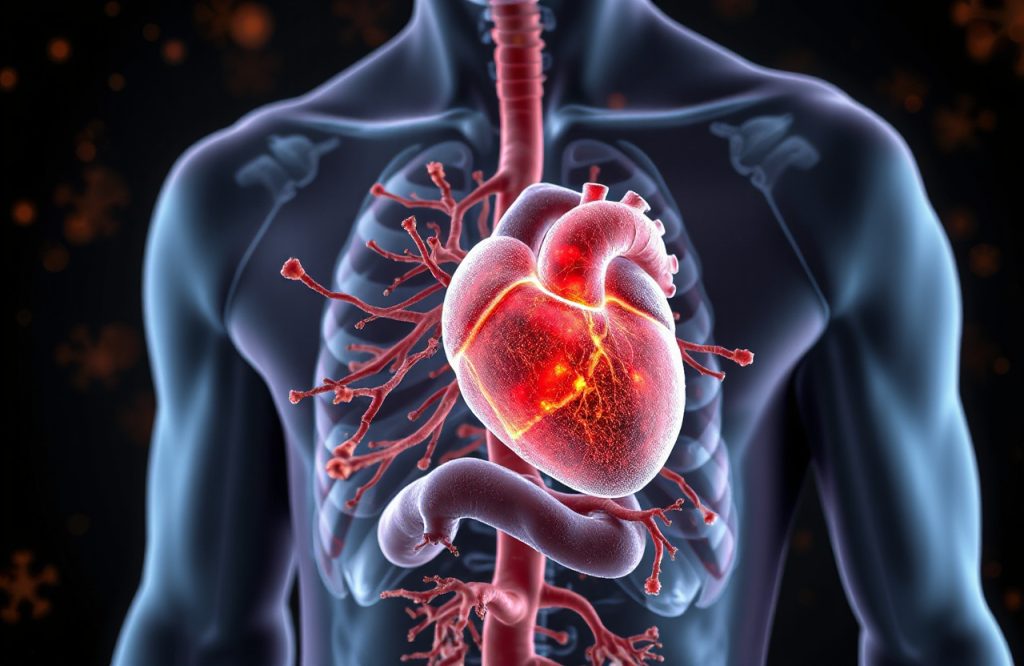
Impact of Gut Microbiome on Heart Health in the Elderly
Understanding Ageing and Cardiovascular Challenges
A recent study has explored how alterations in the gut microbiome affect heart health, highlighting potential connections between gut health and arterial dysfunction as individuals age. Ageing introduces numerous health challenges, with cardiovascular disease being the most significant concern for the elderly population, their families, and healthcare systems. As the elderly demographic continues to expand, it is crucial to understand the structural and functional changes, such as arterial stiffness, that negatively impact heart health and elevate the risk of cardiovascular disease.
Ageing and Heart Health Deterioration
The primary factor contributing to declining heart health in older adults is increased oxidative stress and chronic inflammation, which lead to arterial stiffness and generalized endothelial dysfunction. Research indicates that a decrease in the bioavailability of nitric oxide (NO)—an essential mediator of vascular relaxation—underlies the endothelial dysfunction associated with ageing. Additionally, ageing may increase the breakdown of nitric oxide due to heightened oxidative stress and inflammation, creating a cycle of inflammation, oxidative stress, and reduced nitric oxide availability, all of which adversely affect heart health.
The Gut Microbiome and Arterial Dysfunction
The complex relationship between the trillions of microbes residing in our gut and various bodily systems significantly influences heart health. The gut microbiome can contribute to heart disease in several ways. For instance, harmful bacteria may penetrate the intestinal lining and enter the bloodstream, leading to systemic inflammation. Furthermore, certain gut bacteria, when exposed to high-protein diets, produce harmful metabolites like trimethylamine N-oxide (TMAO), which is associated with plaque formation in arteries. Conversely, beneficial gut bacteria generate short-chain fatty acids that help protect heart health by regulating blood pressure, emphasizing the need for a balanced gut microbiome.
Research Findings on Ageing and Gut Health
A study conducted by researchers at the University of Colorado Boulder examined how the gut microbiome influences arterial function as individuals age. Published in the Journal of Physiology, the study involved young and old mice to uncover links between age-related arterial dysfunction and the gut microbiome. Researchers administered broad-spectrum antibiotics to both young and old mice to eliminate gut bacteria, subsequently assessing vascular health and arterial stiffness. They measured inflammatory markers, free radicals, antioxidants, and nitric oxide levels in the blood of both age groups.
Results of Antibiotic Treatment on Heart Health
Notably, old mice treated with antibiotics exhibited significant improvements in heart health. Following three to four weeks of treatment, the microbiome suppression restored arterial health in the older mice to levels comparable to those of younger mice. In contrast, there were no observable changes in vascular health among the young mice. To investigate the mechanisms underlying vascular dysfunction in older mice, the researchers sequenced fecal samples and compared the gut bacteria of both age groups.
Effects of Ageing on Gut Microbial Diversity
Ageing is associated with reduced microbial diversity in the gut, leading to an imbalance known as dysbiosis, which is linked to various age-related diseases. Genetic analysis revealed that certain bacteria may contribute to cardiovascular disease. The study found a higher prevalence of pro-inflammatory microbes, such as proteobacteria and Desulfovibrio, in older mice. Additionally, levels of TMAO, a metabolite closely tied to atherosclerosis, were significantly elevated in the older mice compared to their younger counterparts. The researchers suggest that ageing triggers dysbiosis, prompting gut microbiota to produce harmful chemicals like TMAO, which contribute to inflammation, oxidative stress, and tissue damage.
Promoting Gut Diversity for Heart Health in Older Adults
The researchers are continuing to investigate how diet influences gut diversity. They emphasize that using antibiotics to drastically reduce gut bacteria is not a viable strategy for preventing cardiovascular disease. Instead, diets rich in probiotics—found in foods like yogurt, kimchi, and kefir—along with prebiotic fibers may enhance heart health by fostering a healthy gut microbiome. Researchers are optimistic that future dietary supplements may be developed to support heart health by inhibiting bacterial enzymes necessary for producing harmful metabolites like TMAO.
Conclusion: The Future of Gut Health and Heart Disease
This study underscores the connection between age-related gut dysbiosis and the onset of oxidative stress and inflammation, which negatively impacts heart health in the ageing population. Promising therapies targeting the gut microbiome may emerge to prevent and treat age-related arterial dysfunction. In light of these findings, the adage that the way to a man’s heart is through his stomach may take on new significance.
Written by Preeti Paul, MS Biochemistry
Reference: Vienna E. Brunt et al., Suppression of the gut microbiome ameliorates age-related arterial dysfunction and oxidative stress in mice. J Physiol 00.0 (2019) pp1-18. DOI: 10.1113/JP277336