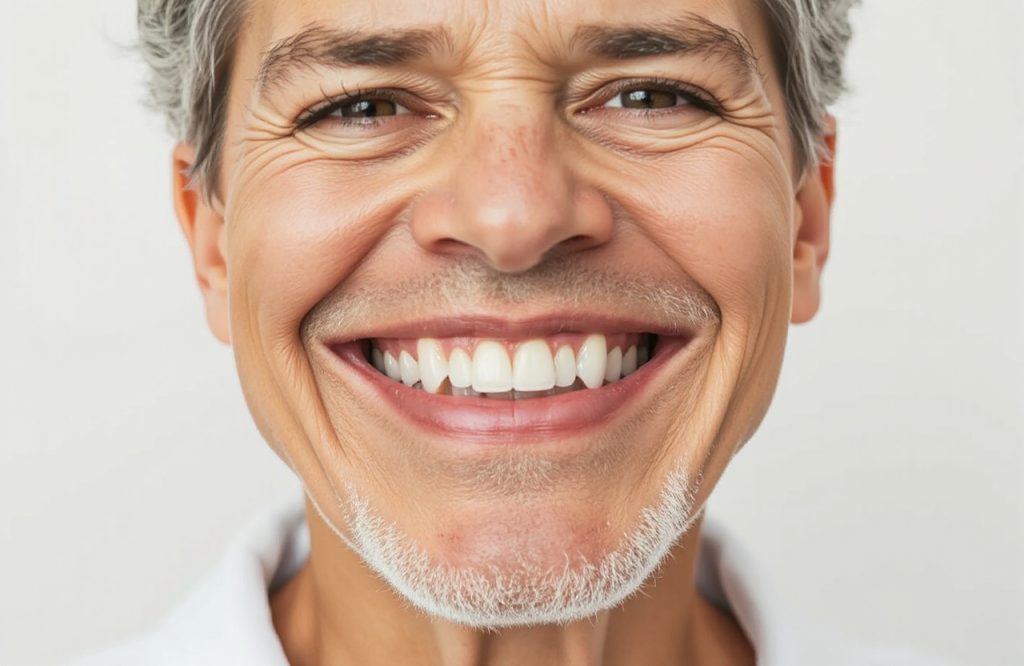
The Impact of Aging on Oral Health
Understanding the Signs
A sudden jolt from ice water can be a stark reminder that our teeth, like other parts of our body, age too. While there may not be anything immediately wrong, this sensation signals that oral health deserves attention. Recently, discussions surrounding oral health have gained prominence alongside topics like mobility and heart health. This focus is crucial, as discomfort in the mouth can transform eating, speaking, and smiling into burdensome tasks.
Initial Indicators of Change
The journey begins with enamel, the protective layer of the teeth. Over time, this layer wears down from biting into hard foods. Once compromised, hot meals, ice cream, or sugary treats can cause discomfort. Years of brushing can also contribute to enamel erosion, revealing the yellowish dentin beneath, which may dull the brightness of one’s smile.
Small chips and rough edges may develop from everyday activities like munching on popcorn or accidentally biting utensils. Even with diligent care, wear and tear accumulates.
Missing teeth or an unstable bite can create subtle discomforts in daily life. Crunchy foods become difficult to enjoy, and clear speech may be compromised. Consulting a professional at a denture clinic can provide relief, allowing some to eat pain-free again and enhancing speech clarity over time. These solutions not only improve appearance but also bolster overall oral health, leading to gradual comfort improvements.
The Role of Gums and Bone
Support System for Teeth
Teeth depend on a robust support system that also ages. Gums can recede, exposing areas more susceptible to decay, which can make teeth appear longer. Additionally, dry mouth presents another challenge. Saliva plays a crucial role in maintaining oral cleanliness; when saliva production decreases, plaque accumulates more rapidly, often resulting in cavities near the gumline.
Teeth also stimulate the jawbone, maintaining its structure. Without this stimulation, the bone may shrink, impacting facial appearance and the positioning of replacement teeth.
Effects of Pressure on Teeth
Teeth are not immune to the effects of pressure. Many individuals unknowingly grind their teeth during sleep, leading to flattened chewing surfaces and cracked fillings over time. Moreover, the vibrancy of a smile can diminish with age as enamel thins, exposing darker dentin beneath.
Pain on one side of the mouth often prompts individuals to favor the other side for chewing, which can alter jaw movement and place extra pressure on specific teeth.
The Consequences of Tooth Loss
Understanding the Ripple Effect
Untreated decay or gum issues can lead to tooth loss, as can past injuries. When chewing becomes more challenging, individuals may unconsciously shift towards softer food options, potentially decreasing protein intake without realizing it.
For minor damage, a basic filling can suffice, while crowns provide support for weakened teeth. Bridges can replace one or two missing teeth by anchoring to nearby healthy teeth, and dentures serve as a removable solution for multiple missing teeth. Implants, utilizing metal posts in the jaw, offer a long-lasting support option.
The emotional implications of oral health are significant. Many people may cover their mouths when laughing, avoid photos, or refrain from dining out due to fears of discomfort, inadvertently limiting their social lives.
Maintaining Oral Health with Age
Proactive Strategies for a Strong Smile
Aging does not equate to neglecting oral health; it requires a revised approach. Using soft-bristled brushes after meals can protect enamel. Dentists can identify issues before they escalate, so it’s essential to seek help for dry mouth or mention habits like jaw clenching, which may undermine oral health.
Regular dental checkups are vital, even in the absence of discomfort. Tooth pain often signals advanced problems that have been developing silently. Early intervention typically leads to simpler and more manageable solutions.
While teeth will inevitably change over time, a healthy smile can endure. With appropriate care and timely intervention, enjoying meals and maintaining confidence can remain feasible, regardless of age.