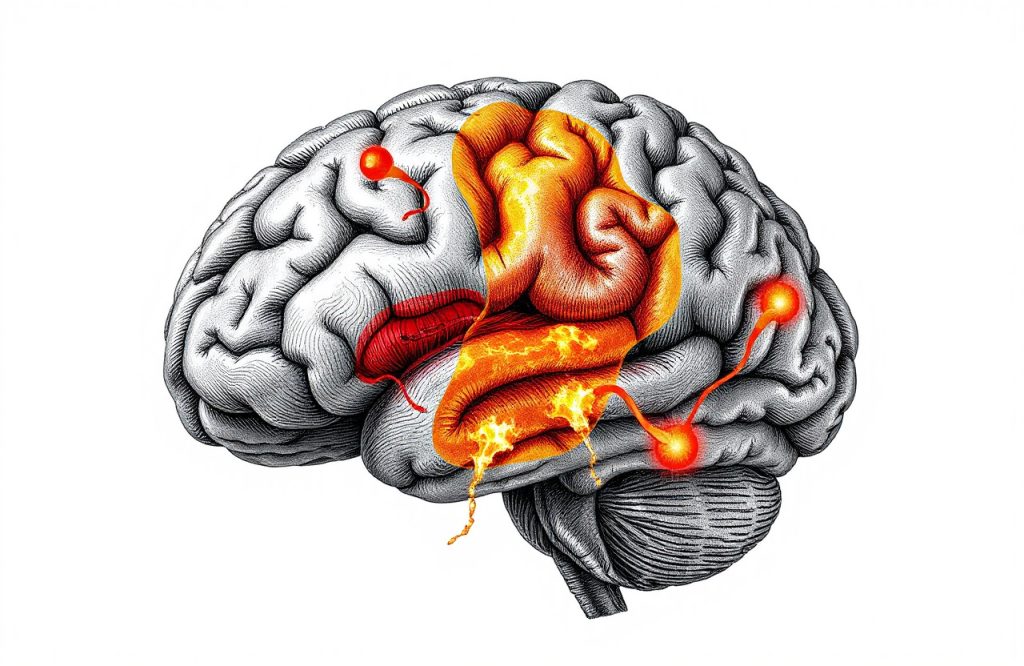
Study on Cocaine Addiction and Brain Response
Research Overview
A collaborative study conducted by researchers from Canada, the United States, and South Korea examined how mice self-administer cocaine to simulate human addiction. The focus was on analyzing the brain’s response during initial use, withdrawal, and subsequent re-exposure after withdrawal.
Key Findings
The researchers discovered that cocaine use can reprogram the brain’s reward circuitry, significantly changing how the brain reacts to cocaine over time. Their findings were published in the journal *Biological Psychiatry*.
Identifying Brain Patterns
The study revealed three distinct brain response patterns:
1. First-time exposure to cocaine
2. Re-exposure to cocaine following withdrawal
3. Re-exposure to a saline solution that mimics cocaine use behavior without the actual drug
Each of these patterns showed both similarities and differences in gene expression.
Implications for Drug Development
Researchers noted that the affected genes might serve as promising targets for developing treatments for cocaine addiction. A notable discovery was the gene cyclic adenosine monophosphate response element binding protein 1 (CREB1), which exhibited similar alterations across all stages of cocaine use. The team hypothesizes that CREB1 could play a crucial role in initiating addiction by modifying the brain’s circuitry to favor cocaine consumption.
Gene Response to Cocaine
Additionally, several genes were found to be influenced by acute cocaine doses, regardless of the animal’s previous cocaine exposure. These genes may be directly impacted by cocaine itself. Other genes were identified that are primarily associated with cocaine withdrawal.
Potential for New Treatments
When comparing mice in withdrawal who were re-exposed to either cocaine or the saline solution, researchers identified changes in a distinct set of genes that emerge only after a period of cocaine dependency. These genes may be linked to the regulation of addictive behaviors.
Conclusion
This study provides detailed insights into the brain’s response to cocaine addiction, revealing information not available in previous research. The findings could pave the way for innovative drug-based treatments for addiction and further exploration of cocaine’s effects on the brain’s reward system.
Reference
Walker, D.M. et al. (2018). Cocaine self-administration alters transcriptome-wide responses in the brain’s reward circuitry. Biological Psychiatry. doi:10.1016.