Impact of the Great Recession on Alcohol-Related Deaths
Study Overview
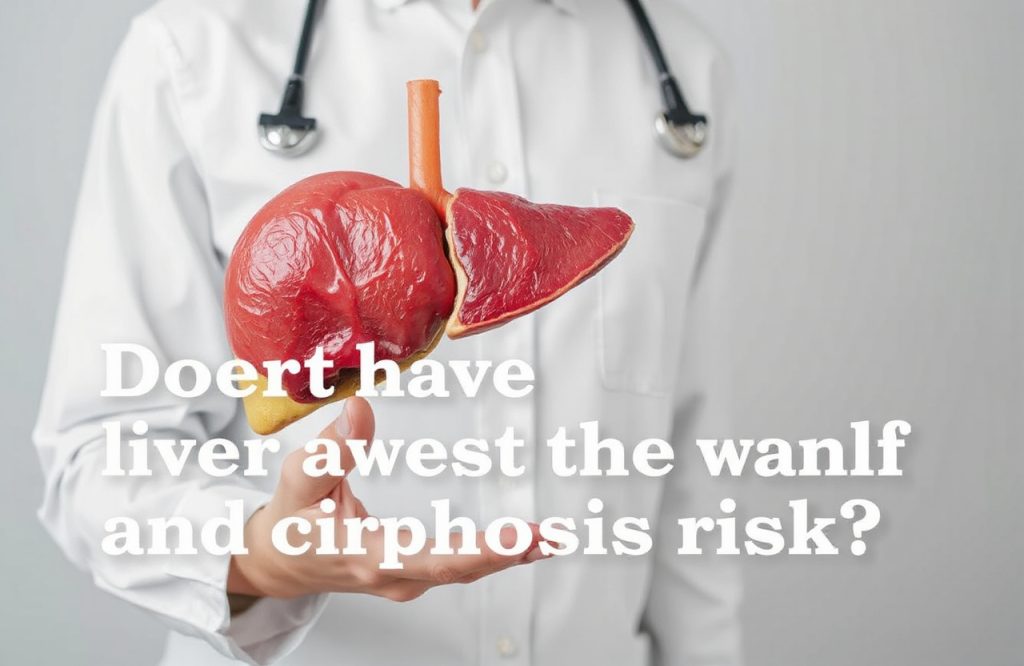
A recent study published in the BMJ indicates a correlation between the Great Recession, which began in 2007, and an increase in alcohol-related deaths stemming from cirrhosis and liver cancer. The liver is crucial for detoxifying blood and producing vitamin K, essential for proper blood clotting. When the liver sustains damage or disease, its ability to perform these functions diminishes.
Cirrhosis: A Complication of Liver Disease
Cirrhosis represents a significant complication of liver disease characterized by progressive inflammation and scarring of liver tissue. Excessive alcohol consumption and hepatitis are the primary causes. The chronic impairment of liver function leads to various symptoms, including fatigue, appetite loss, abdominal swelling, itchy or easily bruised skin, and jaundice. As there is no cure for cirrhosis, treatment focuses on slowing tissue damage and preventing liver cancer, which is often linked to cirrhosis. While individuals with cirrhosis can live for many years, those with advanced cases may require a liver transplant and often face a poorer prognosis.
Research Findings
Study Team and Hypothesis
A research team led by Dr. Tapper from the University of Michigan investigated the effects of the 2007 financial crisis on the rates of liver disease, cirrhosis, and liver cancer. The researchers hypothesized that the subprime mortgage crisis and the resultant loss of homes and properties, which impacted 4 million individuals, could lead to increased alcohol and drug use among Americans, similar to trends observed in Russia following the Soviet Union’s collapse. The study utilized data from State Death Registries and the Centers for Disease Control and Prevention, with results published in The BMJ.
Mortality Rates and Trends
From 2009 to 2016, deaths from hepatocellular carcinoma (liver cancer) doubled to 11,073, with the most significant increase occurring in 2008. The authors attributed this rise in mortality to individuals with pre-existing advanced liver disease, who were likely to succumb to their conditions due to increased alcohol consumption under financial stress. Prior to the recession, cirrhosis rates among Americans had been declining by approximately 0.5% per year from 1999 to 2008. However, from 2009 to 2016, the rates climbed by 3.4%. The relationship between economic conditions and liver disease was most pronounced in Kentucky, New Mexico, and Arkansas, with the highest increase in cirrhosis rates occurring among individuals aged 25-34, at 10.5% annually, amounting to a 65% increase overall.
Binge Drinking Among Youth
This sharp rise in cirrhosis rates has been linked to increased binge drinking among American youth, with reports indicating that one in six Americans binge drinks weekly. Binge drinking poses its own risks, such as engaging in dangerous activities, sustaining injuries, and exacerbating existing health conditions like diabetes. Dr. Tapper emphasized the concerning trend of younger patients in clinics succumbing to cirrhosis, highlighting the need for strategies to address binge drinking and its associated culture to reduce premature deaths among young Americans.
Conclusion
The findings of this research underscore the significant impact of the Great Recession on public health, particularly concerning liver disease and alcohol-related fatalities. Addressing binge drinking through effective strategies is essential for mitigating these alarming trends among youth.
References
Tapper, E. B., & Parikh, N. D. (2018). Mortality due to cirrhosis and liver cancer in the United States, 1999-2016: observational study. BMJ, 362, k2817. http://dx.doi.org/10.1136/bmj.k2817
Cirrhosis – Symptoms and causes [Internet]. Mayo Clinic. 2018 [cited 14 September 2018]. Available from: https://www.mayoclinic.org/diseases-conditions/cirrhosis/symptoms-causes/syc-20351487
Liver Cancer Risk Factors [Internet]. Cancer.org. 2018 [cited 14 September 2018]. Available from: https://www.cancer.org/cancer/liver-cancer/causes-risks-prevention/risk-factors.html