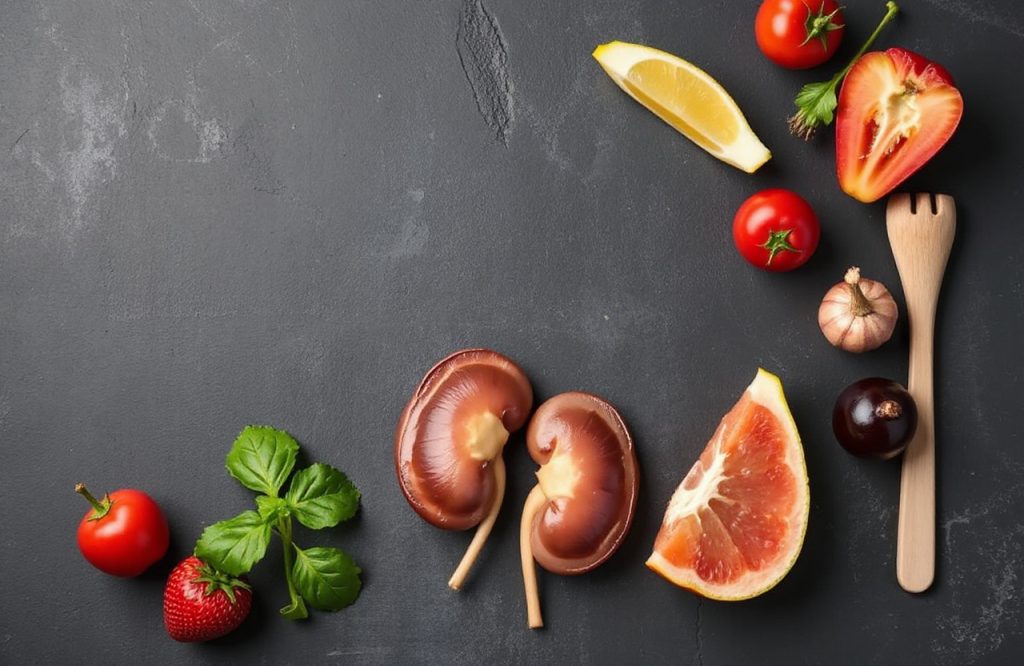
Study Investigates Food Groups and Kidney Function
Introduction to Chronic Kidney Disease
A recent study explores the potential connection between whole grains, fruits, and vegetables, and kidney function. Chronic Kidney Disease (CKD) remains a significant global health issue, often linked to high blood pressure and diabetes. CKD can lead to cardiovascular diseases and, ultimately, death. Previous research indicates that a diet rich in whole grains, fruits, and vegetables may reduce diabetes risk, highlighting the importance of these foods in kidney health.
Current Understanding of Dietary Impact on Kidney Health
Recent findings suggest that lower risks of renal failure are associated with coffee consumption and diets high in beta-carotene while being low in sodium, cholesterol, and animal protein. However, previous research has yielded mixed results regarding the impact of these dietary groups on kidney function.
Study Overview
Researchers in the Netherlands conducted a longitudinal study to examine the relationship between food intake and kidney function, with results recently published in the British Journal of Nutrition. This five-year study involved 3,787 mostly healthy Dutch adults and tracked changes in kidney function alongside their consumption of whole grains, fruits, and vegetables. The study included a 15-year follow-up, where participants reported their dietary habits through questionnaires.
Methodology
Kidney function was assessed using two primary measures: the albumin:creatinine ratio (ACR) and estimated glomerular filtration rate (eGFR). ACR was determined at the study’s conclusion through urine samples, indicating whether protein (albumin) was present in the urine, which suggests renal impairment. Throughout the study, eGFR was monitored to detect changes in kidney function over time, as a reduced filtration rate indicates possible kidney damage.
Participants also reported on various factors such as physical activity, blood pressure, alcohol intake, coffee consumption, body mass index (BMI), education level, vitamin supplementation, and intake of antioxidant-rich foods.
Study Findings
The study’s results indicated no significant associations between the intake of whole grains, fruits, and vegetables and ACR or eGFR. While there was a slightly decreased chance of a declining eGFR rate with higher whole grain consumption, the results were not statistically significant enough to draw firm conclusions.
Despite the association of these food groups with improved outcomes for individuals with diabetes, the study suggests that they may not confer the same benefits for those with chronic kidney disease.
Limitations and Future Research
Further research is necessary before reaching any solid conclusions. Notably, many participants who dropped out were older and less healthy, which may skew the results toward younger and healthier individuals who are less likely to develop CKD. Additionally, key variables, such as salt intake, were not measured, potentially impacting kidney health.
Moreover, dietary habits can change significantly over time, making it challenging to maintain consistent food intake throughout the five-year period.
Conclusion
In conclusion, this study did not find significant benefits related to kidney function improvement through the consumption of whole grains, fruits, or vegetables. Future investigations should explore the impacts of different food groups, such as meat versus non-meat proteins or dairy, to better understand their roles in renal health.
References
Herber-Gast, G., Boersma, M., Verschuren, W., Stehouwer, C., Gansevoort, R., Bakker, S., & Spijkerman, A. (2017). Consumption of whole grains, fruit and vegetables is not associated with indices of renal function in the population-based longitudinal Doetinchem study. British Journal Of Nutrition, 118(05), 375-382. http://dx.doi.org/10.1017/s0007114517001726