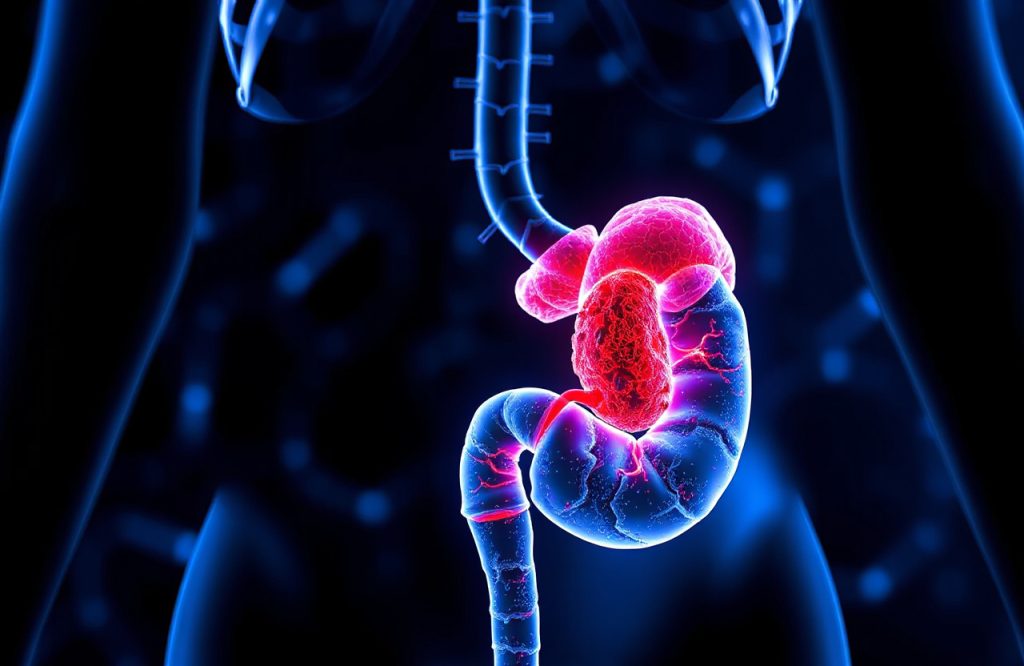
The Role of Gut Microbiome in Health and Disease
Understanding the Microbiome
All mammals, including humans, host a diverse community of microorganisms in their gut. For humans, this community comprises an estimated 30 trillion bacteria, collectively referred to as the microbiome. These microorganisms play a vital role in nutrient absorption and serve as a defense mechanism against invading pathogens.
Microbiome’s Influence Beyond Gut Health
Historically, the significance of the microbiome was acknowledged primarily in relation to gastrointestinal health. Recent groundbreaking research has revealed that these microorganisms also exert influence over immune cells within the body. This suggests that the microbiome may substantially affect how patients respond to cancer immunotherapy.
Microbiome and Cancer Immunotherapy
Resistance to Cancer Immunotherapy
The field of oncology has undergone a transformation with the advent of immunotherapeutic strategies, particularly immune checkpoint inhibitors. These drugs harness the body’s immune system to target and destroy cancer cells. Ideally, the immune system is designed to attack cancerous cells; however, certain tumors can evade this response by overexpressing antigens like PD-L1, which deactivate T cells and facilitate tumor growth.
Pembrolizumab, an antibody, disrupts this interaction, reactivating T cells to combat tumor cells. Despite this advancement, many patients do not respond to these therapies, prompting investigations into the underlying causes of this resistance.
Evidence Supporting the Microbiome’s Role
Emerging evidence suggests that an individual’s gut microbiome could be a contributing factor to resistance against cancer immunotherapy. Studies analyzing stool samples from patients undergoing immunotherapy have found significant differences in the microbial composition between responders and non-responders. Increased diversity and abundance of gut microflora have been correlated with improved survival rates following treatment.
Fecal transplantation studies further substantiate this theory. In experiments where stool samples from both responders and non-responders were transplanted into mice with cancer, those receiving transplants from non-responders exhibited diminished responses to immunotherapy compared to those receiving samples from responders. This indicates that the gut microbiome plays a critical role in determining the efficacy of cancer treatments.
Research has identified specific microbial species, such as Bacteroides in melanoma patients treated with ipilimumab and Verrucomicrobiaceae in lung cancer patients treated with PD-1 inhibitors, underscoring the microbiome’s influence on treatment outcomes.
Mechanisms of Microbiome Interaction with the Immune System
Impact on Immune Response
The gut microbiome interacts with the immune system in various ways, influencing both local and systemic immune responses. Gut microorganisms can secrete anti-inflammatory and pro-inflammatory cytokines and other metabolites that modulate immune cell activity post-treatment.
Additionally, cancer therapies can alter the intestinal lining’s composition, disrupting the normal gut flora and the balance of microbial cytokines essential for immune homeostasis. The use of antibiotics can further affect the gut microbiome, which may have implications for responses to cancer immunotherapy.
Microbial Influence on T Cell Dynamics
The antigens and lipids present on the surface of gut bacteria can interact with T cell receptors, affecting baseline T cell profiles among individuals. This interaction can alter circulating T cell profiles following immunotherapy. Gut microorganisms also play a crucial role in host metabolism, with metabolites like short-chain fatty acids influencing dendritic cells and regulatory T cells, both of which are frequently targeted by immunotherapeutic strategies.
Microbial species such as Clostridiales, Ruminococcaceae, Faecalibacterium spp., Akkermansia muciniphila, B. fragilis, and Bifidobacteria have been implicated in mediating responses to cancer immunotherapy. Research is ongoing to explore the potential of fecal transplantation from one patient to another to enhance immunotherapy outcomes. However, the associated health risks, including the potential for dysplasia and polyp formation, require careful consideration.
Conclusion
Continued research into the interplay between the gut microbiome and cancer immunotherapy is essential for developing effective treatment strategies. Understanding these interactions could lead to innovative approaches that harness the microbiome to improve patient outcomes in cancer treatment.
Reference: The microbiome in cancer immunotherapy: Diagnostic tools and therapeutic strategies. Zitvogel et al., Science 359, 1366–1370 (2018).