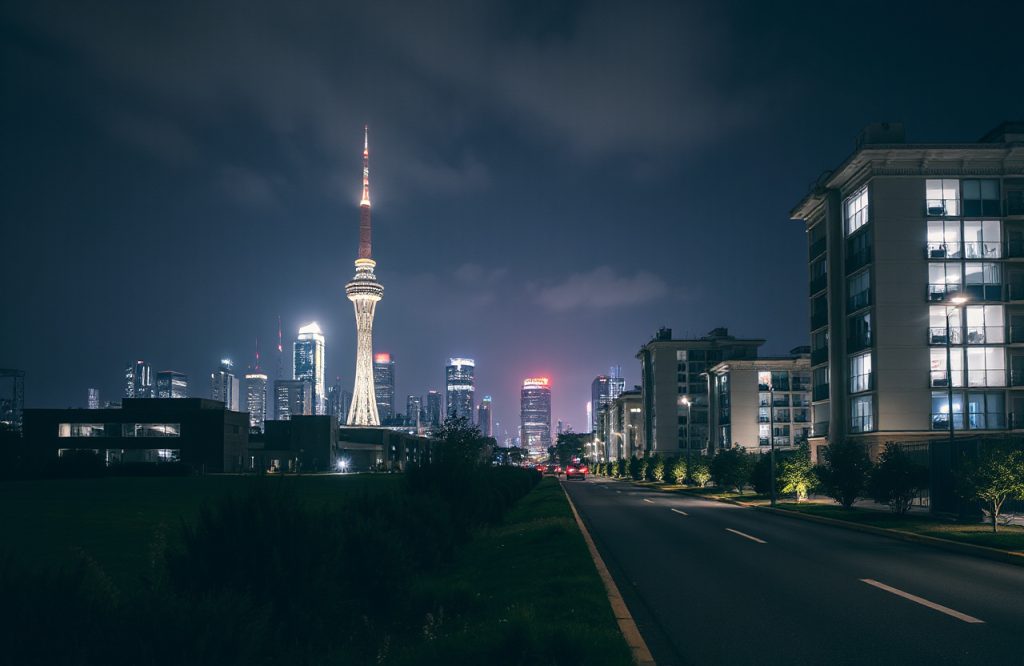
Study Examines the Impact of Artificial Nighttime Light on Sleep Medication Use
The Growing Concern of Light Pollution
Light pollution is an increasing issue as modern civilizations continue to utilize artificial nighttime lighting. Recent scientific scrutiny has focused on the potential health risks associated with this excessive use of artificial light. Research indicates that such lighting can disrupt sleep cycles, potentially leading to various health issues, including cancer, depression, and diabetes.
Research Highlights
Several studies have emphasized the importance of light exposure in influencing sleep patterns in both humans and animals. A recent study conducted in the United States has established a connection between outdoor nighttime lighting and changes in sleep behavior. Meanwhile, a team from South Korea investigated the link between residential outdoor artificial nighttime light and the prescribing of sleeping pills, providing a more direct measure of insomnia. Their findings were published in the Journal of Clinical Sleep Medicine.
Findings on Artificial Nighttime Light and Sleeping Pill Prescriptions
Study Methodology
The South Korean study analyzed health data from a randomly selected sample of individuals aged 60 and older, sourced from the national social health insurance program. Out of this sample, 52,027 older adults met the eligibility criteria, with data collected over a span of 12 years. Approximately 23% of these individuals reported using hypnotic medications, commonly known as sleeping pills. This demographic was predominantly older females, those in the highest income brackets, or residents of metropolitan areas.
Correlation Between Light Exposure and Medication Use
Researchers utilized satellite data to measure and quantify outdoor artificial nighttime light across various residential areas in the country. The analysis revealed a clear correlation: individuals living in regions with higher exposure to nighttime lighting were prescribed more sleeping pills. This correlation remained significant even after adjusting for various factors, including the type of residential area. Additionally, older adults in areas with increased artificial light exposure were more likely to receive higher doses of sleeping pills or use them for extended periods.
Implications of Light Pollution on Sleep Health
Supporting Evidence for Sleep Issues
The data from this study strongly suggests that light pollution contributes to sleep disturbances and insomnia among older adults. By leveraging national health data and satellite imagery over a 12-year timeframe, the researchers confirmed the relationship between nighttime light pollution and sleeping pill prescriptions in this age group. These findings align with global research increasingly linking light exposure to negative sleep outcomes.
Future Directions
Further exploration into the adverse effects of artificial nighttime light may provide valuable insights that could inform policies aimed at reducing light pollution. Such measures could ultimately enhance sleep quality and overall health for affected populations.
Reference
Min JY, Min KB. Outdoor Artificial Nighttime Light and Use of Hypnotic Medications in Older Adults: A Population-Based Cohort Study. Journal of Clinical Sleep Medicine. 2018 Nov 15;14(11):1903-10.