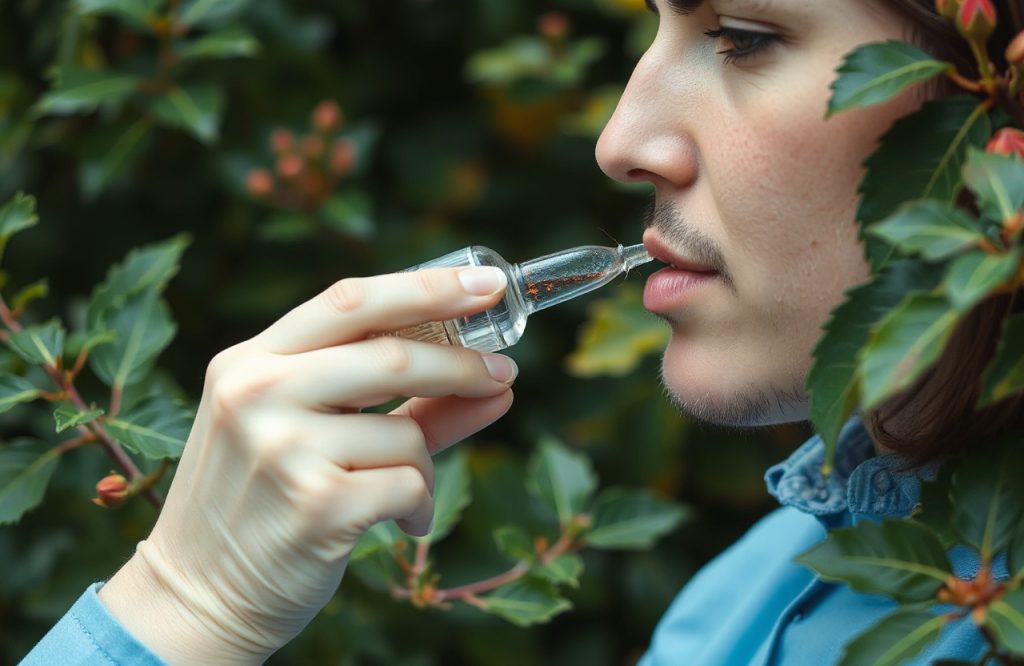
Impact of Pesticide Exposure on Farmers’ Sense of Smell
Study Overview
Recent research has investigated the effects of pesticide exposure on farmers’ olfactory senses. The findings were published in the journal Environmental Health Perspectives. Since 1990, global pesticide usage has nearly doubled, rising from 2.29 tons to 4.09 tons. The Americas represent the second highest pesticide consumers, accounting for 29.4% of the total usage. Although pesticides are essential in contemporary agriculture, exposure remains a significant concern for both agricultural workers and consumers.
Research Methodology
Researchers from Michigan State University conducted a thorough review of data from the United States Agricultural Health Study (AHS) to assess the impact of pesticide exposure on farmers’ sense of smell. The study involved questionnaires completed by 11,232 farmers in North Carolina and Iowa, initially administered between 1993 and 1997. These questionnaires inquired about pesticide usage, including any history of high pesticide exposure events (HPEEs). Follow-up questionnaires were conducted every five to six years, providing a comprehensive dataset spanning 20 years.
Defining High Pesticide Exposure Events
Farmers were classified as having experienced a high pesticide exposure event if they had significant pesticide contact with their skin or if they inhaled or ingested pesticide. Participants also reported the duration between the HPEE and the washing of their skin and clothing. Subsequent follow-up questionnaires collected additional details on HPEEs and the removal of pesticide residue, while the third follow-up specifically inquired about any loss of smell. Farmers who reported olfactory loss provided information on its duration and any accompanying symptoms.
Findings and Implications
The study revealed that farmers with a history of pesticide exposure had a 49% increased likelihood of experiencing olfactory impairment. Among those who reported HPEEs, 10.6% experienced a loss of smell. Furthermore, the likelihood of olfactory loss increased with the length of time between pesticide exposure and washing.
Limitations of the Study
Despite the significant findings, the study faced limitations due to its reliance on self-reported data, which may lead to potential misclassification of olfactory loss and inaccuracies regarding the timing of symptom onset and the definition of high pesticide exposure events. Additionally, olfactory impairment questions were only included in the third questionnaire, participants were exposed to various pesticides, and only 61% of participants completed the latest questionnaire.
Conclusion and Recommendations
Pesticide exposure poses substantial risks, especially for farmers who face frequent exposure. The results of this study highlight the necessity of taking precautions when handling pesticides and emphasize the importance of promptly washing with soap and water if spills occur on skin or clothing.
References
Shrestha S, Kamel F, Umbach D et al. High Pesticide Exposure Events and Olfactory Impairment among U.S. Farmers. Environ Health Perspect. 2019;127(1):017005. doi:10.1289/ehp3713
Group E. EWG’s 2019 Shopper’s Guide to Pesticides in Produce™. Ewg.org. https://www.ewg.org/foodnews/summary.php. Published 2019. Accessed March 30, 2019.
Fao.org. http://www.fao.org/faostat/en/#data/RP/visualize. Published 2019. Accessed March 30, 2019.