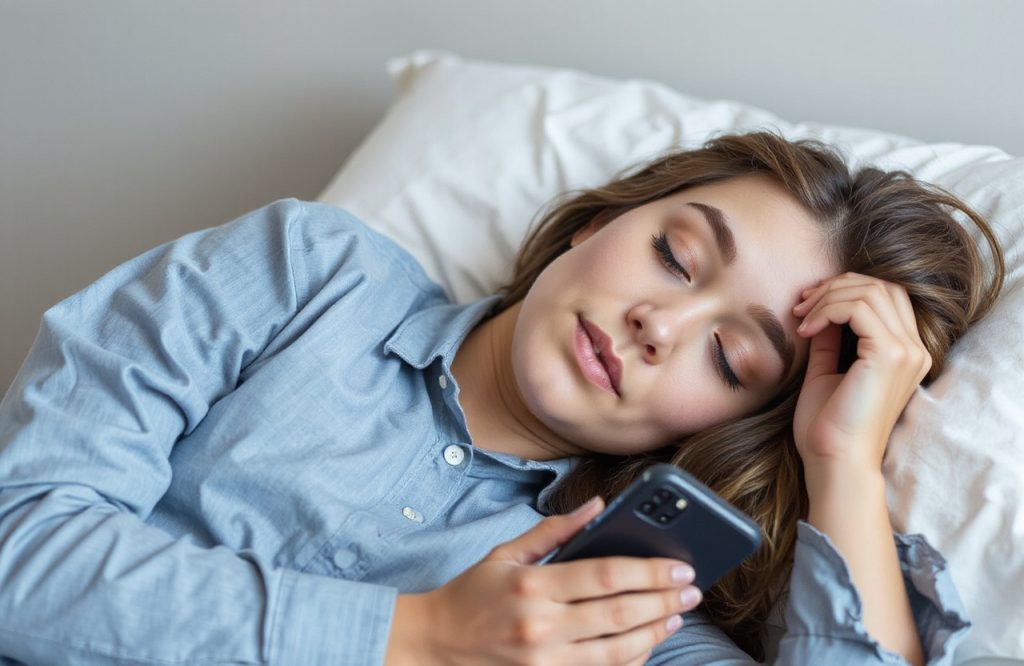
Impact of Social Media on Sleep Among Young Adults
Study Overview
A recent study published in the journal Preventive Medicine has unveiled negative effects of social media usage on sleep quality in young individuals. Social media has become an integral part of daily life, particularly among younger demographics. However, the relationship between sleep disturbances and social media engagement has not been extensively researched, prompting a team from the University of Pittsburgh to investigate this connection.
Research Methodology
In 2014, researchers analyzed data from 1,788 young adults in the United States, aged 19 to 32. Participants completed an online questionnaire detailing their daily social media usage. The researchers also collected information about the participants’ sleep patterns.
Key Findings
The study revealed that nearly 60% of participants reported experiencing moderate to high levels of sleep disturbances. The findings indicated that those who utilized social media for longer periods or with greater frequency were more likely to suffer from adverse sleep effects.
Expert Insights
Lead author Jessica Levenson commented, “This is one of the first pieces of evidence that social media use really can impact your sleep.” She further noted, “It uniquely examines the association between social media use and sleep among young adults who are, arguably, the first generation to grow up with social media.”
Reference Information
The study, titled “The association between social media use and sleep disturbance among young adults,” was authored by Levenson, JC, Shensa, A, Sidani, JE, Colditz, JB, and Primack, BA, and published in Preventive Medicine, Volume 85, April 2016, Pages 36–41. For more details, refer to the University of Pittsburgh news release: Social Media Use in Young Adults Linked to Sleep Disturbances [here](http://www.upmc.com/media/NewsReleases/2016/Pages/levenson-primack-smsleep.aspx).