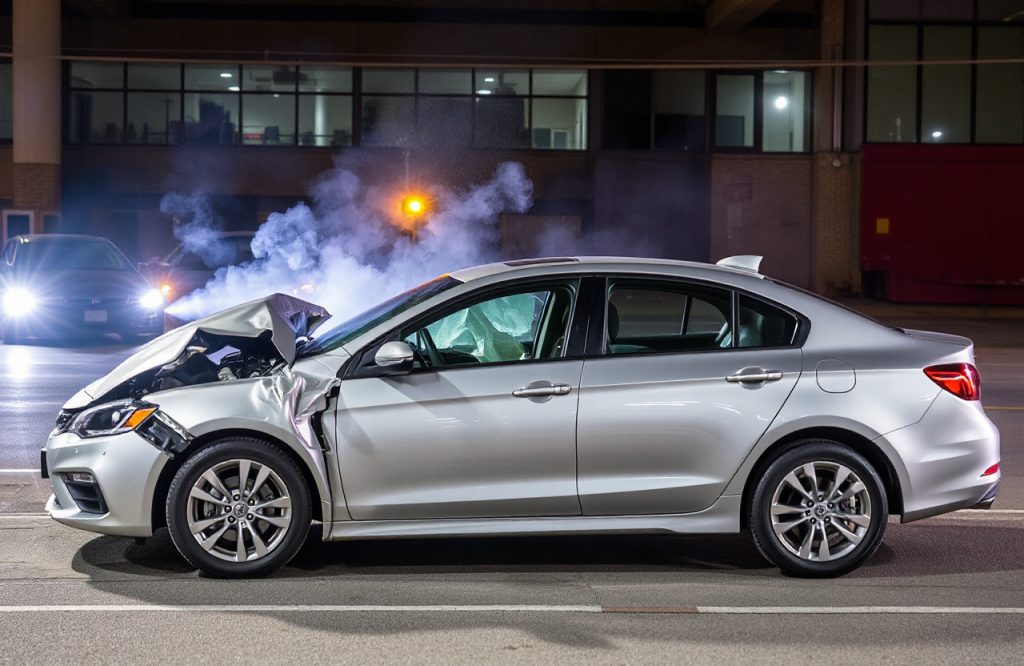
Car Crash Fatalities: A Global Concern
Car crash fatalities continue to be a major issue worldwide, with thousands of lives lost annually despite improvements in automotive technology. Recent advancements in vehicle safety features, including autonomous emergency braking and lane departure warnings, seek to mitigate these numbers by targeting common accident causes such as human error and inattentiveness. Data from 2023 indicates that the implementation of advanced safety technologies in newer vehicles has led to a noticeable reduction in crashes, underscoring their potential to save lives. As the automotive sector progresses, it is vital to comprehend how these safety features function in preventing fatalities to foster safer roads.
The Evolution of Automotive Safety Technology
Automotive safety has significantly advanced from the days of basic features like seatbelts and airbags. The mid-20th century saw the mandatory inclusion of seatbelts in vehicles, marking a pivotal moment in improving accident survivability. Airbags later emerged, providing essential protection during collisions, and laid the groundwork for more sophisticated, technology-driven solutions.
In recent years, the focus has shifted towards prevention rather than mere protection. Technologies such as anti-lock braking systems (ABS) and traction control have become standard in many vehicles, enabling drivers to maintain control under difficult driving conditions. Today, the advent of sensors, cameras, and software has led to features like automatic braking, lane-keeping assist, and driver monitoring systems. These innovations aim to reduce the risk of accidents by proactively preventing collisions before they happen. By merging mechanical reliability with advanced software, contemporary safety technology has evolved into a formidable tool for lowering car crash fatalities.
Key Safety Features and Their Impact
Modern vehicles are equipped with advanced safety features designed to avert accidents and protect occupants. Notable technologies include:
Autonomous Emergency Braking (AEB)
This feature automatically applies the brakes when it detects a potential collision, thereby reducing crash severity or preventing accidents entirely.
Lane Departure Warning and Lane Keeping Assist
These systems alert drivers when they unintentionally drift out of their lane and gently steer the vehicle back into position.
Adaptive Cruise Control
This technology maintains a safe following distance from other vehicles by adjusting the car’s speed according to traffic conditions.
Blind-Spot Monitoring
This feature uses sensors to identify vehicles in a driver’s blind spots, providing alerts to avoid unsafe lane changes.
These features have demonstrated measurable success in decreasing accidents. For instance, studies suggest that AEB can reduce rear-end collisions by up to 50%. By tackling prevalent driving errors and distractions, these technologies enhance road safety and save lives.
How Technology Prevents Fatalities
Vehicle safety technologies play a crucial role in reducing human error, a primary factor in accidents. Utilizing sensors, cameras, and radar systems, cars can gather real-time data to identify potential hazards and react more swiftly than human drivers. For example, autonomous emergency braking (AEB) can halt a vehicle in mere milliseconds upon detecting an imminent collision, significantly decreasing the chances of severe injuries or fatalities. Additionally, automation assists in high-risk scenarios, such as nighttime driving or adverse weather conditions. Adaptive headlights improve visibility, while lane-keeping assist helps drivers stay within their lanes, even during moments of distraction. Such technologies greatly enhance reaction times and decision-making, which are vital in preventing crashes.
Challenges in the Adoption of Safety Technologies
Despite the life-saving potential of advanced safety features, several challenges impede their widespread adoption.
High Costs
Many advanced safety technologies are often found in premium vehicle models, limiting accessibility for budget-conscious drivers.
Driver Awareness
Numerous drivers lack knowledge on effectively utilizing these features. Misunderstanding or over-reliance on technologies like adaptive cruise control or AEB can result in misuse or complacency while driving.
Infrastructure Limitations
Older road infrastructure, including poorly marked lanes or outdated traffic signals, can diminish the effectiveness of lane departure warnings and adaptive systems.
Integration with Older Vehicles
Retrofitting safety technologies into older vehicles can be expensive and impractical, leaving many cars on the road without these life-saving innovations.
Addressing these challenges necessitates collaboration among automakers, policymakers, and consumers. Enhancing affordability, increasing public education, and updating infrastructure are essential for maximizing the reach and effectiveness of vehicle safety technologies.
The Future of Safety Technology in Cars
The future of automotive safety is poised to benefit from the integration of advanced artificial intelligence (AI) and fully autonomous driving systems. AI-powered features, such as predictive crash algorithms, will empower vehicles to analyze driving conditions and make rapid decisions to prevent collisions. These systems are anticipated to further reduce human error, accounting for nearly 90% of accidents.
Once widely adopted, fully autonomous vehicles could transform road safety by eliminating risky behaviors like speeding, distracted driving, and impaired driving. Emerging technologies, such as vehicle-to-vehicle (V2V) communication, will enable cars to share real-time data, enhancing traffic coordination and preventing multi-car accidents. Automakers are also investigating biometric monitoring technologies to identify driver fatigue or impairment, ensuring safer driving conditions. As safety innovations progress, collaboration with regulators and technology firms will be crucial in establishing standards and ensuring these advancements are both reliable and accessible.
Conclusion
Technology holds the potential to revolutionize road safety by addressing the underlying causes of car crashes. Advanced safety features, such as autonomous emergency braking, lane-keeping assist, and adaptive cruise control, are already making a difference by decreasing accidents linked to human error. As these innovations become more affordable and widely adopted, they promise to enhance road safety for all.
However, challenges like high costs, infrastructure barriers, and the necessity for public education need to be addressed to maximize their effectiveness. With ongoing advancements, including AI integration and the emergence of fully autonomous vehicles, the future of road safety appears promising. Embracing and investing in these technologies is a vital step toward significantly reducing car crash fatalities.
Image by lols gomes from Pexels
The editorial staff of Medical News Bulletin had no role in the preparation of this post. The views and opinions expressed in this post are those of the advertiser and do not reflect those of Medical News Bulletin. Medical News Bulletin does not accept liability for any loss or damages caused by the use of any products or services, nor do we endorse any products, services, or links in our Sponsored Articles.