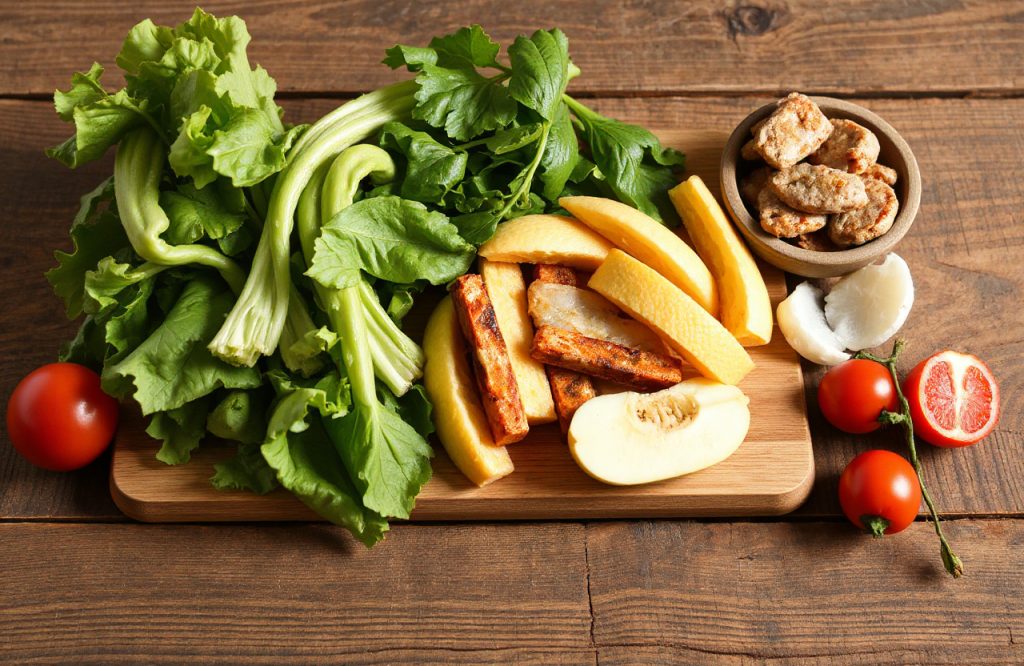
Nutritional Quality and Healthy Aging
The Impact of Diet on Aging
Nutritional quality plays a crucial role in maintaining a healthy life. A recent study published in the Journal of Nutrition explored the relationship between inflammatory diets and the process of healthy aging. It highlighted that unhealthy dietary patterns extend beyond weight gain, leading to deficiencies in essential vitamins, proteins, minerals, and healthy fats. Such diets typically consist of high levels of saturated fats, sugars, cholesterol, and sodium, which are linked to chronic medical conditions and can disrupt the aging process.
Chronic Inflammation and Aging
For the middle-aged population, aging becomes biologically evident as cellular division declines, mitochondrial dysfunction occurs, and chromosome integrity diminishes. Chronic inflammation is believed to contribute to these biological changes associated with aging. Given that most chronic conditions originate from inflammatory responses, researchers from the United Kingdom aimed to investigate the effects of chronic inflammation on healthy aging among middle-aged French participants, with their findings published in the Journal of Nutrition.
Study Methodology
To assess inflammation biomarkers, the study utilized the Dietary Inflammation Index, which estimated the inflammatory potential of participants’ overall diets. The researchers sought to examine the connection between this inflammatory index and healthy aging—defined as a low risk of disease accompanied by robust physical and cognitive function.
The study involved 2,796 participants aged between 45 and 60, all of whom were initially diabetic, had cardiovascular disease, and were cancer-free. Participants received either a placebo or a nutritional antioxidant supplement for one year, consisting of 120 mg of vitamin C, 6 mg of β-carotene, 30 mg of vitamin E, 100 μg of selenium, and 20 mg of zinc. The hypothesis was that these supplements could facilitate a healthier aging process. However, high scores on the Dietary Inflammation Index indicated a more pro-inflammatory diet among participants.
Assessment of Healthy Aging
Throughout the assessment, researchers collected Dietary Inflammation Index scores to identify participants experiencing healthy aging. Key indicators included the absence of major chronic diseases, good physical and cognitive functioning, independence in daily activities, positive social health, absence of depressive symptoms, lack of pain limiting function, and positive self-perceived health.
Findings and Conclusion
The data suggested that a pro-inflammatory diet might decrease the likelihood of healthy aging. This research indicates a significant link between maintaining overall health during the aging process and consuming quality dietary patterns rich in fiber and micronutrients. The Dietary Inflammation Index proves useful in predicting pro- or anti-inflammatory conditions, which may inform future health profiles for middle-aged adults.
Author Information
Written by Viola Lanier, PhD, MSc
Reference
Karen E Assmann, Moufidath Adjibade, Nitin Shivappa, James R Hébert, Michael D Wirth, Mathilde Touvier, Tasnime Akbaraly, Serge Hercberg, Pilar Galan, Chantal Julia, and Emmanuelle Kesse-Guyot. “The Inflammatory Potential of the Diet at Midlife Is Associated with Later Healthy Aging in French Adults.” The Journal of Nutrition, March 12, 2018.