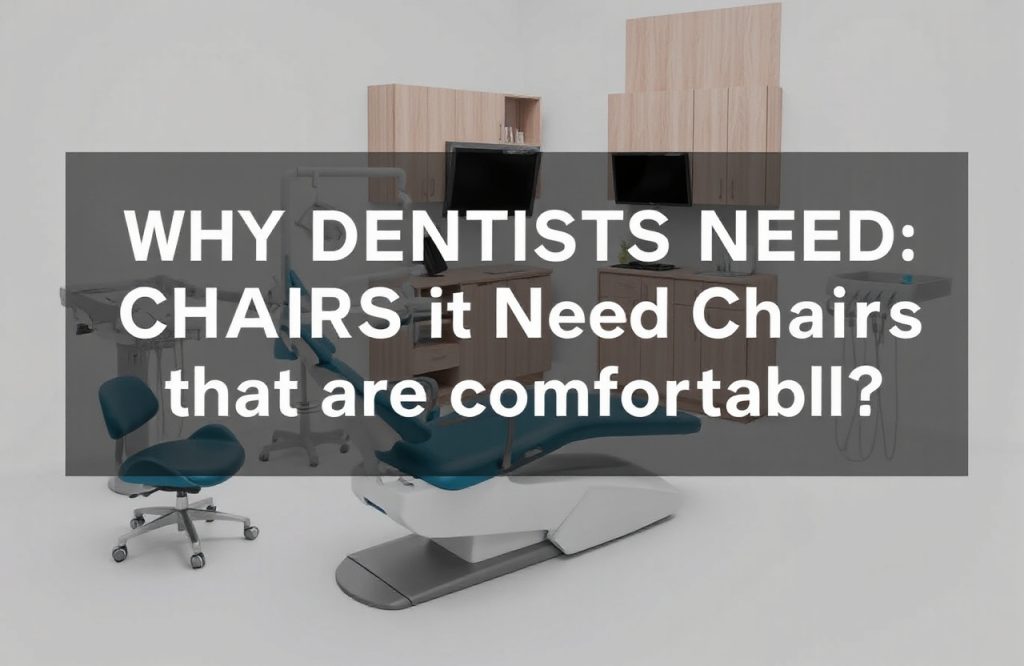
Understanding Musculoskeletal Disorders in Dental Professionals
The Impact of Long Hours and Repetitive Actions
Dental professionals are at a higher risk of developing musculoskeletal disorders (MSDs) due to prolonged periods of sitting and repetitive tasks. Poor posture can lead to chronic pain in the back, neck, and shoulders, adversely affecting both work performance and career longevity.
The Role of Ergonomic Dental Stools
Benefits of Ergonomic Design
Traditional dental stools often contribute to discomfort. Ergonomic dental stools address these issues by:
– Aligning the spine correctly to alleviate stress.
– Enhancing stability and precision during procedures.
– Promoting longer, more comfortable work sessions by minimizing fatigue.
To maintain health and productivity, dentists should prioritize the use of ergonomic stools over conventional options.
Key Features of Ergonomic Dental Stools
Adjustable Height
A height-adjustable stool is essential for allowing dentists to attain optimal positioning relative to patients and tools. Most stools should have a height range of 18 to 24 inches to accommodate various users.
Lower Back Support
Proper lower back support is crucial to prevent slouching. High-quality ergonomic stools feature backrests designed to conform to the natural curvature of the spine, often with memory foam padding for added comfort.
Seat Mobility and Tilt
Seats that tilt forward help maintain a neutral spine position, while a rotating base allows for easy movement without excessive twisting. Many models also include wheels for enhanced mobility.
Material and Padding
Breathable mesh upholstery promotes airflow, keeping users cool, while high-density foam offers long-lasting comfort. Leather options are durable but may require additional maintenance.
Types of Ergonomic Dental Stools
Different Designs and Their Benefits
– **Saddle Chair**: Ideal for long procedures, encourages a wider hip angle and improves posture.
– **Three-Legged Stool**: Lightweight and stable, easy to maneuver.
– **Four-Legged Stool**: Provides solid support for doctors requiring a robust seat.
– **Kneeling Chair**: Distributes weight evenly, reducing stress on the back.
Choosing the Right Stool
Factors to Consider
When selecting an ergonomic dental stool, consider the following:
– Daily tasks: Different procedures may require varying levels of support.
– Adjustability: Ensure height, backrest position, and seat tilt can be modified.
– Durability: Confirm that the stool is sturdy and can accommodate significant weight.
– Maintenance: Choose materials that are easy to clean for hygiene purposes.
Commonly Asked Questions
How often should I replace my dental stool?
Most ergonomic stools last between 5 to 7 years, but replacement may be necessary sooner if the padding degrades.
Are saddle stools better than traditional ones?
Saddle stools can promote better posture, although it may take time for newcomers to adapt.
Can a good stool alleviate back pain?
Yes, proper ergonomic support can significantly reduce stress on the neck, shoulders, and back.
What is the ideal seat tilt?
A forward tilt of 5 to 15 degrees maintains the spine’s neutral position.
Conclusion
Transitioning from standard dental chairs to ergonomic models is a wise investment for dentists. An appropriate stool enhances comfort, supports proper posture, and reduces the risk of long-term musculoskeletal issues. By prioritizing adjustability, lumbar support, and mobility, dentists can work more efficiently and safely. Ergonomic solutions, such as saddle stools, three-legged designs, or kneeling models, contribute to a more effective and healthier dental practice.
Images by Daniel Frank from Pexels
The editorial staff of Medical News Bulletin had no role in the preparation of this post. The views and opinions expressed in this post are those of the advertiser and do not reflect those of Medical News Bulletin. Medical News Bulletin does not accept liability for any loss or damages caused by the use of any products or services, nor do we endorse any products, services, or links in our Sponsored Articles.