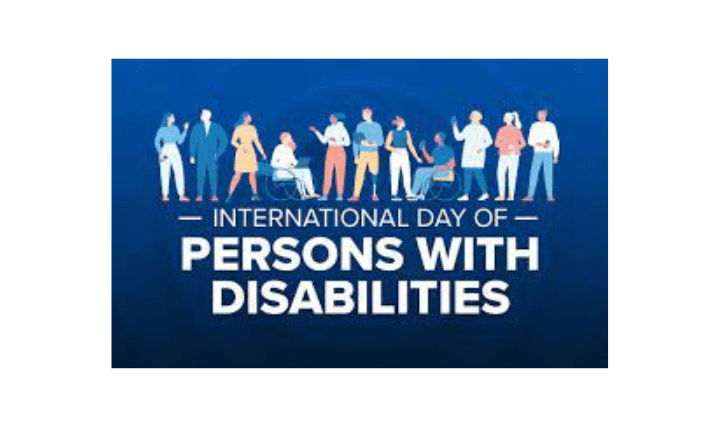
Each year, the International Day of Persons with Disabilities serves as a vital reminder of the importance of inclusivity and equal rights for all individuals. This day is particularly relevant in the healthcare sector, where the emphasis is placed on ensuring accessible and tailored services for those with disabilities.
The United Nations’ Sustainable Development Goal 3 aims to provide ‘Good health and well-being for all’ and seeks to achieve universal health coverage for individuals with disabilities. This initiative is essential for addressing inequalities and enhancing the rights, health, and economic participation of these individuals.
In India, the 2011 census revealed that 2.21% of the population identified as having disabilities, a figure that has likely increased over the past decade. While India has made strides in integrating people with disabilities into its health initiatives—such as the Ayushman Bharat Yojana, ADIP, and Nirmaya Health Insurance—significant challenges persist. Disparities in healthcare access between urban and rural areas complicate the landscape, as individuals with disabilities face unique barriers in both settings. Customized strategies are necessary to improve their living conditions and ensure their inclusion.
At its essence, disability inclusion is about providing equal access and opportunities across all facets of life. This includes making public spaces accessible, implementing assistive technologies in workplaces, and developing inclusive health policies. Embracing diversity strengthens our communities by allowing everyone, regardless of ability, to participate fully.
Healthcare plays a pivotal role in this movement. Facilities designed with accessibility in mind, specialized support services, and tailored care are crucial. Healthcare professionals often advocate for disability rights and push for reforms that enhance care and support for individuals with disabilities.
Assistive technology has transformed the lives of many, providing tools that enhance independence and participation. From mobility aids to communication devices, these technologies empower individuals and demonstrate the health sector’s commitment to inclusion.
Raising awareness and advocating for disability rights are vital for breaking down barriers and combating discrimination. The International Day of Persons with Disabilities offers an excellent opportunity for public education, challenging stereotypes, and highlighting the contributions of individuals with disabilities. It’s a day to reaffirm our commitment to diversity, inclusion, and the pursuit of an accessible and equitable world.
The United Nations Convention on the Rights of Persons with Disabilities (CRPD) marks a significant shift in how the world perceives and treats individuals with disabilities. Adopted in 2006, this treaty has transformed societal attitudes and policies, framing disability within a human rights context rather than a medical or charity issue. The CRPD asserts that people with disabilities are rights holders who should actively participate in society.
One of the CRPD’s key contributions is its clear articulation of rights specific to individuals with disabilities, including accessibility, health, education, and participation in public life. By outlining these rights, the CRPD provides a framework for governments to enhance their legislation and policies to ensure equality and full inclusion.
The concept of ‘reasonable accommodation’ is essential, referring to necessary modifications that guarantee individuals with disabilities can enjoy their rights and freedoms. This principle has driven innovation in accessible workplace and public service design.
Moreover, the CRPD has prompted the development of disability-inclusive policies, recognizing that people with disabilities are often disproportionately affected by poverty. It advocates for their inclusion in all developmental efforts, ensuring that programs in education, health, and economic opportunities address their needs.
The CRPD also plays a vital role in advocacy, providing a platform for disability rights activists and holding governments accountable for their commitments. Observing the International Day of Persons with Disabilities under the CRPD emphasizes the ongoing efforts needed to realize the convention’s principles.
Employment inclusion is another critical area, as offering equal job opportunities and creating accessible workplaces empowers individuals with disabilities. Employers can play a crucial role by adopting inclusive hiring practices and accommodating their employees.
Looking to the future, the goal is to further develop policies and practices that support disability inclusion. This involves not only enhancing physical accessibility but also fostering a culture that values diversity and embraces inclusion as a core value.
As we celebrate the International Day of Persons with Disabilities, let us commit to being advocates for change. Whether it’s supporting disability rights, promoting accessibility, or understanding the challenges faced by the disabled community, we all have a role in fostering an inclusive society.
In line with the International Day of Persons with Disabilities, UniMediks is dedicated to providing exceptional medical services tailored to the unique needs of every individual. Our commitment to accessibility and comprehensive care ensures that everyone, regardless of their physical capabilities, receives the medical attention they require. Discover more about UniMediks and our efforts to promote a more inclusive healthcare system while serving foreign patients affordably in India.