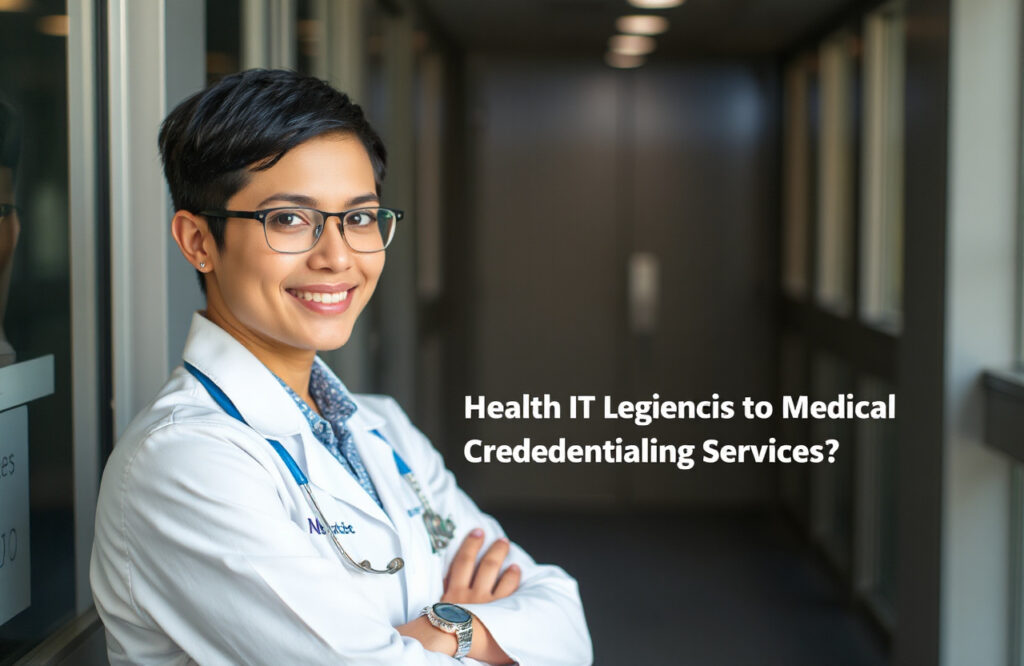
Importance of Medical Credentialing Services
Enhancing Patient Outcomes
Medical credentialing services play a vital role in ensuring positive patient outcomes by connecting individuals with high-standard healthcare facilities in their vicinity. By maintaining rigorous credentialing processes, these services enhance the reputation and value of physicians, leading to increased referrals from reliable sources, including insurance networks.
Assuring Qualifications
Credentialing services guarantee that healthcare providers possess the necessary qualifications and experience to deliver their services effectively.
Understanding Credentialing
Defining the Process
Credentialing is a systematic process that verifies the identity and qualifications of healthcare professionals. This often includes security checks to authenticate credentials and confirming that clinicians have the appropriate licenses and have not faced disciplinary actions in various jurisdictions.
Detailed Analysis Requirements
The credentialing system involves multiple steps and requirements. Credentialing expert companies meticulously examine every detail. One significant entity in this field authorizes over 22,000 medical billing service associations across the United States, incorporating Focused Professional Practice Evaluation (FPPE) and Ongoing Professional Practice Evaluation (OPPE) during physician training.
Ensuring Safe Healthcare Delivery
Regulatory Emphasis
Government regulations and state laws underscore the importance of medical credentialing services, particularly in enhancing patient safety. The healthcare landscape is continuously evolving, with insurance companies increasingly mandating authenticated clinician credentials.
The Clinical Credentialing Process
Who Manages Credentialing?
The clinical credentialing process is typically carried out by the administrative clinical staff of professional credentialing companies or entities specializing in medical billing and coding services. Credentialing Verification Organizations (CVOs) also play a significant role in managing the core aspects of clinical credentialing.
Verification Methods
Verification involves examining information components, peer surveys, and authorization details. Credentialing panels, clinical administration staff, and boards require specific applications and documentation for thorough evaluation.
Why Credentialing Should Be a Priority for Clinicians
Revenue Protection
Credentialing is essential for preventing revenue leakage, ensuring that healthcare providers can maintain financial stability.
Quality Care Assurance
Effective credentialing processes guarantee quality care for patients, fostering trust in healthcare services.
Opportunities for Advancement
Credentialing also opens doors for professional advancement within the medical field.
Preventing Revenue Gaps through Credentialing
Operational Consistency
The senior clinical staff in medical credentialing services ensures adherence to state and federal guidelines during data verification, simplifying the reimbursement process for clinicians. By navigating security checks and maintaining clean claims through outsourced medical billing, timely payments can be achieved.
Liability Mitigation
Failing to verify a doctor’s credentials can lead to serious repercussions, including penalties from the Office of Inspector General. Credentialing helps mitigate potential liabilities for healthcare facilities.
Benefits of Outsourcing Medical Credentialing Services
Efficiency and Expertise
Outsourcing medical credentialing to professionals allows healthcare providers to focus on their core duties without being burdened by paperwork. Credentialing experts streamline the process, minimizing the potential for errors due to time constraints.
Papework Management
The credentialing process can be lengthy and paperwork-intensive. By outsourcing, third-party services handle all verification tasks related to experience, degrees, and other qualifications.
Conclusion
Medical credentialing services offer numerous advantages for both physicians and patients. In an era where quality care is paramount, the credentialing process is essential for ensuring transparency and maintaining high standards in healthcare delivery.