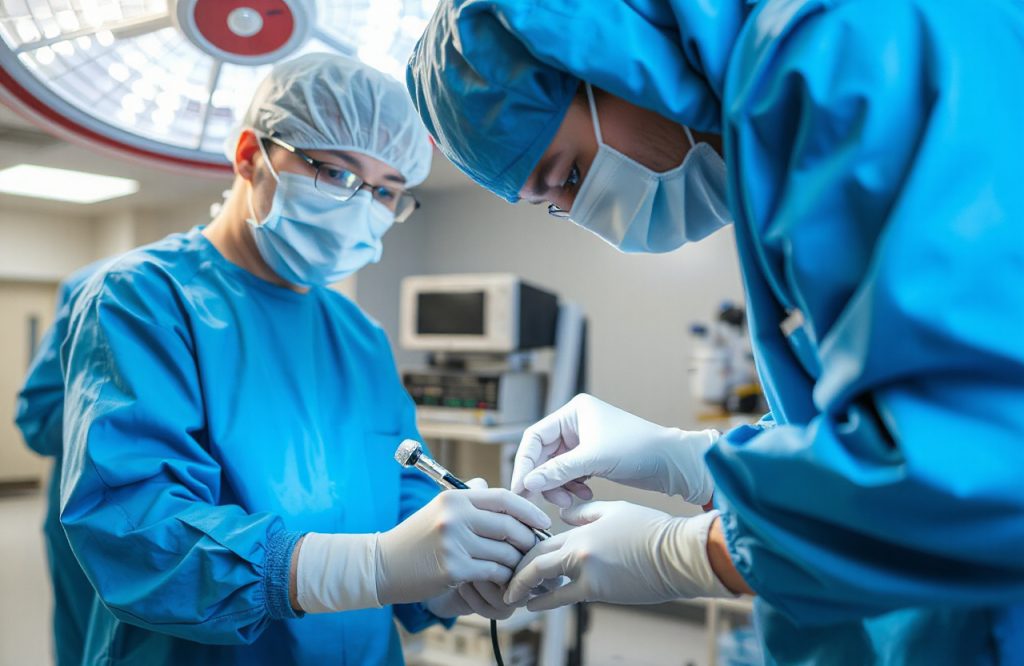
Importance of Technology in Healthcare Facilities
The Role of Technology in Patient Care
Hospitals and clinics heavily rely on technology for various aspects of patient care. From diagnostic tools that assess internal health conditions to monitors that track vital signs, maintaining operational efficiency is crucial. However, due to the fast-paced environment of healthcare, repairs to malfunctioning devices often occur reactively rather than proactively. To enhance patient outcomes, healthcare facilities are beginning to recognize the importance of establishing a preventive maintenance routine.
Consequences of Neglecting Routine Maintenance
The Risks of Inadequate Maintenance
Many may not realize the severe implications of skipping routine maintenance until critical equipment fails, such as heart monitors or CT scan machines providing inaccurate data. A heart monitor failing during a cardiac arrest or a CT scan missing significant lesions can be life-threatening.
Neglecting a proper maintenance schedule not only jeopardizes patient safety but also exposes hospitals to potential liability if negligence leads to adverse patient outcomes. Moreover, addressing minor repairs early can save facilities substantial costs compared to major overhauls later.
Essential Tasks for a Preventive Maintenance Schedule
Key Maintenance Activities
To implement an effective preventive maintenance strategy, repair technicians should conduct regular inspections, recalibrate machines, and adhere to a structured replacement schedule for critical parts. Documenting service history for each piece of equipment is essential for tracking maintenance efforts.
Additionally, having original equipment manufacturer (OEM) components readily available is vital. This includes reordering frequently used parts and ensuring compatibility with existing devices. For instance, maintaining an inventory of Parks medical electronics ensures that devices operate optimally, minimizing uncertainties associated with third-party vendors.
The Impact of Missed Checks on Diagnoses
Consequences of Equipment Malfunction
The functionality of diagnostic tools is essential for accurate patient assessments. Whether utilizing a scope for polyp detection or devices for chronic venous insufficiency, having operational equipment is crucial for timely diagnoses.
If diagnostic devices fail or are non-functional, healthcare professionals may not have the necessary tools to provide accurate evaluations. Issues like a malfunctioning port or a charging cord can lead to significant delays in patient diagnosis. Preventive maintenance can identify and resolve these issues early, enabling more accurate and timely assessments.
The Effect of Downtime on Emergency Response
Ensuring Continuity of Care
In emergencies, the functionality of diagnostic tools is paramount. Emergency departments depend on reliable devices to aid in quick assessments and interventions. Regular maintenance can mitigate the risk of equipment malfunctions, which can slow down patient care and negatively influence outcomes.
By conducting routine checks, facilities can identify potential issues before they escalate during crises. Establishing customized maintenance schedules—daily, monthly, and annually—while coordinating across departments can help minimize disruptions during necessary downtimes.
Meeting Regulatory Compliance Through Preventive Maintenance
Importance of Compliance in Healthcare
Hospitals must adhere to regulatory standards that govern the use of medical equipment. Compliance often requires demonstrating that devices are in optimal condition for patient use. Maintaining proper records of maintenance activities and showcasing the procurement of replacement parts can help meet these standards.
Failure to maintain adequate documentation can jeopardize a facility’s accreditation, limiting their ability to provide care in specific regions. Thus, preventive maintenance plays a vital role in compliance strategies, impacting both operational integrity and patient safety.
Conclusion
While it is essential for healthcare facilities to meet regulatory requirements and manage costs, the primary focus must remain on how maintenance practices influence patient care. Ultimately, effective preventive maintenance is crucial for saving lives and ensuring high-quality healthcare delivery.