Understanding Cardiac Arrest and Its Treatment
Overview of Cardiac Arrest
Cardiac arrest is a sudden and potentially fatal condition characterized by the failure of the heart to pump blood, leading to a loss of circulation. While various risk factors, including diabetes and high blood pressure, can elevate the likelihood of experiencing cardiac arrest, this serious event can occur in individuals of any age and health status.
Statistics on Cardiac Arrest
In the United States, approximately 360,000 people suffer from cardiac arrest outside of hospital settings each year, with a survival rate of only 7.9%. For patients identified as having a high risk of cardiac arrest, implantable defibrillators are often recommended. These devices detect cardiac arrest and deliver an electric shock to restore normal heart rhythm.
Challenges with Implantable Defibrillators
Limitations of Implantable Devices
Despite their effectiveness, not all high-risk patients are suitable candidates for implantable defibrillators. The invasive nature of these devices poses risks, including potential infection. Moreover, patients who may experience recovery over time might not benefit from such a long-term solution.
The Emergence of Wearable Defibrillators
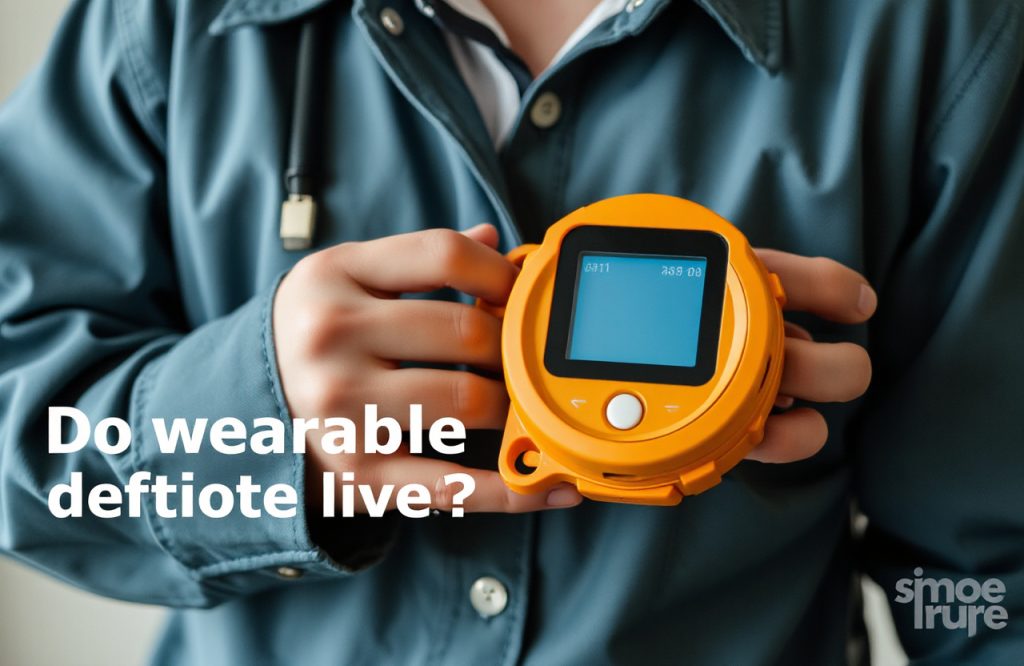
In response to these challenges, researchers have developed wearable defibrillators. These devices provide immediate life-saving interventions similar to implantable defibrillators but are less invasive and offer more flexibility. Wearable defibrillators are designed to be worn externally, allowing for continuous heart monitoring and easy removal.
Research on Pediatric Wearable Defibrillators
Study Overview
While wearable defibrillators are commonly used in adult patients, research on their effectiveness in pediatric populations is limited. A recent study published in the journal *Circulation: Arrhythmia and Electrophysiology* aimed to investigate the efficacy of wearable defibrillators in children aged 18 years or younger.
Study Findings
The researchers conducted a retrospective analysis of 455 patients, with a median age of 15. Among these, 63 patients were in a group that received wearable defibrillators due to issues with their implantable devices (group 1), while the remaining patients received them for other reasons (group 2). The data collected included information on cardiac arrest events.
The study found that eight patients received cardiac resuscitation from their wearable defibrillators, although two incidents were caused by device misfirings. Notably, seven patients died during the study period, but none were wearing their defibrillator at the time of death. This indicates that wearable defibrillators can be highly effective in treating high-risk pediatric patients, as there were no recorded fatalities among those who used the device properly.
Conclusion and Implications
Potential and Challenges of Wearable Defibrillators
The investigation into wearable defibrillators highlights their potential as a viable alternative to implantable devices, especially for high-risk pediatric patients. While the technology may lead to some discomfort, such as itching and skin rashes, the overall findings suggest that these devices are an effective means of preventing fatalities in cardiac arrest situations.
Written by Aaron Kwong, MSc
Related Topics of Interest
- New wearable device tracks UV exposure
- Wearable sensors to detect early signs of anxiety in children are in development
- Smartphones more useful than wearables as remote patient monitoring devices
- Wearable devices can detect COVID-19
- Top Benefits of Wearable Technology in Home-Based Healthcare
- Can wearable devices screen for depression?
- Comparing Wearable Fitness Devices
- Can Wearable Electronics Provide a Real-Time Measurement of Body Activities?
References
- Spar, D. S., Bianco, N. R., Knilans, T. K., Czosek, R. J. & Anderson, J. B. The US Experience of the Wearable Cardioverter-Defibrillator in Pediatric Patients. Circ. Arrhythmia Electrophysiol. 11, e006163 (2018).
- Wong, M. K. Y. et al. Trends in Short- and Long-Term Survival Among Out-of-Hospital Cardiac Arrest Patients Alive at Hospital Arrival. Circulation 130, 1883–1890 (2014).